Cashier’s Checks: A Secure Payment Solution Overview
Complete guide to cashier's checks: security, uses, costs, and how they compare to other payment methods.
What Is a Cashier’s Check?
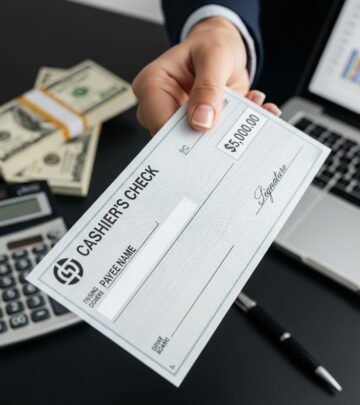
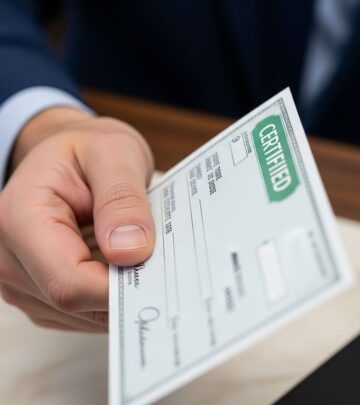
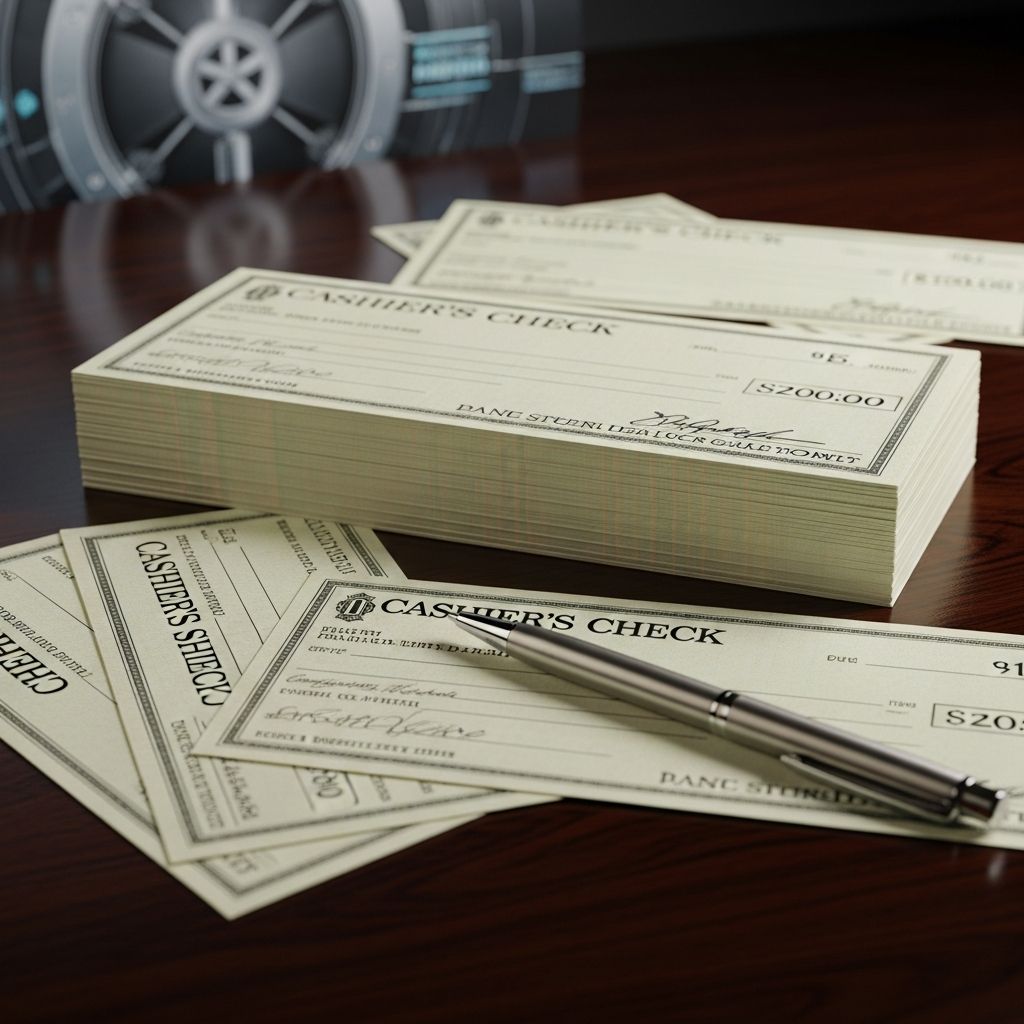
A cashier’s check is a type of check that is issued and guaranteed by a bank or credit union. Unlike a personal check drawn from your individual account, a cashier’s check is drawn from the bank’s own funds, making it one of the most secure payment methods available. When you request a cashier’s check, the financial institution immediately withdraws the specified amount from your account and deposits it into its own account. The check is then issued from the bank’s account and signed by a bank representative, such as a cashier, teller, or bank officer.
The key distinction that makes a cashier’s check special is that it carries the bank’s direct guarantee of payment. Because the funds come from the bank itself rather than your personal account, there is virtually no risk that the check will bounce or that sufficient funds won’t be available when the recipient attempts to cash it. This guarantee is what makes cashier’s checks such a trusted and widely accepted form of payment for significant transactions.
Why Cashier’s Checks Are Highly Secure
Cashier’s checks are considered one of the safest payment methods available for several important reasons. The primary factor contributing to their security is the bank’s involvement and guarantee. When you obtain a cashier’s check, the bank essentially vouches for the transaction, placing its own reputation and funds behind the payment.
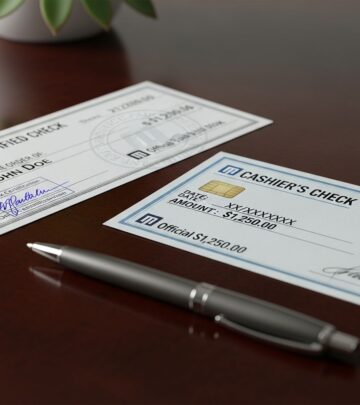
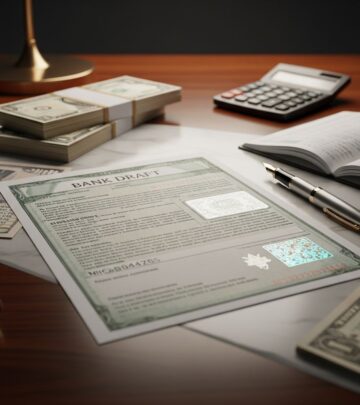
From a security standpoint, cashier’s checks typically include multiple anti-fraud features that make them difficult to counterfeit. These security measures may include watermarks, security threads, specialized inks, and in some cases, signatures from two bank employees to verify authenticity. The combination of these physical security features and the bank’s guarantee makes cashier’s checks an excellent choice when the payee needs assurance that the funds are legitimate and secure.
Additionally, because the check is drawn on the bank’s account rather than the individual’s account, recipients can be confident that the check won’t bounce due to insufficient funds. The payee is not relying on the account holder’s creditworthiness or financial stability; instead, they have the full backing of the financial institution.
Common Uses for Cashier’s Checks
Cashier’s checks are particularly valuable for large transactions and situations where maximum security is required. Several scenarios commonly call for their use:
Real Estate Transactions
One of the most common uses for cashier’s checks is in real estate dealings. When purchasing a home, buyers frequently need to provide cashier’s checks for earnest money deposits, down payments, and closing costs. Real estate professionals and sellers prefer cashier’s checks because they provide immediate assurance that the funds are available and the transaction can proceed smoothly. In competitive housing markets, offering payment via cashier’s check can strengthen your offer and demonstrate serious intent to complete the purchase.
Large Personal Purchases
Cashier’s checks are an ideal payment method for significant purchases such as automobiles, artwork, jewelry, or other high-value items. When buying a vehicle from a private seller or dealership, a cashier’s check provides both parties with confidence and security. Similarly, collectors and art buyers often use cashier’s checks to ensure that large sums are protected during the transaction.
Rental Deposits and Rent Payments
Landlords and property management companies frequently request cashier’s checks when entering into new rental agreements. They may require a cashier’s check to cover the first month’s rent, last month’s rent, and security deposits. This requirement protects landlords by guaranteeing that the funds will be available for payment and reduces the risk of bounced checks or payment disputes.
Online and Remote Purchases
In the digital marketplace, where transactions often occur between parties who have never met, cashier’s checks provide an additional layer of confidence and security. While less common than credit cards for most online purchases, cashier’s checks may be requested for high-value items sold through online platforms or private sales.
Business Transactions
Businesses frequently use cashier’s checks for vendor payments, contract deposits, and other significant financial obligations. The guaranteed nature of cashier’s checks makes them particularly useful when establishing new business relationships or making payments to unfamiliar parties.
How to Obtain a Cashier’s Check
Obtaining a cashier’s check is a straightforward process. You can visit your bank or credit union in person and request one from a teller or customer service representative. You’ll need to provide the exact amount you want the check to be written for and the name of the payee. You must have sufficient funds in your account to cover the check amount, or you can provide cash to the bank teller.
Some financial institutions now offer the ability to order cashier’s checks online through their banking platforms, though this option may have limitations on check amounts or delivery methods. Once you’ve requested the check, the bank will immediately debit your account for the full amount and issue the check from its own account. The entire process typically takes only a few minutes if you’re ordering in person.
Cost of Cashier’s Checks
Most banks and credit unions charge a fee for issuing cashier’s checks, though the cost is typically modest. Fees generally range from $5 to $15 per check, depending on the financial institution. Some banks offer cashier’s checks at no charge for premium account holders or customers who maintain minimum balance requirements. It’s worth checking with your specific bank about their fee structure, as costs can vary significantly between institutions.
Comparing Cashier’s Checks to Other Payment Methods
Cashier’s Checks vs. Certified Checks
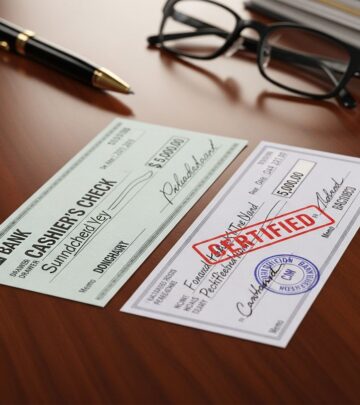
While both cashier’s checks and certified checks are official checks issued by banks, they differ in several important ways. A certified check is a personal check that you write from your own account, which the bank then certifies by placing an official stamp and verification on the check. The bank verifies your signature and places a hold on the funds in your account to ensure the check will clear.
The key difference is that a cashier’s check is drawn on the bank’s account and signed by a bank representative, while a certified check is drawn on your personal account and signed by you. From the payee’s perspective, a cashier’s check is more secure because it’s guaranteed by the bank itself, whereas a certified check’s guarantee depends on your creditworthiness and the bank’s verification of your signature.
Additionally, cashier’s checks are more widely accepted and preferred for large transactions. Certified checks may have higher limits on the amount that can be certified, but they are not offered or accepted as broadly as cashier’s checks.
Cashier’s Checks vs. Money Orders
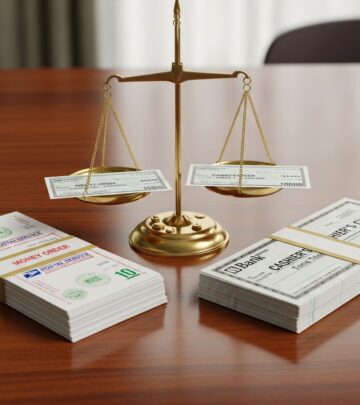
Money orders and cashier’s checks are both secure payment methods, but they serve different purposes and have distinct characteristics. Money orders are sold at post offices, retailers, banks, and credit unions. They are typically used for smaller transactions and generally have maximum limits around $1,000 per money order. If you need to send more than this amount, you would need to purchase multiple money orders.
Cashier’s checks, by contrast, were designed specifically for large payments and typically have much higher limits. Many banks impose no upper limit on cashier’s checks, though some may restrict online cashier’s checks to amounts such as $500,000 per day or $250,000 per check. This makes cashier’s checks the better choice for substantial transactions.
Money orders are generally less expensive than cashier’s checks and can be obtained more quickly at various retail locations. However, they are more limited in their transaction amounts and are more commonly used for smaller, routine payments.
Comparison Table
| Feature | Cashier’s Check | Certified Check | Money Order |
|---|---|---|---|
| Issued By | Bank or credit union | Account holder | Post offices, retailers, banks, credit unions |
| Guaranteed By | Bank or credit union | Bank or credit union | The funds used to purchase it |
| Drawn From | Bank’s account | Your account | Prepaid funds |
| Signed By | Bank representative | Account owner | N/A |
| Security Level | Highest | High | Medium to High |
| Common Limits | Often no upper limit; some restrict online to $250,000-$500,000 | Often no upper limit | Typically $1,000 |
| Cost | $5-$15 per check | $10-$25 per check | $1-$5 per order |
| Best For | Large transactions requiring highest security | Large transactions, personal use | Smaller transactions, routine payments |
When You Might Need a Cashier’s Check
Several situations call for the use of a cashier’s check as your payment method. Understanding when a cashier’s check is necessary or beneficial can help you handle financial transactions more effectively.
If you’re making a down payment on a home or vehicle, a cashier’s check is often the preferred payment method because it provides immediate assurance of available funds. When renting an apartment, landlords may require a cashier’s check for security deposits and first month’s rent. If you’re closing one bank account and haven’t yet opened another, a cashier’s check allows you to transfer funds safely. Additionally, if a person or merchant won’t accept a personal check or cash, a cashier’s check serves as an acceptable alternative that carries the bank’s guarantee.
Advantages of Using Cashier’s Checks
Cashier’s checks offer several distinct advantages that make them an excellent choice for certain transactions:
Maximum Security: The bank’s guarantee means the check won’t bounce, providing peace of mind to both payer and payee.
Wide Acceptance: Cashier’s checks are recognized and accepted nearly universally for large transactions.
High Transaction Limits: Unlike money orders, cashier’s checks can accommodate very large payment amounts.
Professional Appearance: They present a formal and professional payment method appropriate for significant financial transactions.
Quick Processing: Once obtained, cashier’s checks are processed quickly by recipients.
Potential Drawbacks and Considerations
While cashier’s checks are highly secure, they do have some limitations. They require a visit to your bank or credit union in person (unless your institution offers online ordering), which can be inconvenient. There are associated fees, though typically modest. Processing may take slightly longer than electronic transfers for some recipients. Additionally, if a cashier’s check is lost or stolen, replacing it can involve paperwork and waiting periods.
Frequently Asked Questions About Cashier’s Checks
Q: What’s the difference between a cashier’s check and a regular check?
A: A regular check is drawn from your personal account and requires the recipient to trust that you have sufficient funds. A cashier’s check is drawn from the bank’s account and guaranteed by the bank itself, making it much more secure and universally accepted for large transactions.
Q: How long does it take to get a cashier’s check?
A: If you visit your bank in person, you can typically obtain a cashier’s check within a few minutes. Some banks offer online ordering, though delivery may take several business days depending on the method you choose.
Q: Can I stop payment on a cashier’s check if I change my mind?
A: Stopping payment on a cashier’s check is difficult and typically requires filing a fraud or loss claim with your bank. Since the bank has already guaranteed the funds, they are generally obligated to pay the check when presented by the rightful recipient.
Q: What should I do if my cashier’s check is lost or stolen?
A: Contact your bank immediately. You may need to file a claim and wait for a specific period (often 30-90 days) before the bank will issue a replacement check, to ensure the original check doesn’t surface and get cashed by someone else.
Q: Are there limits to how much I can request in a cashier’s check?
A: Most banks have no upper limit for in-person cashier’s check requests. However, online cashier’s checks may have daily or per-check limits, such as $500,000 per day or $250,000 per check, depending on your bank’s policies.
Q: Do I need to be a customer of the bank to get a cashier’s check?
A: Most banks and credit unions issue cashier’s checks only to their account holders. However, some institutions may issue them to non-customers for a higher fee. It’s best to check with your specific financial institution.
Q: How are cashier’s checks protected against fraud?
A: Cashier’s checks include multiple security features such as watermarks, security threads, specialized inks, and sometimes signatures from two bank employees. These features make counterfeiting extremely difficult.
Q: Can I use a cashier’s check for international payments?
A: While technically possible, cashier’s checks are not ideal for international payments. Wire transfers or international money orders are typically more efficient for cross-border transactions. Check with your bank about international payment options.
References
- What Is a Cashier’s Check? — PNC Insights. 2024. https://www.pnc.com/insights/personal-finance/spend/what-is-a-cashiers-check.html
- What Is a Cashier’s Check? — Experian. 2024. https://www.experian.com/blogs/ask-experian/what-is-cashiers-check/
- What Is a Cashier’s Check — Citi Personal Banking Guide. 2024. https://www.citi.com/banking/personal-banking-guide/basic-finance/what-is-a-cashiers-check
- What Is a Cashier’s Check? Definition, Cost, Use and How to Buy One — NerdWallet. 2024. https://www.nerdwallet.com/banking/learn/cashiers-check-when-you-need-one-how-to-get-it
- Cashier’s Check vs. Certified Check: What’s the Difference? — KeyBank. 2024. https://www.key.com/personal/banking101/cashiers-vs-certified-checks.html
- What is a Cashiers Check: How & Where to Get Them — Huntington Bank. 2024. https://www.huntington.com/learn/checking-basics/what-is-cashiers-check
Similar Articles








Read full bio of medha deb