Cashier’s Check vs Certified Check Guide
Discover key differences between cashier's and certified checks to choose the safest payment option for major transactions like home purchases or vehicle sales.
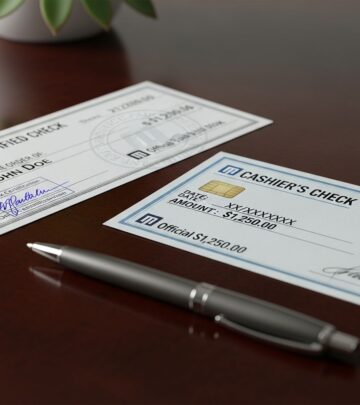
Secure payment methods are essential for high-stakes transactions where trust is paramount. Cashier’s checks and certified checks stand out as reliable alternatives to personal checks, offering enhanced protection against fraud and non-payment. This guide breaks down their features, differences, and best applications to help you make informed choices.
Understanding Secure Check Options in Modern Banking
In an era of digital payments, traditional checks persist for their tangibility in formal deals. Both cashier’s and certified checks provide guarantees that personal checks lack, minimizing bounce risks. Banks issue these to verify funds, but their mechanisms vary significantly.
These instruments bridge the gap between cash’s immediacy and wire transfers’ complexity, ideal for scenarios requiring proof of funds without full electronic commitment.
Defining the Cashier’s Check
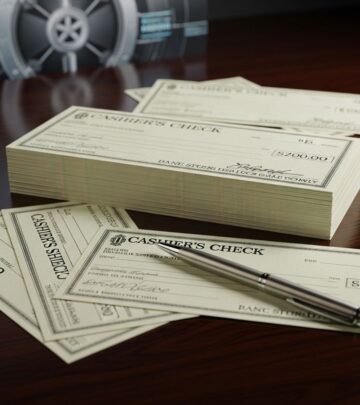
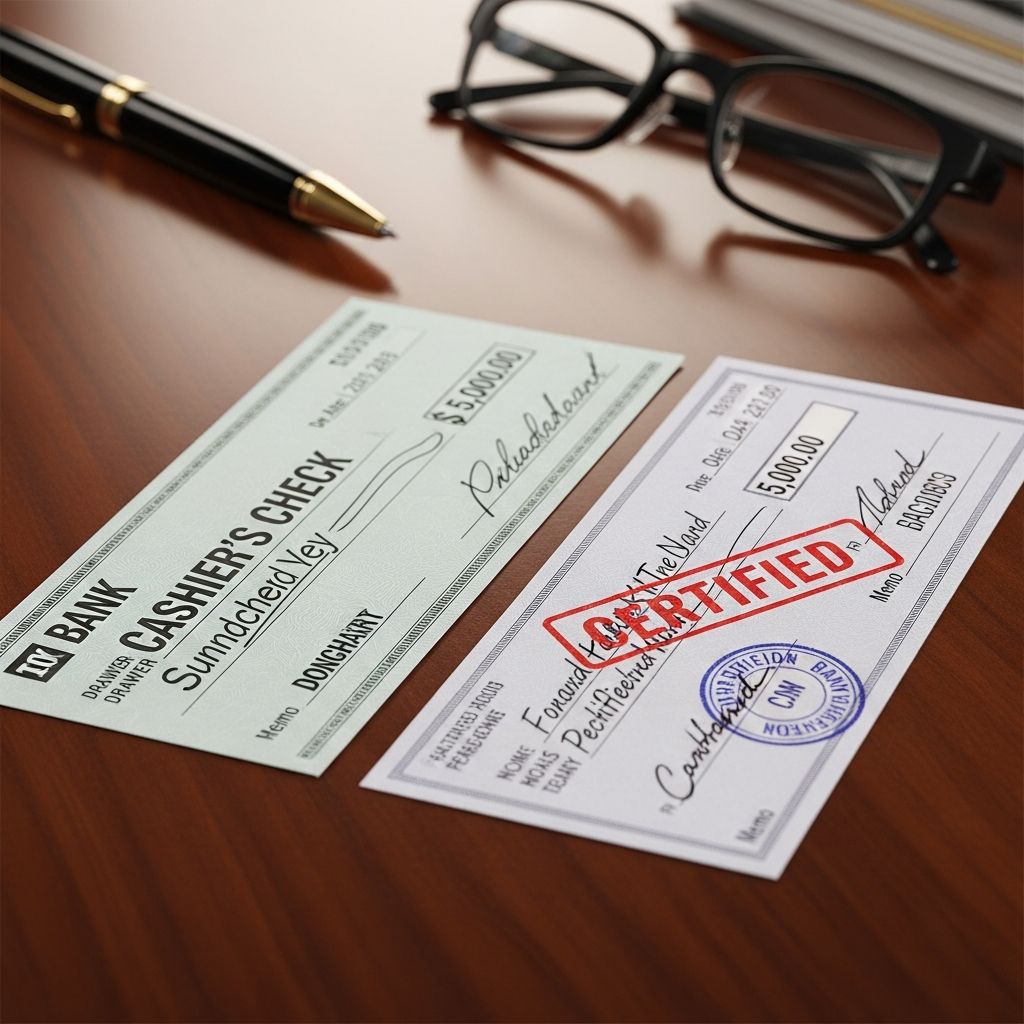
A cashier’s check is drawn directly from a bank’s own reserves. When you request one, you pay the bank upfront, and it issues the check payable to your recipient, signing it on your behalf. This setup ensures the recipient receives payment from the institution’s account, not yours.
The process typically involves visiting a branch or using online services at select banks. Funds transfer immediately to the bank’s holding, eliminating any chance of insufficient payer funds. This makes it highly reliable for recipients verifying legitimacy.
- Key traits: Bank-issued and signed; funds prepaid into bank account.
- Availability: Most banks and credit unions offer them, often online.
- Security level: Highest, as backed by institutional funds.
Defining the Certified Check
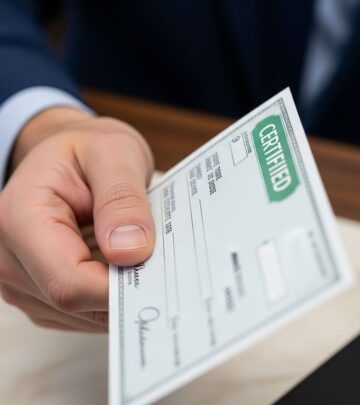
A certified check starts as your personal check, but the bank intervenes to validate it. The teller confirms your identity, verifies sufficient account balance, and stamps the check with certification. Funds remain in your account but are frozen until cashed.
You sign the check yourself, making it resemble standard personal checks externally. However, the bank’s endorsement signals reserved funds, preventing overdrafts. This method suits users wanting traceability tied to their account history.
- Key traits: Payer-signed with bank verification; funds earmarked in personal account.
- Availability: In-person only at participating branches; not universal.
- Security level: Strong, but slightly below cashier’s due to payer linkage.
Core Differences at a Glance
While both enhance payment safety, distinctions in funding, issuance, and risk profiles set them apart. The table below summarizes these for quick reference.
| Feature | Cashier’s Check | Certified Check |
|---|---|---|
| Funds Source | Bank’s account (prepaid by payer) | Payer’s account (earmarked) |
| Issuer/Signer | Bank or credit union | Payer, certified by bank |
| Availability | Branches, online/app at many institutions | In-person at select banks |
| Typical Fees | $5–$15 | $10–$20 |
| Security | Very high (bank guaranteed) | High (verified funds) |
| Funds Access for Recipient | Next business day typically | Next business day typically |
Security and Fraud Protection Compared
Cashier’s checks edge out in security because the bank assumes full liability. Recipients trust them for large sums, like down payments, knowing institutional backing prevents bounces.
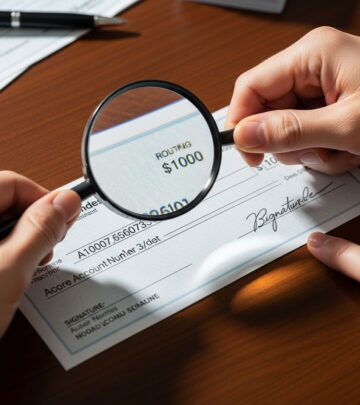
Certified checks offer solid protection via fund holds, but rare payer-bank disputes could arise. Fraudsters sometimes forge certifications, though bank stamps deter this. Always inspect for official markings and contact the issuing bank to verify.
Both surpass personal checks, where insufficient funds cause frequent issues. For ultimate safety, pair with photo ID requests from recipients.
Costs and Fee Structures
Fees vary by institution and membership status. Loyal customers often get waivers, but expect $5–$15 for cashier’s and $10–$20 for certified. Online issuance may add convenience fees.
Compare your bank’s policy: credit unions frequently charge less. Avoid non-bank issuers, as they lack federal oversight. Budget these into transaction costs, especially for repeated uses.
Step-by-Step: Obtaining Each Check Type
Getting a Cashier’s Check
- Visit your bank/credit union branch or app.
- Provide recipient’s name and amount.
- Pay the sum plus fee from your account.
- Receive the printed check, signed by bank staff.
Digital options at banks like Chase or Wells Fargo speed this up.
Getting a Certified Check
- Write a personal check at the branch.
- Present ID and account details to teller.
- Teller verifies funds, stamps, and signs certification.
- Take the certified check; funds are held.
Not all banks provide this; confirm ahead.
Ideal Scenarios for Each Payment Method
Choose based on transaction needs. Cashier’s checks suit high-value, low-trust deals like real estate closings or escrow. Their bank guarantee reassures sellers.
Certified checks fit traceable payments, such as private auto sales or rent, where payer accountability matters. Use when bank branches limit options.
- Cashier’s best for: Home buys, business deals, court payments.
- Certified best for: Personal sales, smaller formal payments.
Pros and Cons Breakdown
Cashier’s Check Advantages
- Ultimate security with bank funds.
- Widely accepted and easy to verify.
- Quick issuance, sometimes remote.
Cashier’s Check Drawbacks
- Potentially higher fees.
- Irreversible once issued; stop-payment harder.
- Lost checks require affidavits and fees.
Certified Check Advantages
- Often cheaper or free for members.
- Funds stay in your account longer.
- Personal signature aids record-keeping.
Certified Check Drawbacks
- Less secure than bank-backed options.
- Limited availability.
- Stop-payment mirrors personal check challenges.
Weigh these against alternatives like money orders for smaller sums or wires for speed.
Alternatives to Traditional Secure Checks
Modern options include ACH transfers, Zelle for peers, or wire services for globals. Money orders cap at $1,000 affordably. Digital wallets like Venmo now verify large sends, but lack check formality.
For ultra-security, escrow services hold funds until conditions met, common in eBay or realty.
Frequently Asked Questions
Which is safer, a cashier’s or certified check?
Cashier’s checks are safer, guaranteed by bank funds rather than verified personal ones.
Can I get these checks online?
Cashier’s often yes; certified typically requires in-person visits.
What if I lose a check?
Both need bank affidavits; replacements take 30–90 days with fees.
Do all banks charge fees?
No, account holders may get free ones; shop around.
Are they better than personal checks?
Yes, drastically reducing bounce risks.
Navigating Risks and Best Practices
Scams target these checks via fakes; verify via bank phone lines, not recipient claims. Mobile deposit delays funds, so confirm clearing. Track numbers and retain copies.
For businesses, integrate with accounting for audits. Consumers, use for milestones like deposits exceeding $2,000.
Stay updated on regulations; FDIC insures bank-issued up to limits, but checks themselves aren’t insured post-issue.
References
- Cashier’s Check Vs. Certified Check: What’s The Difference? — Bankrate. 2023-10-15. https://www.bankrate.com/banking/whats-the-difference-between-a-cashiers-check-and-a-certified-check/
- Certified Check vs. Cashier’s Check: Key Differences Explained — Citi. 2024-02-20. https://www.citi.com/banking/personal-banking-guide/basic-finance/certified-check-vs-cashiers-check
- Cashier’s Check vs. Certified Check: What’s the Difference? — Experian. 2024-05-10. https://www.experian.com/blogs/ask-experian/cashiers-check-vs-certified-check/
- Cashier’s Check vs. Certified Check: What’s the Difference? — KeyBank. 2023-11-05. https://www.key.com/personal/banking101/cashiers-vs-certified-checks.html
- Cashier’s Check vs. Certified Check — PNC Insights. 2024-01-12. https://www.pnc.com/insights/personal-finance/spend/cashiers-check-vs-certified-check.html
Similar Articles








Read full bio of Sneha Tete