Cash Stuffing: A New Method for Saving Money
Discover cash stuffing, the envelope budgeting method that's helping people control spending and build savings effortlessly.

Highlights:
- **Cash stuffing** is a budgeting technique that involves setting aside cash to cover your monthly expenses.
- One of the biggest benefits of
cash stuffing
is that it’s much more difficult to overspend. - **Cash stuffing** doesn’t require complicated calculations or mobile apps, making it ideal for anyone who’s new to budgeting.
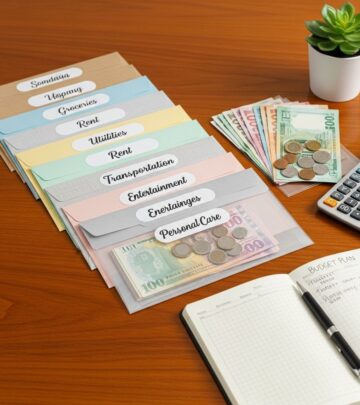
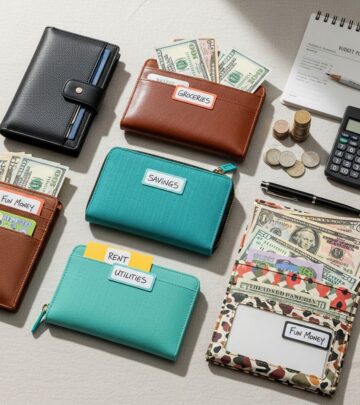
In a world dominated by digital banking tools, credit cards, and mobile apps, cash stuffing—also known as the envelope system—stands out as a refreshingly tactile approach to managing money. This method harks back to traditional budgeting practices but has gained massive popularity on platforms like TikTok, especially among younger generations facing inflation pressures. Instead of relying on debit cards, credit cards, or checks, you physically divide your cash into envelopes labeled for specific spending categories such as groceries, gas, entertainment, or utilities. When the cash in an envelope is gone, spending in that category stops until the next budgeting period. This built-in limitation makes overspending nearly impossible, fostering mindfulness and discipline in your finances.
The resurgence of cash stuffing aligns with a broader trend toward intentional spending amid rising costs. Popularized by financial experts like Dave Ramsey and amplified by social media influencers, it empowers users to visualize their money in real-time. Unlike digital tracking, which can feel abstract, holding physical cash creates a psychological barrier to impulse buys. Studies and user testimonials highlight its effectiveness in reducing discretionary spending by up to 20-30% in the first few months, as people confront the tangible loss of money.
Understanding Cash Stuffing: A Comprehensive Guide
Cash stuffing is more than a fad; it’s a proven envelope budgeting system designed to align your spending with your income. At its core, you create a budget, withdraw cash for variable expenses after covering fixed bills and savings, and “stuff” it into labeled envelopes. This method forces accountability because you can’t spend what you don’t have in hand. It’s particularly appealing in a cashless society where card swipes make tracking elusive.
Originating decades ago, cash stuffing has evolved with modern twists like decorative binders or digital envelopes in apps. However, the physical version remains king for its simplicity. According to financial educators, it works by leveraging behavioral economics: the pain of parting with cash is greater than digital transactions, curbing unnecessary purchases.
How Cash Stuffing Differs from Traditional Budgeting
Cash stuffing diverges from conventional methods in key ways:
- Instead of tracking spending via spreadsheets or apps, you allocate physical cash into envelopes for immediate, visual control.
- You pay with cash only, avoiding the ease of card swipes that often lead to overspending or debt accumulation.
- It requires a pre-existing budget; without knowing your income and expenses, the envelopes lack purpose.
Traditional apps like Mint or YNAB offer alerts and categorization but lack the haptic feedback of cash. Cash stuffing shines for visual learners and those overwhelmed by tech, providing instant feedback as stacks dwindle.
Benefits of Cash Stuffing
The advantages of cash stuffing extend beyond mere spending control. Here’s a deeper look:
- Prevents Overspending: Once an envelope empties, spending halts—no overdrafts or credit card bills surprise you at month’s end.
- Builds Awareness: Physically handling money heightens spending consciousness, often leading to natural cutbacks in non-essentials.
- Beginner-Friendly: No apps, algorithms, or math whizzes needed; just envelopes, cash, and discipline.
- Family Involvement: Kids can learn budgeting by managing mini-envelopes, instilling lifelong habits.
- Debt Reduction: By prioritizing cash for variables, more funds free up for high-interest debt payoff.
Users report average savings increases of 15% within three months, as the method gamifies finance. In inflationary times, it helps stretch dollars further by spotlighting leaks like daily coffee runs.
Getting Started with Cash Stuffing
Ready to try? Follow these straightforward steps to launch your envelope system.
1. Create a Budget
Start by assessing your finances. Tally net income from all sources—say, $3,400 from your job plus $400 from a side hustle, totaling $3,800 monthly. List fixed expenses (rent, utilities, insurance) and savings goals first. Use rules like 50/30/20: 50% needs, 30% wants, 20% savings/debt. Subtract these from income to find cash available for envelopes (e.g., $1,200). Choose your period: monthly, biweekly, or per paycheck.
2. List Spending Categories and Amounts
Identify variable expenses. Common categories include:
| Category | Example Monthly Allocation |
|---|---|
| Groceries | $400 |
| Gas/Transportation | $150 |
| Dining Out | $100 |
| Entertainment | $75 |
| Clothing | $50 |
| Miscellaneous | $25 |
Adjust based on your lifestyle. Broad categories work for starters; refine later.
3. Stuff Each Envelope with Cash
Withdraw your total envelope amount from the bank at period start. Label sturdy envelopes or use binders/boxes for aesthetics. Stuff exact amounts—$400 into “Groceries.” Store securely but accessibly.
4. Spend Cash According to Your Budget
Use only envelope cash for categories. Track by noting spends or visually checking levels. If “Dining Out” empties early, cook instead—no borrowing allowed. At period end, roll over leftovers to savings or next cycle.
Pros and Cons of Cash Stuffing
Like any method, cash stuffing has trade-offs.
| Pros | Cons |
|---|---|
| Strong overspend protection | Security risks with physical cash |
| Tangible spending visibility | Misses credit card rewards/protections |
| Simple, low-tech setup | Inconvenient for online/large purchases |
| Encourages frugality | No interest on cash holdings |
| Flexible categories | Time-consuming withdrawals |
Pros outweigh cons for cash-preferring households, but digital alternatives suit others.
Cash Stuffing Variations and Tips
Adapt for success:
- Digital Envelopes: Apps like YNAB or Goodbudget mimic with virtual pots.
- Hybrid Approach: Cash for variables, cards for fixed bills.
- Shared Envelopes: Family pools for households.
- Tips: Use fireproof safes; review weekly; celebrate full budgets.
Avoid common pitfalls: Don’t stuff fixed bills; replenish only at reset.
Frequently Asked Questions
What is cash stuffing?
Cash stuffing allocates budgeted cash into envelopes for spending categories, stopping spends when empty.
Is cash stuffing effective?
Yes, it excels at curbing overspending via physical limits, with many reporting better savings.
Do I need to use physical envelopes?
No, digital versions in apps work, but physical offers superior tactile feedback.
How much cash should I withdraw?
Only for variable expenses after fixed costs/savings—typically 30-50% of income.
Can cash stuffing help with debt?
Absolutely, by freeing cash for payments after essentials.
Is cash stuffing safe?
Use secure storage; limit amounts to minimize risk.
References
- What Is Cash Stuffing, and How Does It Work? — Truist Bank. 2024-01-15. https://www.truist.com/money-mindset/principles/budgeting-by-values/cash-stuffing-budgeting
- Cash Stuffing: How This Trendy Budgeting Method Works — Bankrate. 2025-03-10. https://www.bankrate.com/personal-finance/cash-stuffing-budgeting/
- A Beginner’s Guide to Envelope Budgeting (Cash Stuffing) — LunchMoney. 2024-06-20. https://lunchmoney.app/blog/beginners-guide-to-envelope-budgeting-cash-stuffing
- What Is the Cash Stuffing Envelope Budget System? — NerdWallet. 2025-01-05. https://www.nerdwallet.com/finance/learn/envelope-system
- Cash Stuffing: A New Method for Saving Money — Equifax. 2024-11-12. https://www.equifax.com/personal/education/personal-finance/articles/-/learn/cash-stuffing/
- What is Cash Stuffing? — Experian. 2024-09-18. https://www.experian.com/blogs/ask-experian/what-is-cash-stuffing/
Similar Articles








Read full bio of medha deb