Cash or Credit: Smartest Way to Buy Big-Ticket Items
Discover when paying cash beats financing and vice versa for major purchases like cars and homes to optimize your financial health.
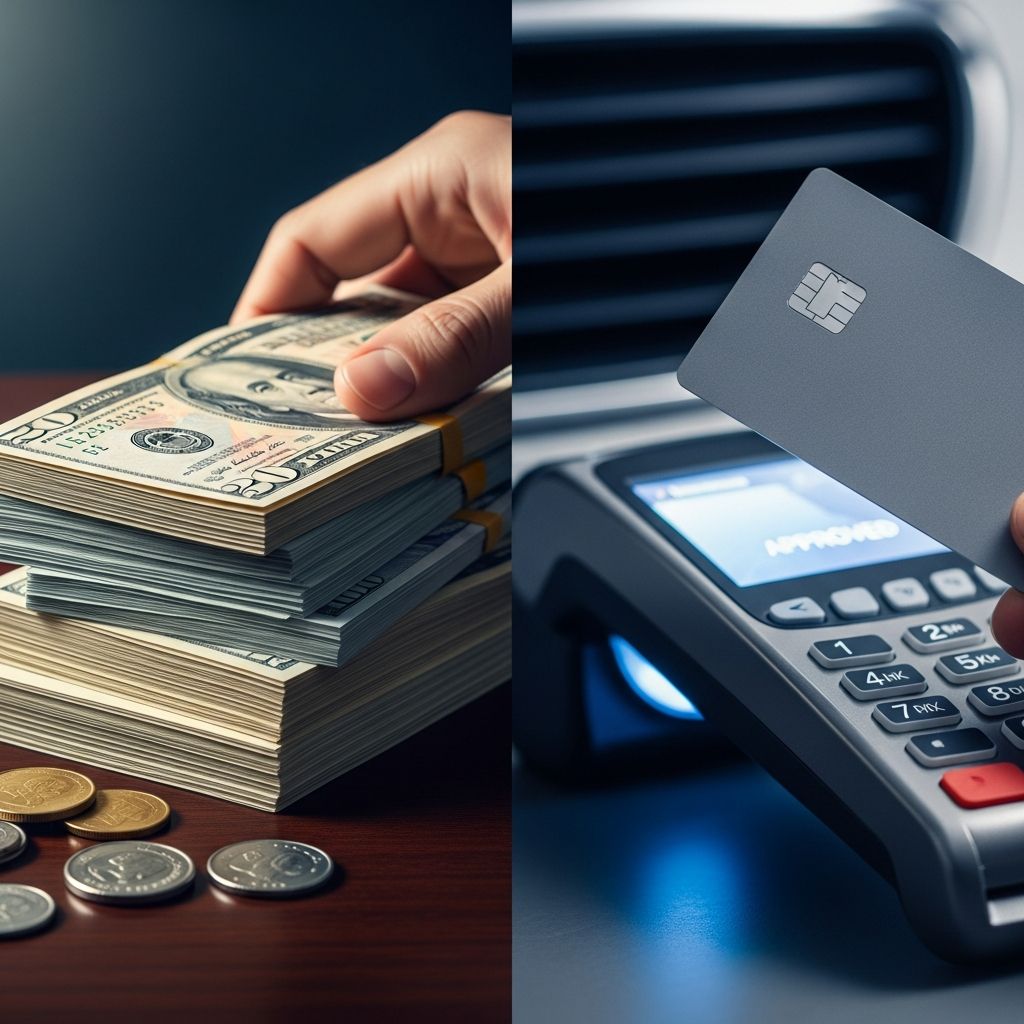
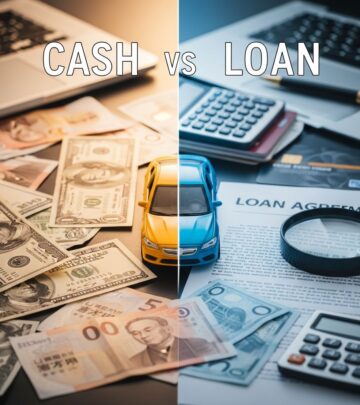
Making the choice between handing over a lump sum of cash or spreading payments through financing can significantly impact your long-term financial stability. For items like vehicles, home appliances, or even property, understanding the trade-offs helps preserve wealth while meeting needs.
Understanding the Core Differences in Payment Methods
Paying cash means immediate ownership without ongoing obligations, ideal for those prioritizing debt freedom. Financing, on the other hand, involves loans or credit, allowing deferred payments but introducing interest and repayment schedules. According to financial calculators, paying cash for a vehicle can save thousands in interest over loan terms. Yet, this overlooks opportunity costs like investing that cash elsewhere.
Key factors include current interest rates, your savings rate, and personal discipline. If savings earn less than borrowing costs, cash might be cheaper; otherwise, financing preserves liquidity.
Advantages of Opting for Financing
Financing spreads costs, making high-value items accessible without draining reserves. Here’s why it appeals:
- Preserves liquidity: Keep cash for emergencies or investments, avoiding depletion of funds.
- Builds credit history: Timely payments boost scores, unlocking better future rates.
- Access to rewards: Credit cards offer cash back or points on purchases.
- Flexible acquisition: Enables buying premium options like newer cars with modern safety features.
For instance, low-rate loans under 5% can be advantageous if investments yield higher returns, leveraging borrowed funds effectively. Dealerships often provide 0% introductory offers, minimizing extra costs.
Drawbacks of Taking on Financing
While convenient, financing isn’t without pitfalls. Interest accumulates, potentially doubling costs over time. A $41,000 car at 5% over 60 months adds about $5,000 in interest. Monthly commitments strain budgets, and missed payments harm credit.
Ownership delays until full repayment, with lenders holding titles. High rates, common in tough markets, make repayment burdensome. Over-reliance leads to debt cycles, diverting funds from savings.
Benefits of Paying with Cash Upfront
Cash transactions offer simplicity and savings. Primary upsides include:
- No interest expenses: Pay exact price, avoiding hidden fees.
- Immediate ownership: No liens or repayment worries.
- Debt reduction: Lowers financial stress from obligations.
- Stronger negotiating power: Sellers favor cash buyers, often discounting prices.
Experts note cash as the safest for most deals, completing transactions instantly without loan fees.
Potential Downsides of Cash Payments
Cash requires substantial upfront funds, limiting choices to budget-friendly options like older vehicles with higher repair risks. It skips credit-building opportunities and rewards. Depleting savings endangers emergency preparedness, especially without a robust fund.
Large outlays reduce investment potential; money in a car earns no return versus stocks or accounts.
Financial Scenarios Favoring Each Approach
Context dictates the best method. Use this table for quick comparison:
| Scenario | Best Choice | Reason |
|---|---|---|
| High-interest rates (>7%) | Cash | Avoids excessive costs |
| Low-rate financing (0-4%) | Finance | Opportunity for rewards/investments |
| Limited savings | Finance | Preserves emergency fund |
| Strong savings buffer | Cash | Debt-free ownership |
| Needs credit building | Finance | Positive payment history |
| Debt-averse | Cash | No new obligations |
For vehicles, cash saves $3,443 over 48 months typically. Homes often require financing due to scale, but down payments balance risks.
Real-World Examples: Cars and Beyond
Consider a $30,000 car. Cash pays exactly that; financing at 6% over 60 months totals $34,500. If cash invests at 8%, it grows to $36,000+, outweighing interest.
Appliances under $2,000 suit cash to dodge fees. Major buys like homes benefit from mortgages if rates beat savings yields.
Strategic Tips for Decision-Making
Evaluate before committing:
- Calculate total financing costs using online tools.
- Compare loan APR to savings/investment returns.
- Maintain 3-6 months’ expenses in emergencies before cash spends.
- Shop rates; poor credit inflates costs—improve first.
- Negotiate cash discounts post-price agreement.
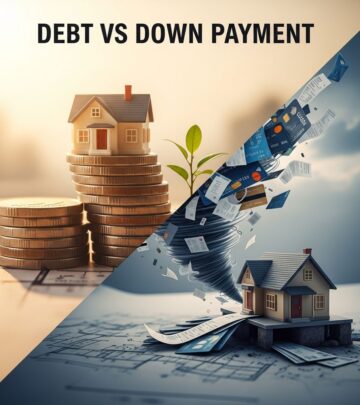
Hybrid: Large down payments reduce interest while financing remainder.
Impact on Credit Scores and Long-Term Wealth
Financing aids scores via utilization and history if managed well. Cash avoids inquiries but misses this. Long-term, minimizing high-interest debt builds wealth; low-cost borrowing can accelerate it.
FAQs
Is paying cash always cheaper?
Not if financing rates are low and cash could invest profitably. Compare after-tax borrowing costs to savings returns.
Does financing hurt my credit?
Only if payments miss; on-time builds it positively.
When should I finance a car?
For newer models or 0% deals, especially with good credit.
Can cash buyers negotiate better?
Yes, reveal after price haggling for leverage.
What if I lack emergency funds?
Finance to preserve liquidity; prioritize building reserves first.
Conclusion
Neither cash nor financing universally wins—align with goals, rates, and discipline. Cash suits debt avoidance; financing fits growth strategies. Crunch numbers for each purchase to maximize benefits.
References
- Financing vs Paying Cash — SouthEast Bank. 2024. https://www.southeastbank.com/knowledge-hub/financing-options/personal-loans/financing-vs-paying-cash/
- Car Financing vs. Paying Cash: What’s the Better Way to Buy a Vehicle? — Grace Quality Cars. 2024. https://gracequalitycars.com/car-financing-vs-paying-cash-whats-the-better-way-to-buy-a-vehicle/
- Is It Better to Finance a Purchase or Pay Cash? — Experian. 2024. https://www.experian.com/blogs/ask-experian/is-it-better-to-finance-purchase-or-pay-cash/
- When to Pay Cash or Finance — Five Star Bank. 2024. https://www.five-starbank.com/resources/when-to-pay-cash-or-finance
- Should I finance or pay cash for a vehicle? — myFICO. 2024. https://www.myfico.com/credit-education/financial-calculators/vehicle-financing-vs-paying-cash
- Financing vs. Cash: When to Borrow for Your Next Purchase — BWM Planning. 2024. https://www.bwmplanning.com/post/97
- Paying Cash for a Car in 2026: Consider the Pros and Cons — Kelley Blue Book. 2026. https://www.kbb.com/car-advice/should-i-pay-cash-for-a-new-or-used-car/
Similar Articles








Read full bio of medha deb