Cash-Only Living: What Changes When You Ditch Cards
Discover the profound shifts in spending habits, security, and daily life when you commit to paying exclusively with cash.
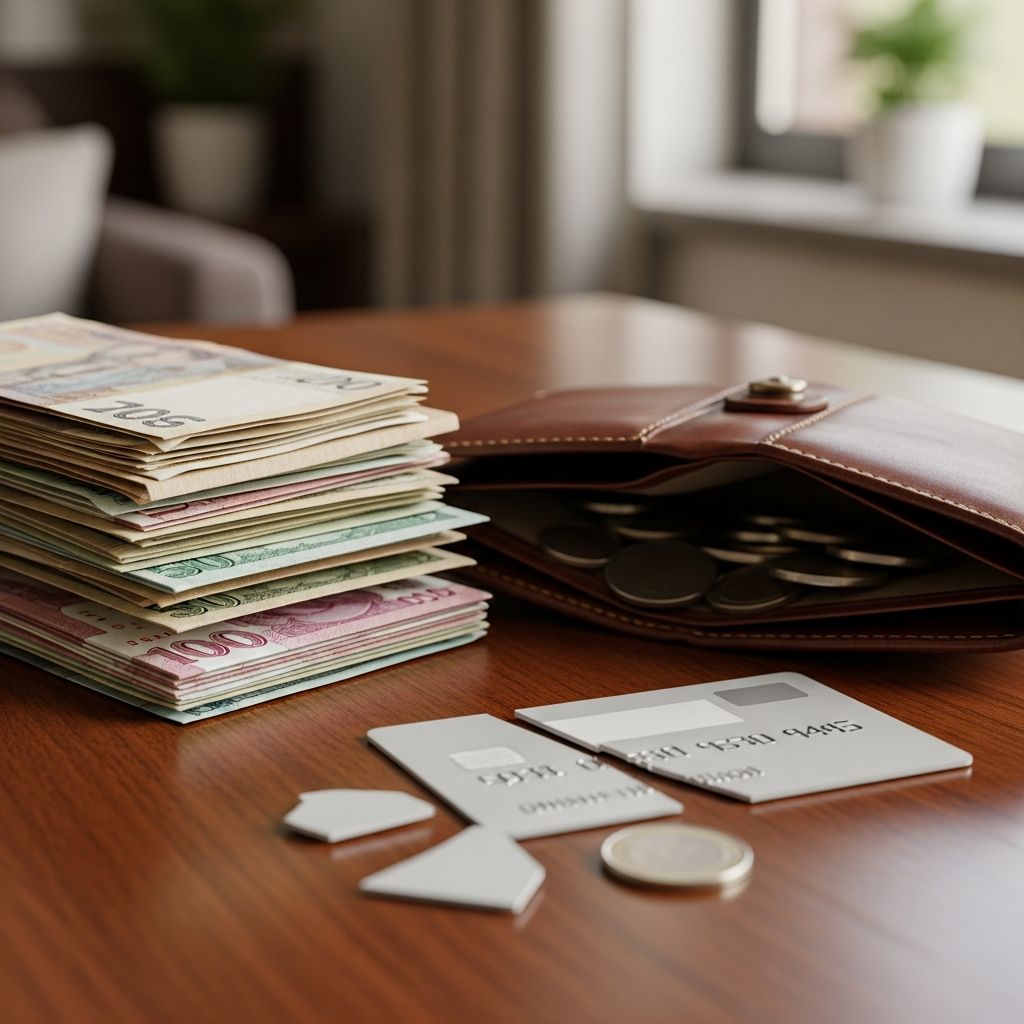
Switching to an all-cash payment system reshapes how individuals approach everyday transactions, often leading to more deliberate financial decisions. This shift counters the dominance of digital payments, where credit cards fuel higher spending volumes across the U.S. economy.
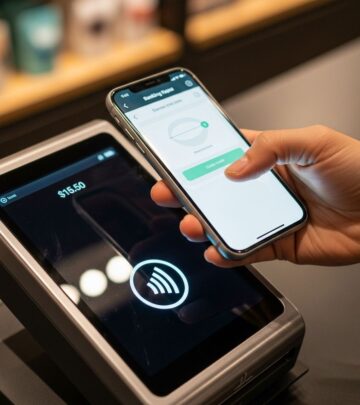
The Decline of Cash in Modern Transactions
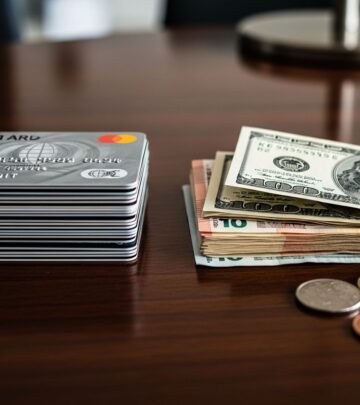
Cash now accounts for just 11% of in-store purchases in the United States, reflecting a broader trend toward card-based systems. In 2024, consumers spent $791.3 billion in cash compared to $5.42 trillion via credit cards out of total retail spending of $8.39 trillion. This disparity highlights cash’s retreat, with 83% of shoppers favoring cards and debit dominating preferences.
Debit cards lead in usage, appearing in 30% of in-store transactions, while credit cards cover 40% and drive 71% of retail sales dollars. Overall, 70.6% of retail purchases involve credit cards, either in-store or online. The average consumer makes 17 credit card payments monthly versus only 7 cash ones, underscoring habitual reliance on plastic.
How Cards Inflate Spending Compared to Cash
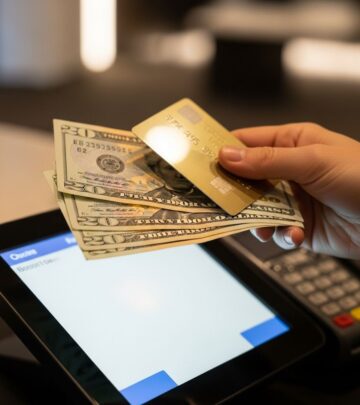
Psychological distance from money explains why plastic prompts excess. Studies show shoppers spend up to 4 times more with credit cards than cash, with average card transactions at $108.30 versus $22 for cash. One analysis found a 409% jump in transaction value from cash ($22) to non-cash ($112).
Consumers holding Visa or Mastercard spend 21.6% more via debit than credit, yet credit still outpaces cash significantly. Research from Dun & Bradstreet indicates 12%-18% higher spending with cards, while another experiment revealed participants willing to pay twice as much for tickets when using credit over cash. This ‘pain of paying’ effect makes cash a natural brake on impulse buys.
| Payment Method | Avg. Transaction Value | % of In-Store Use (2024) | Spending Multiplier vs. Cash |
|---|---|---|---|
| Cash | $22 | 11% | 1x |
| Debit | $112 | 30% | Up to 4x |
| Credit | $108.30 | 40% | Up to 4x (83% more in some studies) |
Data compiled from recent consumer studies shows cash curbs volume, ideal for budget-conscious individuals.
Budgeting Benefits of a Cash-Only Approach
Physical currency enforces spending limits visibly. Withdrawing a fixed amount for weekly expenses prevents overspending, as depleting bills signals the budget’s end. This tangibility tracks outflows precisely, revealing weekly patterns others obscure.
- Visual Accountability: Seeing cash dwindle discourages extras, unlike abstract card swipes.
- Category Allocation: Envelope systems divide cash for groceries, entertainment, etc., halting transfers mid-month.
- Habit Formation: Regular cash use builds discipline, reducing average purchases from $112 to $22 levels.
71% of cash payments target transactions under $25, aligning perfectly with routine needs where control matters most.
Security Advantages Over Digital Payments
Cash eliminates fraud vectors like data breaches. No personal details shared means zero identity theft risk per transaction, unlike cards where 14.4 million cases cost $1.7 billion in 2018 alone. Stolen cash is lost forever, but cards offer dispute protections—yet prevention trumps recovery.
76% of cash uses occur where cards are accepted, proving viability without added vulnerability. For small buys, cash avoids merchant fees indirectly passed to consumers.
Challenges of Going Cash-Only
Convenience suffers: 70% prefer cards for ease and safety from theft. Carrying sums risks loss, with most holding under $40—men least likely at 16% carrying any. Cash use dropped 26.7% for retail from 2019-2024, signaling infrastructure shifts.
Older adults (55+) rely on cash for 19% of purchases, showing generational divides. Venues rejecting cash or digital-only trends complicate adherence.
Psychological Shifts in Consumer Behavior
Cards create ‘funny money’ illusion, delaying payment pain. Guilty buys like candy prompt cash to erase trails, per behavioral research—easy justifications favor trackable cards. Cash forces immediate regret, curbing indulgences.
Average monthly cash users (83%) mix methods, but full commitment amplifies effects.
Practical Strategies for Cash-Only Success
- Start Small: Convert one category like groceries to cash weekly.
- ATM Discipline: Withdraw fixed sums, avoiding frequent visits.
- Track Remotely: Log expenditures daily to monitor without apps.
- Hybrid Moments: Reserve cards for travel or large buys with safeguards.
- Build Reserves: Maintain emergency cash stash securely.
Long-Term Financial Outcomes
Cash-only adopters report slashed debt, as no revolving balances accrue—U.S. credit debt hit $1.03 trillion amid card reliance. Spending 83% less per some metrics fosters savings habits. Debit’s rise (top choice) offers a middle ground, but cash maximizes control.
Cash in Specific Scenarios
- Small Transactions: Ideal under $10 (49% cash use).
- Budget Builds: Envelope method for categories.
- Impulse Control: Tangible loss deters extras.
- Off-Grid: Works where signals fail.
FAQs
Does paying with cash really reduce spending?
Yes, studies confirm 12-83% less spending with cash due to its psychological immediacy.
Is cash safer than cards?
For theft of info, yes—no data shared. Physical loss is irrecoverable, unlike disputed charges.
How do I transition to cash-only?
Withdraw budgeted amounts per category, track manually, and phase out cards gradually.
What about places that don’t take cash?
Rare but growing; carry minimal cards as backup or shop alternatives.
Can cash help with debt payoff?
Absolutely—eliminates interest accrual and overspend cycles fueling $1T+ debt.
References
- Cash vs Credit Card Spending Statistics (2026): Latest Trends — Capital One Shopping. 2026. https://capitaloneshopping.com/research/cash-vs-credit-card-spending-statistics/
- Cash vs Credit Card Spending Statistics — Shift Processing. 2024. https://shiftprocessing.com/cash-vs-credit-card-spending-statistics/
- Does Using a Credit Card Make You Spend More Money? — NerdWallet. 2024. https://www.nerdwallet.com/credit-cards/learn/credit-cards-make-you-spend-more
- Cash vs. Debit vs. Credit: When to Use Each — Harvard FCU. 2024. https://harvardfcu.org/blog/cash-vs-debit-vs-credit-when-to-use-each-and-how-to-stay-in-control/
- 6 Reasons Why Using Cash Is Better Than Credit — PrimeWay FCU. 2024. https://www.primewayfcu.com/blog/3-reasons-why-using-cash-is-better-than-credit
- Cash or card? Consumers pay strategically to forget guilty purchases — University of Notre Dame News. 2024. https://news.nd.edu/news/cash-or-card-consumers-pay-strategically-to-forget-guilty-purchases-study-shows/
Similar Articles








Read full bio of Sneha Tete