Cash as a Gift: Etiquette Guide & Best Practices
Master the art of giving cash gifts with our comprehensive etiquette guide for all occasions.

Cash as a Gift: Is It Really Appropriate?
The question of whether to give cash as a gift has long puzzled gift-givers who wonder if monetary presents come across as impersonal or thoughtless. The reality, however, tells a different story. Modern etiquette experts agree that cash can be not only appropriate but genuinely appreciated in many circumstances. Diane Gottsman, the national etiquette expert and founder of the Protocol School of Texas, puts it simply: “Cash is king. Everyone loves money.”
The preference for cash gifts is supported by compelling data. In a 2019 survey conducted by Mint, 61% of respondents stated they would prefer cash or a gift card to a traditional present. More recently, a 2023 YouGov poll found that “cash or money in some form” ranked higher than books, event tickets, clothes, and electronics when respondents were asked about the holiday gifts they would be most excited to receive. These statistics challenge the outdated notion that monetary gifts are impersonal or lazy choices.
Myka Meier, an etiquette expert from Beaumont Etiquette, offers valuable perspective on this matter. “I think giving money as a present can be perfectly appropriate and even appreciated in most instances,” she explains. “It’s a gift that truly allows the person you are gifting to choose what they really want or need.”
Cultural Traditions Around Monetary Gifts
In many cultures around the world, giving money as a gift is not merely acceptable—it’s the standard practice for important occasions. Understanding these traditions helps contextualize why cash gifts have remained popular across generations and continents.
In Japan, for example, the tradition of giving monetary gifts is deeply embedded in social customs. The typical “goshugi,” which is an envelope of cash handed over in association with celebrations, can reach up to ¥50,000, equivalent to over $300. This practice reflects the importance placed on monetary gifts in Japanese culture as a respectful and meaningful gesture.
South Korean weddings also incorporate cash gift traditions, with a designated person who collects all the “chug-ui-geum” (wedding contributions) throughout the celebration. These examples illustrate that monetary gifts are not just acceptable in many cultures—they are expected and valued expressions of support and goodwill.
Perfect Occasions for Giving Cash Gifts
While cash can be appropriate in many situations, certain occasions are particularly well-suited for monetary gifts. These are moments when recipients are typically expecting or preferring cash over physical items.
Life Transitions and Major Milestones
Cash gifts excel in situations where the recipient is undergoing significant life changes or facing new expenses. These transitions include graduations, weddings, and baby showers. During a graduation, for instance, a cash gift helps offset the costs of entering the workforce or pursuing higher education. Wedding gifts in cash can help newlyweds manage the financial responsibilities of starting their life together. Similarly, baby shower gifts of money help parents prepare for childcare expenses and baby necessities.
Housewarming Celebrations
When someone is moving into a new home, a cash gift provides invaluable flexibility. Rather than receiving items that might not match their aesthetic or lifestyle preferences, homeowners can choose furnishings and decor that align with their personal style and feng shui preferences. This flexibility makes cash an especially thoughtful choice for housewarming occasions.
Times of Financial Need
If you’re aware that someone is experiencing financial hardship or facing unexpected expenses, a cash gift can be both practical and compassionate. This could include situations where medical bills have accumulated, job loss has occurred, or other financial emergencies have emerged.
How to Present Cash Gifts Thoughtfully
The key to giving cash gifts appropriately lies not in the amount but in how you present it. Even modest monetary gifts can feel warm and thoughtful with the right presentation approach.
The Presentation Matters
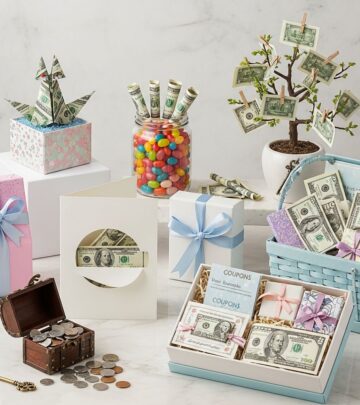
Gottsman recommends “warming up” a cash gift by obtaining a crisp bill directly from your bank and enclosing it in a nice, handwritten card. This approach demonstrates that you invested time and effort into the present, distinguishing it from hastily grabbing crumpled bills from your wallet moments before an event. The handwritten card is crucial—it transforms a simple monetary gift into a more personal gesture.
Personalization Through Gift Cards
If you’re giving a gift card rather than cash, personalization becomes even more important. Choose a retailer or service that you know, based on your shared history, the recipient genuinely loves. This demonstrates thoughtfulness and enables them to enjoy something they truly value. For example, if your cousin loves movies but struggles to justify the $15 popcorn combo given her budget constraints, an AMC gift card allows her to splurge on an experience she enjoys without guilt. This targeted approach makes significantly more impact than a random hand cream the recipient will never use.
Include Personal Messages
Accompany your cash gift with a message explaining your reasoning or offering personal wishes. Rather than simply handing over money, you might write, “This is to help with your college savings” or “For you two to choose items that make your new house a home.” This clarity helps recipients understand your intentions and prevents them from feeling awkward about receiving monetary gifts.
When to Avoid Giving Cash
Despite the growing acceptance of monetary gifts, certain situations call for alternative approaches. Understanding these contexts helps you navigate gift-giving successfully and maintain appropriate relationships.
Established Relationships with Specific Dynamics
The appropriateness of cash gifts often depends on your relationship with the recipient. While your 15-year-old nephew might be delighted to receive $50 cash, an established great-aunt might feel offended by the same gesture. She might interpret it as you suggesting she needs money, which could damage your relationship. Similarly, in new romantic relationships where your partner is waiting for a meaningful gesture, cash gifts might seem impersonal or suggest you didn’t put thought into the present.
Professional Relationships
Giving cash to your boss or in professional settings can be perceived as inappropriate or awkward. These situations typically call for alternative gift options that maintain professional boundaries while showing appreciation.
Celebrations Centered on Emotional Connection
Occasions where emotional thoughtfulness and personal effort are paramount—such as milestone birthdays, anniversaries, or intimate celebrations—may be better served by gifts that demonstrate deeper consideration and time investment. Handmade items or gifts reflecting shared experiences often create more meaningful connections than cash.
Digital Payment Etiquette Considerations
In our increasingly digital world, the question of whether to send money via Venmo, Cash App, or other digital payment services has become relevant. However, traditional etiquette experts caution against this approach for most gift-giving scenarios.
Blasting out your Venmo handle to wedding guests or posting your Cash App information on social media requesting birthday money comes across as presumptuous and borderline rude. Such approaches can seem like strong-arming people into giving you money, which violates fundamental gift-giving principles. It should remain entirely up to potential gift-givers to decide whether they want to give anything at all, and it’s not polite to assume they’re in a position to contribute financially.
Additionally, requesting digital payments can make recipients uncomfortable, particularly if they’re experiencing financial constraints themselves. Traditional cash in a card or physical gift card remains the more socially acceptable approach to monetary gift-giving.
The Importance of Thoughtful Consideration
Ultimately, whether cash is an appropriate gift depends on several factors: your relationship with the recipient, the occasion being celebrated, cultural context, and the recipient’s lifestyle and preferences. Meier advises gift-givers to “think about the recipient’s lifestyle and your relationship with them. Consider if they might prefer the flexibility of cash or if they would appreciate the thoughtfulness of a bespoke gift.”
Gottsman emphasizes an important principle: “It is not a thoughtless gift if there’s some thought put into it.” This statement encapsulates the essence of modern gift-giving etiquette. A cash gift accompanied by genuine consideration, presented in a thoughtful manner, and suited to the recipient’s circumstances demonstrates care and respect, regardless of its monetary form.
Frequently Asked Questions
Q: Is it ever appropriate to give cash to someone in a professional setting?
A: Generally, cash gifts in professional settings can be awkward. Instead, consider a professional gift or a small thank-you token that maintains appropriate workplace boundaries. The context and your specific relationship with the person matter significantly.
Q: How much cash should I give as a wedding gift?
A: A general guideline suggests starting around $50 for distant relatives or co-workers and increasing the amount based on how close you are to the couple and your financial capacity. Consider the wedding’s location, your attendance at multiple wedding events, and local customs.
Q: Can I give cash through digital payment apps like Venmo?
A: While digital payments are convenient, they’re generally not recommended for formal gift-giving occasions. Sending your Venmo or Cash App handle to guests requesting money appears presumptuous. Physical cash in a card or a gift card remains more appropriate for traditional gift-giving situations.
Q: What if I’m unsure whether the recipient would prefer cash or a physical gift?
A: If you’re uncertain, consider asking family members or close friends about the recipient’s preferences. Alternatively, you could select a highly exchangeable gift or a gift card to a place you know they enjoy. This provides flexibility while still showing thoughtfulness.
Q: Does the presentation of cash matter as much as the amount?
A: Absolutely. The presentation often matters more than the amount. A smaller cash gift presented in a nice card with a handwritten message demonstrates more thoughtfulness than a larger sum handed over casually. Crisp bills from the bank and personal touches make cash gifts feel special.
Q: Are there cultural differences in cash gift-giving that I should know about?
A: Yes, cultural traditions significantly impact cash gift appropriateness. In many Asian cultures, monetary gifts are standard and expected for celebrations. Understanding the recipient’s cultural background helps ensure your gift is appropriate and respectful.
References
- Cash Is King. But Is It OK to Give as a Present? — Money.com. 2024. https://money.com/give-cash-money-present-etiquette/
- Is It Bad Manners to Request Venmo Money as a Birthday Gift? — Money.com. 2024. https://money.com/ask-venmo-money-birthday-gift-etiquette/
- 5 New Money Etiquette Rules You Should Follow — Money.com. 2024. https://money.com/new-money-etiquette-rules/
- Dollar Scholar: How Much Should I Spend on a Wedding Gift? — Money.com. 2024. https://money.com/dollar-scholar-wedding-gift-spend/
- A Guide to Wedding Etiquette in the Digital Age — Money.com. 2024. https://money.com/venmo-the-bride-your-guide-to-wedding-etiquette-in-the-social-media-age/
- The Emily Post Institute Guide to Gift-Giving Etiquette — The Emily Post Institute. 2023. https://emilypost.com/advice/gift-giving-etiquette
Similar Articles








Read full bio of medha deb