Cash Back Credit Cards: Pros, Cons, And Best Uses In 2026
Explore the advantages and drawbacks of cash back credit cards to determine if they suit your spending habits and financial goals effectively.
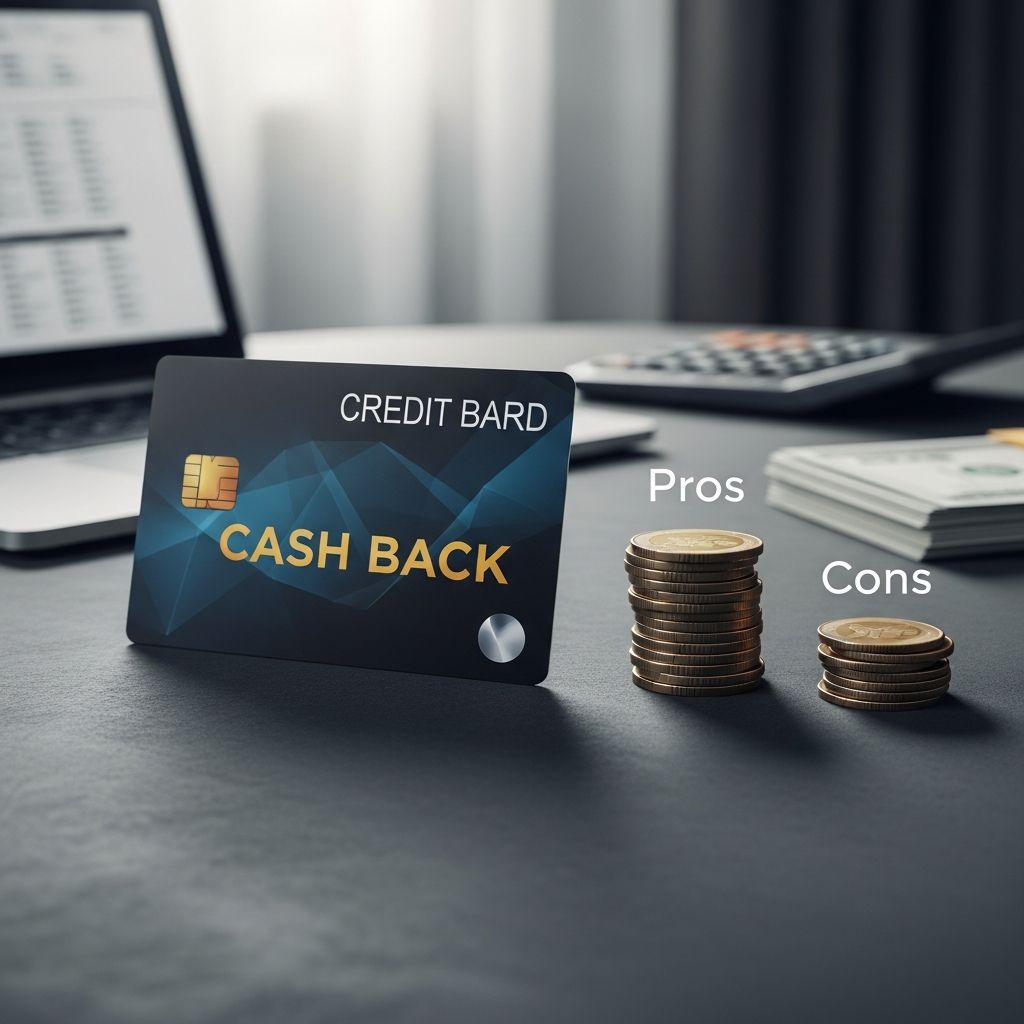
Cash back credit cards provide a direct way to earn money on everyday purchases, appealing to consumers seeking simplicity in rewards programs. These cards return a percentage of spending as cash, often without the complexity of points or miles systems.
Understanding Cash Back Rewards
Cash back rewards function by crediting a portion of your spending back to you, typically ranging from 1% to 6% depending on the card and purchase category. Unlike points-based systems, the value remains constant, ensuring predictability.
Issuers like Citi offer cards such as the Double Cash, which provides 2% back—1% upon purchase and 1% upon payment—on all eligible transactions. This flat-rate structure suits broad spending patterns without requiring category tracking.
Key Advantages of Cash Back Cards
Cash back cards stand out for their user-friendly design and reliable returns. Here are the primary benefits:
- Simplicity in Earning and Redeeming: Rewards accrue as straightforward cash equivalents, avoiding the need to navigate variable point valuations or transfer partners.
- Flexible Redemption Choices: Options include statement credits, direct deposits, checks, or gift cards, giving users control over usage.
- No Reward Expiration: Earnings typically do not expire, unlike many points programs, preserving long-term value.
- Low or No Annual Fees: Many top cards waive fees, making them accessible without ongoing costs.
- Introductory Offers: 0% APR periods aid debt consolidation or large purchases while earning rewards.
- Accessibility Across Credit Profiles: Options exist for various credit levels, including those building credit.
Experts note that for average spenders, these cards deliver consistent value around 1-1.5% without devaluation risks.
Potential Drawbacks to Consider
Despite their appeal, cash back cards have limitations, particularly for specialized spenders. Common downsides include:
- Capped Earning Rates: Bonus categories often limit quarterly or annual rewards, reducing returns for high spenders.
- Fewer Luxury Perks: Lacking travel insurance, lounge access, or elite status compared to premium travel cards.
- Temptation to Overspend: Rewards can encourage excess purchases, leading to interest charges if balances carry over.
- Annual Fees on Premium Versions: Some high-reward cards charge fees that must be offset by usage.
- Lower Peak Value: Maximum returns rarely exceed travel rewards optimized for premium redemptions.
| Feature | Cash Back Cards | Travel Rewards Cards |
|---|---|---|
| Rewards Value Stability | Fixed (e.g., 2% cash) | Variable (1-3+ cents/point) |
| Annual Fees | Often $0 | $95-$795 |
| Perks | Basic protections | Lounge access, insurance |
| Complexity | Low | High (redemptions) |
| Best For | Everyday spending | Frequent travelers |
This table highlights trade-offs: cash back prioritizes ease, while travel cards offer higher potential upside for targeted users.
Who Benefits Most from Cash Back Cards?
Ideal users include those with routine expenses like groceries, gas, or dining, where bonus categories align. For example, a card offering 3-5% on supermarkets maximizes value without complexity.
High spenders or travelers may prefer hybrid strategies, pairing cash back with points cards for optimized returns.
Strategies to Maximize Cash Back Earnings
To get the most from these cards:
- Pay balances fully monthly to avoid interest eroding rewards.
- Select cards matching your top spending categories.
- Track caps and activate quarterly bonuses promptly.
- Combine with 0% APR offers for debt payoff.
- Compare sign-up bonuses against long-term rates.
A flat 2% card like Citi Double Cash excels for uncategorized spending, yielding $200 on $10,000 annually without effort.
Cash Back vs. Other Rewards Types
Compared to points/miles, cash back avoids devaluation and blackout dates but caps at lower rates (1-6% vs. potential 2-3 cents/point). Store cards limit to one retailer, reducing versatility.
For building credit, secured cash back options provide rewards while improving scores through responsible use.
Frequently Asked Questions
Are cash back cards worth it?
Yes, for disciplined users whose spending aligns with rewards structure, offering better value than devaluing points for most.
Do cash back rewards expire?
Generally no, as long as the account remains open and in good standing.
Can I get a cash back card with bad credit?
Yes, starter or secured versions are available.
How do I redeem cash back?
Via statement credit, deposit, check, or gift cards, depending on the issuer.
What’s the best cash back rate?
Top cards offer 2% flat or 5%+ in rotating categories.
Making the Right Choice in 2026
Evaluate your monthly spend, travel frequency, and fee tolerance. Tools from issuers help simulate earnings. Responsible use ensures rewards enhance finances without debt.
References
- Cash back credit cards may offer better value than rewards points, experts say — KJRH (Tulsa’s News Leader). 2023-10-12. https://www.kjrh.com/money/consumer/consumer-reports/cash-back-credit-cards-may-offer-better-value-than-rewards-points-experts-say
- Are Cash Back Credit Cards Worth It? Pros, Cons, and Tips — Citi. 2025-01-15. https://www.citi.com/credit-cards/understanding-credit-cards/are-cashback-credit-cards-worth-it
- The pros and cons of cash-back credit cards — The Points Guy. 2024-08-20. https://thepointsguy.com/credit-cards/why-cash-back-cards-are-better/
- Cash Back vs. Points: Which Type of Rewards Card Is Best? — Credit Karma. 2024-05-10. https://www.creditkarma.com/credit-cards/i/travel-rewards-vs-cash-back-credit-cards
- Cash Back vs. Travel Rewards: How to Choose — NerdWallet. 2025-02-01. https://www.nerdwallet.com/credit-cards/learn/cash-back-vs-travel-how-to-choose-your-credit-card-rewards
Similar Articles








Read full bio of medha deb