Cash Advances: Costs, Risks, And Safer Alternatives
Discover the essentials of cash advances, from credit card withdrawals to business options, and learn why they can be costly.

Cash advances provide a rapid method to obtain funds using credit cards, lines of credit, or specialized loans, but they often involve steep fees and immediate interest accrual that can escalate debt quickly.
Defining Cash Advances in Modern Finance
In essence, a cash advance lets individuals or businesses draw money ahead of time against available credit or future revenue streams. Financial institutions like banks and credit card providers offer these services, enabling withdrawals at ATMs, bank counters, or through digital transfers. Unlike standard purchases, these advances lack an interest-free grace period, meaning charges begin piling up at the moment funds are accessed.
This feature distinguishes cash advances from everyday credit card use, where payments might delay interest for a billing cycle. Borrowers must grasp this distinction to avoid unexpected financial strain. For instance, credit card issuers treat advances as distinct balances, often prioritizing lower-interest debts for minimum payments first.
Exploring the Primary Varieties of Cash Advances
Cash advances manifest in multiple forms, each tailored to specific needs and carrying unique risks. Understanding these categories helps consumers select appropriately or seek alternatives.
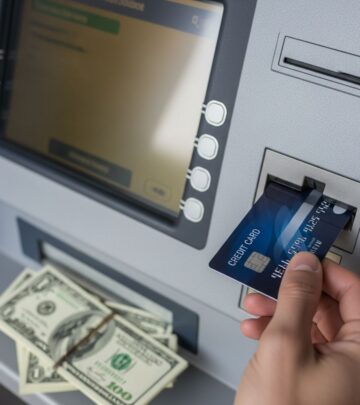
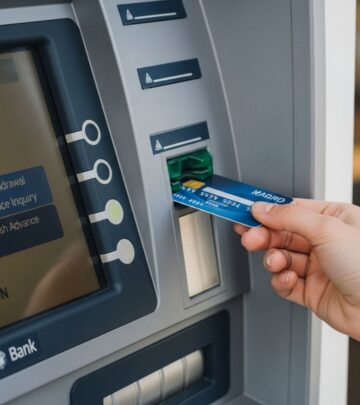
- Credit Card Cash Advances: The most common type, where cardholders withdraw cash from ATMs or banks using their credit card PIN. Limits typically cap at a portion of the total credit line, say 20-50%, depending on the issuer.
- Payday Loans: Short-term borrowings repaid on the next paycheck, frequently with triple-digit effective APRs due to fees. These target those needing immediate cash but often lead to cycles of reborrowing.
- Merchant Cash Advances: Business-oriented funding repaid via a fixed percentage of daily credit card sales. Ideal for retailers with steady transactions but pricey for low-volume operations.
- Line of Credit Draws: Pulling funds from an established credit line, similar to credit cards but potentially with variable rates.
- Convenience Checks: Mailed by issuers, these function like personal checks but count as advances, incurring the same fees and rates.
Each type serves urgent scenarios, from personal emergencies to business inventory purchases, but shared traits include high costs and swift repayment pressure.
Step-by-Step: How to Obtain a Cash Advance
Accessing a cash advance is straightforward, often requiring no new applications since pre-approval exists via your credit account. Here’s the typical process:
- Verify Eligibility: Check your card’s cash advance limit via app, statement, or customer service. It’s usually lower than purchase limits.
- Choose Method: Use ATM with PIN for instant cash, visit a bank branch with ID, or deposit a convenience check.
- Enter Amount: Input the desired sum; expect immediate deduction from available credit.
- Receive Funds: Cash dispenses on-site or transfers to your account shortly after.
- Monitor Statement: Fees appear separately, with interest accruing daily.
Certain transactions mimic advances without direct withdrawal, such as buying money orders, lottery tickets, or cryptocurrency. Issuers classify these to enforce higher rates, so review terms carefully.
Breaking Down the True Costs Involved
The allure of quick cash fades under scrutiny of fees and rates. Expect these components:
| Cost Element | Typical Range | Impact |
|---|---|---|
| Cash Advance Fee | 3-5% of amount (min $10) | Upfront charge per transaction |
| APR | 25-30%+ (vs. 15-20% purchases) | Daily compounding, no grace |
| ATM Fees | $2-5 extra | Network or bank surcharges |
| Minimum Payment Allocation | N/A | Prioritizes low-rate balances first |
A $500 advance at 5% fee yields $25 immediate cost, plus ~$0.34 daily interest at 29% APR. Over 30 days without payment, interest alone exceeds $10, ballooning the balance. No rewards earn on advances, further diminishing value.
Real-World Scenarios and Examples
Consider Alex, facing a $400 car repair. Using his credit card at an ATM, he pays a $20 fee (4%) and sees interest start at 28% APR. Monthly minimums barely dent this high-rate balance if other debts exist, potentially doubling the cost in months.
For businesses, a merchant with $10,000 monthly card sales might secure a $5,000 advance, repaying 10-20% of daily receipts. If sales dip, repayment stretches, amplifying effective costs.
Key Risks and Potential Pitfalls
While convenient, cash advances pose dangers:
- Debt Cycles: High rates encourage minimum payments, prolonging interest accrual.
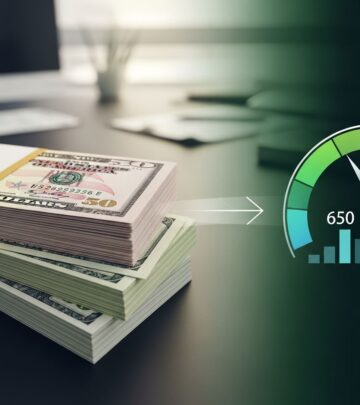
- Credit Score Hits: Increased utilization above 30% signals risk to scorers; missed payments worsen FICO.
- Overlooked Transactions: P2P transfers or bill pays may trigger advance fees unexpectedly.
- No Rewards: Forgoes cashback or points on purchase-like spends.
Payday variants often exceed 400% APR equivalents, trapping low-income users in loops.
Wiser Alternatives for Urgent Funds
Steer clear of advances when possible; consider these:
- Personal Loans: Fixed rates from banks, often 10-15% APR with terms up to 60 months.
- Balance Transfers: 0% intro APR offers shift debt affordably.
- Peer-to-Peer Lending: Platforms match borrowers with investors at competitive rates.
- Overdraft Protection: Linked accounts cover shortfalls cheaper than advances.
- Emergency Savings: Build buffers to avoid borrowing altogether.
For businesses, invoice factoring or SBA microloans provide structured relief without daily sales cuts.
Frequently Asked Questions
Do cash advances build credit?
Timely repayments can positively affect payment history (35% of FICO), but high utilization hurts short-term scores.
What’s the cash advance limit?
Usually 20-50% of credit line; varies by issuer and account history.
Can I avoid cash advance fees?
Ask issuers for waivers or use debit for true cash needs; opt for low-fee cards.
Are all ATM withdrawals advances?
Debit yes, credit no—confirm card type.
How quickly must I repay?
No fixed term; treat as revolving debt, prioritizing payoff to minimize interest.
Strategies for Responsible Borrowing
To leverage advances wisely, if unavoidable:
- Compare issuer rates/fees beforehand.
- Pay beyond minimums targeting advance balance.
- Track via apps for real-time balances.
- Use sparingly for true emergencies.
Long-term, cultivate emergency funds covering 3-6 months’ expenses to sidestep high-cost options.
References
- Cash Advance explained | Swoop US — Swoop Funding. 2025. https://swoopfunding.com/us/business-glossary/cash-advance/
- Cash advance: What it is and alternatives to consider – H&R Block — H&R Block. 2025. https://www.hrblock.com/tax-center/around-block/financial-products/what-is-a-cash-advance/
- Cash Advance: Understanding Its Legal Definition and Implications — US Legal Forms. 2025. https://legal-resources.uslegalforms.com/c/cash-advance
- How do credit card cash advances work — Chase Bank. 2025-02-01. https://www.chase.com/personal/credit-cards/education/basics/how-do-credit-card-cash-advances-work
- What is a Cash Advance on a Credit Card? — TD Bank. 2025. https://www.td.com/us/en/personal-banking/learning/what-is-cash-advance-on-a-credit-card
- The Pros and Cons of Cash Advances — Horizon Credit Union. 2025. https://advice.hzcu.org/money-management/banking/article/the-pros-and-cons-of-cash-advances
Similar Articles








Read full bio of medha deb