Cash Advances on Credit Cards: What Happens Next
Discover the hidden costs and risks of using your credit card for cash withdrawals before you make a costly mistake.

Using a credit card to withdraw cash might seem like a fast solution in emergencies, but it triggers a series of financial consequences that can quickly escalate debt. This process, known as a cash advance, adds immediate fees and high-interest charges to your balance, often without the grace period protections of regular purchases.
Understanding the Basics of Credit Card Cash Advances
A cash advance allows cardholders to access funds from their credit line in the form of physical cash, typically at an ATM, bank branch, or through other methods. Unlike standard purchases where you buy goods or services, this transaction converts available credit directly into spendable money, which then becomes part of your revolving balance.
Most credit cards offer this feature, but availability depends on your issuer’s terms. The withdrawn amount reduces your available credit immediately, and it’s subject to a specific cash advance limit, often lower than your overall credit limit—sometimes as little as 20-50% of it. Always review your card agreement to confirm eligibility before attempting a withdrawal.
Step-by-Step: How to Perform a Cash Advance
Executing a cash advance is straightforward but requires preparation. Here’s a detailed guide based on common practices:
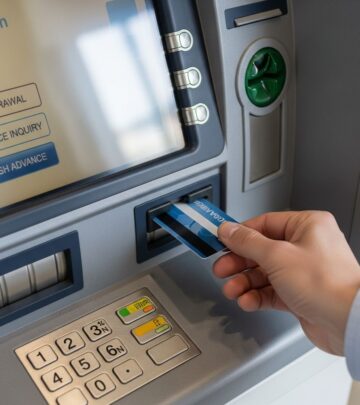
- Prepare your PIN: Many cards require a PIN for ATM use. If you don’t have one, contact your issuer to set or reset it.
- Locate an ATM or bank: Find a machine or branch that accepts credit cards for advances. Not all do, so check networks like Visa or Mastercard.
- Insert card and enter PIN: Treat it like a debit transaction.
- Select cash advance option: Choose ‘credit’ if prompted, then enter the desired amount within your limit.
- Acknowledge fees: Screens often display costs upfront; confirm to proceed.
- Collect cash: Take your money and receipt, noting the transaction details.
For in-branch withdrawals, bring photo ID and your card. Call ahead to verify the bank’s participation. Some issuers also offer online transfers to linked accounts or convenience checks mailed to you.
The Immediate and Hidden Costs Involved
Cash advances come with steep price tags that make them far more expensive than alternatives. Expect these charges:
- Cash advance fee: Typically 3-5% of the amount or a flat $10 minimum, whichever is higher.
- ATM surcharge: Additional $2-5 from the machine operator.
- Higher APR: Rates often exceed 25-30%, applied right away without grace periods.
Interest accrues daily from the transaction moment, compounding the debt rapidly. For example, withdrawing $500 at 25% APR with a 4% fee adds $20 upfront, plus ongoing interest.
| Fee Type | Typical Range | Example on $300 Withdrawal |
|---|---|---|
| Cash Advance Fee | 3-5% or $10 min | $12 (4%) |
| ATM Fee | $2-5 | $3 |
| Interest (daily at 25% APR) | 0.068% per day | $0.20/day |
This table illustrates costs from major issuers; actuals vary.
Why Interest Starts Instantly and Grace Periods Don’t Apply
Regular credit card purchases benefit from a grace period—often 21-25 days—before interest kicks in, provided you pay in full. Cash advances bypass this entirely. Interest begins accruing the day of withdrawal, calculated daily on the balance.
This no-grace rule stems from issuers treating advances as higher-risk loans, similar to payday loans. Partial payments apply first to lower-interest purchases, leaving advance balances to grow.
Impact on Your Credit Score and Financial Health
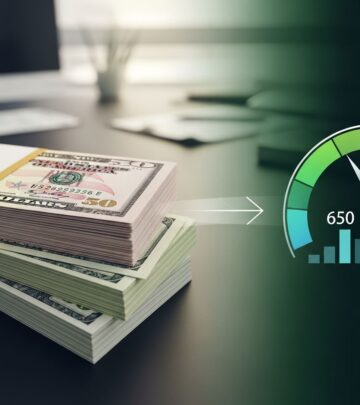
Beyond direct costs, cash advances harm your credit profile. They spike credit utilization ratios, a key scoring factor (30% of FICO scores). High utilization above 30% signals risk to lenders.
Frequent advances may flag you for riskier borrower status, potentially leading to limit reductions or account reviews. They don’t build positive payment history like on-time purchases do.
Common Pitfalls and Real-World Scenarios
Many fall into traps assuming advances are ‘free money.’ Consider:
- Impulse during shortages: A $200 weekend withdrawal balloons to $250+ in months due to fees and interest.
- Chasing payments: Using one card’s advance to pay another’s minimum creates a debt cycle.
- Over-limit surprises: Advance limits catch users off-guard, leading to declined transactions and fees.
Track statements closely; advances often post separately for easy spotting.
Smart Alternatives to Avoid Cash Advances
Steer clear of advances with these options:
- Personal loans: Fixed rates often under 15%, with longer terms.
- 0% balance transfers: Move debt to promo APR cards.
- Cash-back rewards: Redeem points as statement credits or deposits, not advances.
- Debit or linked accounts: Use checking for true liquidity.
- Peer-to-peer lending: Platforms like LendingClub offer competitive rates.
Build an emergency fund covering 3-6 months’ expenses to eliminate the need.
Regulatory Protections and What to Watch For
U.S. regulations under the CARD Act mandate clear fee disclosures and limit advances to available credit. However, no caps exist on rates or fees, varying by state. Internationally, similar rules apply, like EU caps on interchange fees.
Report discrepancies to your issuer promptly. Monitor for unauthorized advances, which could indicate fraud.
Frequently Asked Questions
Can all credit cards provide cash advances?
Most do, but secured or student cards may not. Check your terms.
Does a cash advance affect my credit score?
Yes, primarily through higher utilization.
Are there daily limits on advances?
Often yes, tied to ATM or card rules, e.g., $500/day.
Can I pay off a cash advance early to save interest?
Yes, but fees are non-refundable.
Is cashback at stores a cash advance?
Usually no, if part of a purchase.
Strategies for Responsible Credit Management
To thrive financially:
- Pay balances monthly to leverage grace periods.
- Use apps tracking utilization in real-time.
- Compare issuer APRs annually.
- Opt for cards with low advance fees if unavoidable.
Empower yourself with knowledge—cash advances are tools of last resort.
References
- How To Get Cash From A Credit Card At The ATM — Bankrate. 2023-10-15. https://www.bankrate.com/credit-cards/advice/how-to-get-cash-from-a-credit-card/
- How to withdraw money from a credit card — Wise. 2024-05-20. https://wise.com/gb/blog/how-to-withdraw-money-credit-card
- Can you Withdraw Cash From a Credit Card? — Citi. 2024-02-10. https://www.citi.com/credit-cards/understanding-credit-cards/how-to-get-cash-from-a-credit-card
- What Is a Cash Advance on a Credit Card? — Discover. 2024-01-05. https://www.discover.com/credit-cards/card-smarts/cash-advance-on-credit-card/
- What is a Cash Advance on a Credit Card? — TD Bank. 2023-11-12. https://www.td.com/us/en/personal-banking/learning/what-is-cash-advance-on-a-credit-card
- Credit Card Cash Advance: What It Is & How It Works — Chase Bank. 2024-03-18. https://www.chase.com/personal/credit-cards/education/basics/how-do-credit-card-cash-advances-work
- What is a Credit Card Cash Advance and the Associated Fees? — Bank of America. 2023-12-01. https://bettermoneyhabits.bankofamerica.com/en/credit/what-is-a-credit-card-cash-advance
Similar Articles








Read full bio of medha deb