Carpooling: Save $3,120 A Year Like This Couple
Discover how one couple slashed commuting costs by $3,120 annually through smart carpooling strategies and shared rides to work.

A dedicated couple transformed their daily commute into a major savings opportunity by implementing a simple carpooling strategy, cutting their annual expenses by an impressive
$3,120
. This real-world example highlights the financial power of shared rides, especially amid rising fuel prices and commuting challenges faced by millions of Americans.The Hidden Cost of Commuting Alone
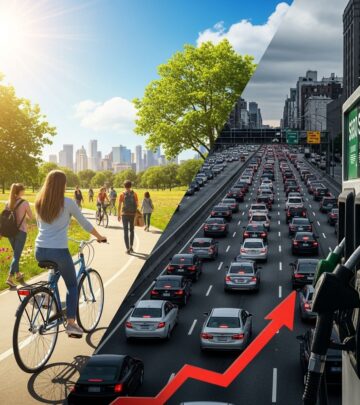
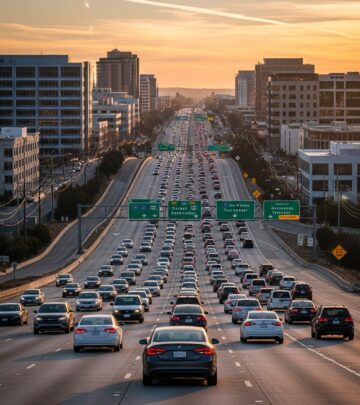
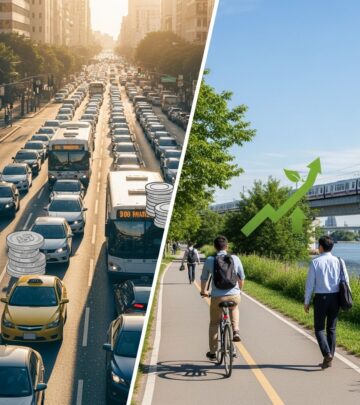
Commuting solo in a personal vehicle often feels convenient, but it comes with a hefty price tag. In the U.S., cars dominate due to urban planning that prioritizes roadways over efficient public options. Buses or trains may be cheaper but frequently take longer and drop you short of your destination.
To quantify this, calculate your commute’s true cost: multiply your hourly wage by round-trip commute time. This reveals how many paid hours are lost to travel. For driving costs, the average monthly breakdown includes:
| Type of Cost (Monthly) | Average Cost |
|---|---|
| Gas | $179.90 |
| Insurance | $132.33 |
| Maintenance | $96.80 |
| Tolls | $50 |
| Auto Loan | $54.80 |
| Registration | $10 |
| Taxes | $40 |
| Total | $563.83 |
These figures encompass gas, insurance, repairs, registration, fees, taxes, and loan payments—many of which are fixed regardless of usage. Wear and tear accelerates with daily drives, adding hidden long-term expenses.
Public Transportation: A Viable Alternative?
Only 2.5% of Americans use public transit for work, per census data, due to limited availability outside major cities. Costs vary by location; for instance, Denver’s RTD regional pass runs $200 monthly. Schedules can be unreliable, and travel times often double or triple compared to driving.
Check local options for fares, routes, and passes. While not ideal everywhere, it beats solo driving in accessible areas, potentially saving hundreds monthly when factoring in no gas or parking fees.
Carpooling: The Couple’s Game-Changer
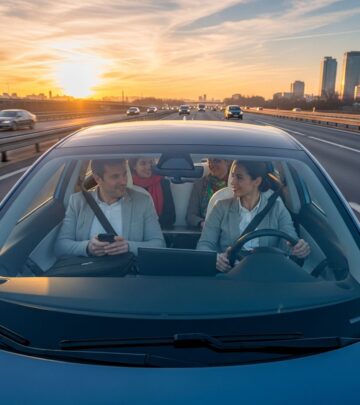
About 8% of commuters carpool, sharing rides with coworkers or neighbors. This approach splits variable costs like gas and tolls, often halving them, while fixed costs like insurance remain similar.
Meet Sarah and Mike, a couple whose story exemplifies success. Both worked 25 miles from home in opposite directions but discovered overlapping routes via colleagues. They alternated driving days, sharing gas and maintenance burdens. Result?
$260 monthly savings
, totaling$3,120 annually
—enough for emergencies, vacations, or debt payoff.Their routine:
- Mondays/Wednesdays: Sarah drives Mike’s coworker group.
- Tuesdays/Thursdays: Mike drives Sarah’s team.
- Fridays: Flexible solo or public transit.
Benefits extended beyond money: reduced stress, built friendships, and lower emissions. They tracked expenses via apps, confirming savings and motivating consistency.
In theory, tripling passengers cuts costs to one-third, but fixed expenses limit this. Still, gas savings alone make it worthwhile.
Biking to Work: Low-Cost Fitness Boost
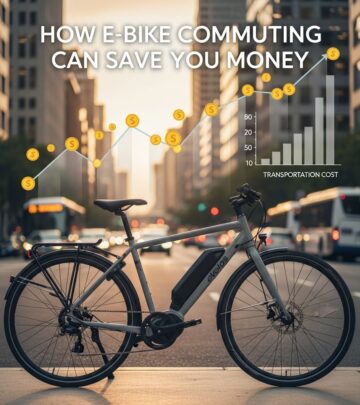
Biking costs about $0.15 per mile (inflation-adjusted from 2011 estimates), making a 40-mile daily round trip just $150 monthly—far below driving. For shorter 4-mile commutes (15-20 minutes), it’s only $7.50 monthly, plus health gains like fewer ailments.
Realistically suited for nearby workplaces, biking slashes expenses dramatically while providing exercise. Communities increasingly add bike lanes, enhancing safety.
Walking: The Ultimate Free Commute
Walking eliminates nearly all costs—no gas, maintenance, registration, or tolls. Time is the main factor, but for short distances, it’s ideal. Health insurance isn’t typically commute-related, so expenses approach zero.
Combine with remote workdays for hybrid savings.
Additional Tips to Maximize Commuting Savings
Beyond mode switches, smart habits amplify results:
- Maintain your vehicle: Regular oil changes and tire rotations prevent costly repairs.
- Shop insurance annually: Switching providers can save $200+ yearly; bundle for more.
- Fuel rewards: Earn 10 cents/gallon back, saving $50 on 500 gallons.
- Rideshares/carpools: Apps connect riders; even occasional use cuts solo drives.
- Flexible work: Negotiate hybrid schedules to minimize trips.
These stackable strategies, like the couple’s, compound into thousands saved yearly.
Frequently Asked Questions (FAQs)
Q: How much can carpooling really save?
A: A couple saved $3,120 yearly by sharing rides, halving gas and tolls. Savings scale with distance and group size.
Q: Is public transportation cheaper than driving?
A: Often yes, like $200/month passes vs. $564 driving averages, but check local availability and time costs.
Q: What’s the cheapest commute option?
A: Walking or biking for short trips—near zero cost with health perks. Carpooling wins for longer distances.
Q: How do I start carpooling?
A: Use coworker networks, apps, or company programs. Track shared costs fairly for sustainability.
Q: Does biking to work save on insurance?
A: No direct savings, but overall vehicle costs plummet; health improvements offset potential medical expenses.
Why Commuting Savings Matter Now
With inflation pressuring budgets, rethinking commutes yields quick wins. The couple’s story proves small changes—like alternating drives—unlock big rewards. Combine with maintenance, rewards, and alternatives for optimal results.
Start calculating your costs today: wage x time + expenses. Experiment with one change weekly to build momentum toward financial freedom.
References
- The Cost of Commuting: We Compare Driving, Public Transportation… — The Penny Hoarder. 2023. https://www.thepennyhoarder.com/save-money/cost-of-commuting/
- How to Save Money: 25 Proven Tips That Actually Work — The Penny Hoarder. 2025. https://www.thepennyhoarder.com/save-money/how-to-save-money/
- 4 tips to save if you’re returning to the office — The Week. 2023. https://theweek.com/personal-finance/save-return-office-work-commute-benefits
- Carpooling Can Help You Save Big: For This Couple, $3120 a Year — The Penny Hoarder. 2025-12-19. https://www.thepennyhoarder.com/save-money/carpooling-helps-couple-save-big/
Similar Articles








Read full bio of Sneha Tete