Cardless ATM Technology: Security & Convenience
Discover how modern ATMs authenticate users without physical cards
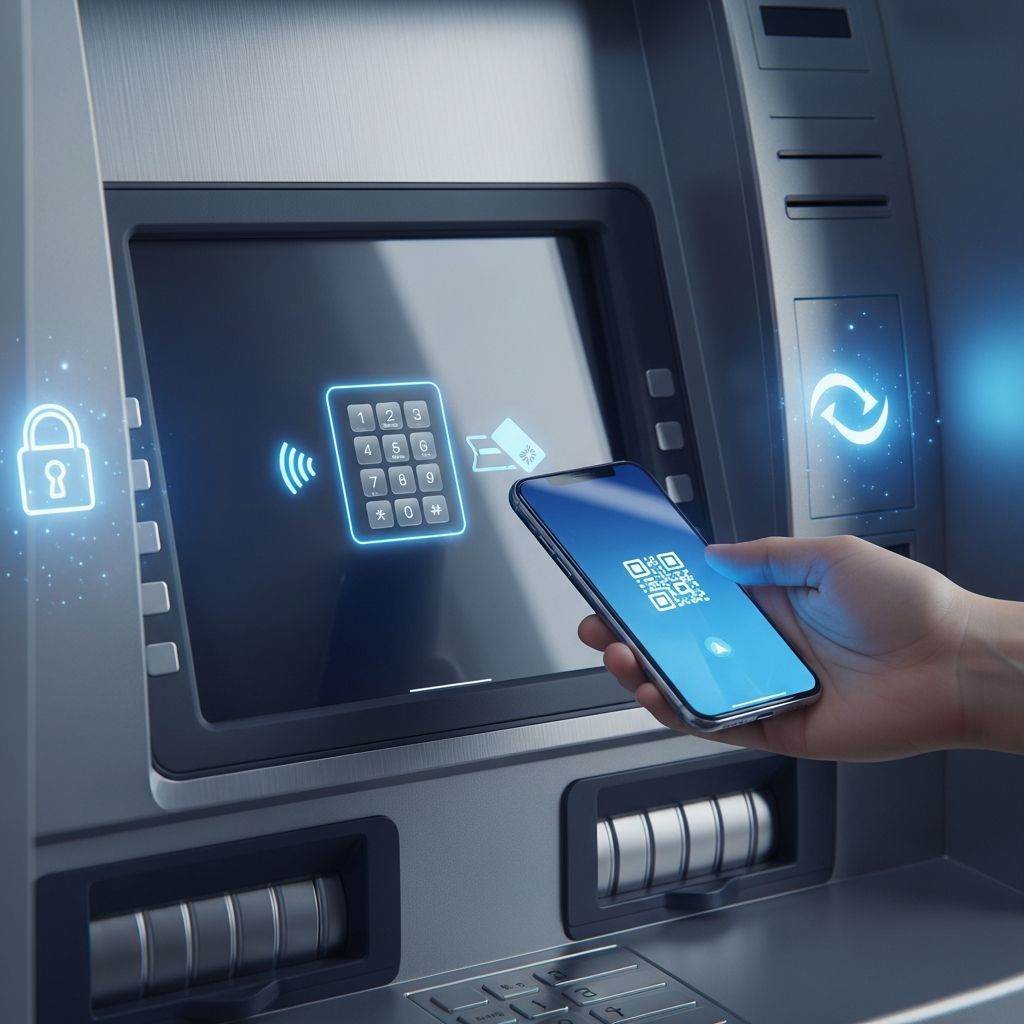
The banking industry continues to evolve at a rapid pace, with technological innovations transforming how customers interact with their financial institutions. One significant advancement gaining widespread adoption is the cardless ATM—a machine that enables account holders to withdraw funds and perform essential transactions without inserting a physical debit card. This shift represents a fundamental change in how people access their money, offering both convenience and enhanced security measures.
What Defines a Cardless ATM?
A cardless ATM, frequently referred to as a contactless ATM, represents a modern evolution of traditional automated teller machines. Unlike conventional ATMs that require users to insert a physical card into a slot, these advanced machines verify a customer’s identity through digital authentication methods instead. The fundamental concept is straightforward: customers use their smartphones or wearable devices equipped with digital wallets to authorize transactions at machines specifically designed to accept such digital credentials.
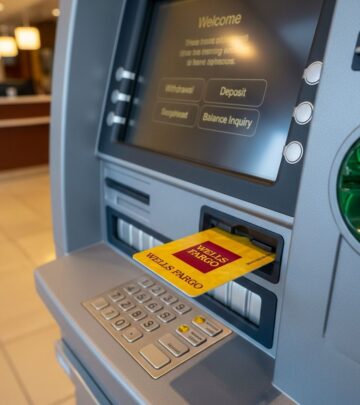
Most contemporary cardless ATMs maintain the physical appearance of standard machines, including traditional card slots for users who still prefer conventional methods. However, their underlying technology enables an entirely different transaction pathway that eliminates the need for plastic cards altogether. This dual capability means financial institutions can update existing infrastructure without completely replacing entire ATM networks.
Core Technologies Enabling Cardless Transactions
Several distinct technological approaches power cardless ATM systems, each with unique advantages and implementation requirements. Understanding these mechanisms helps explain how modern banking maintains security while improving accessibility.
Near-Field Communication (NFC) Technology
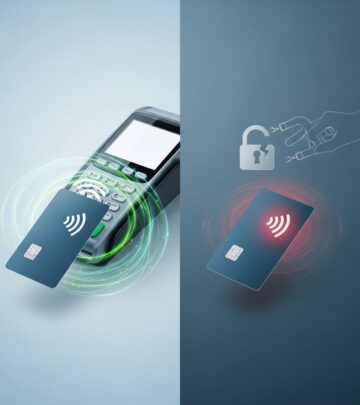
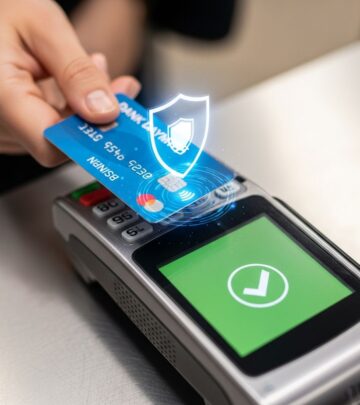
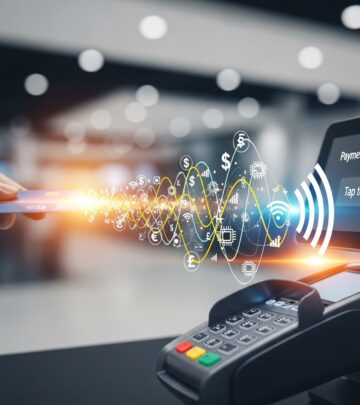
Near-field communication represents one of the most intuitive cardless ATM technologies available today. This wireless communication standard allows two devices to exchange data when positioned in close proximity to each other—typically within a few inches. When a customer approaches an NFC-enabled ATM while holding their smartphone, the two devices can establish a secure connection instantaneously.
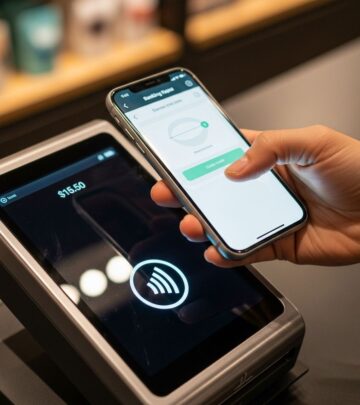
The user experience with NFC ATMs follows a predictable pattern. After locating the contactless symbol displayed on the machine (which features four curved lines of increasing size), the customer holds their smartphone against this designated area. The banking application on the phone communicates with the ATM, transmitting account information securely. Following this digital handshake, the machine prompts the user to enter their personal identification number, exactly as they would with a traditional card transaction. Once the PIN is verified, the cash withdrawal or other requested transaction proceeds normally.
Quick Response Code Verification
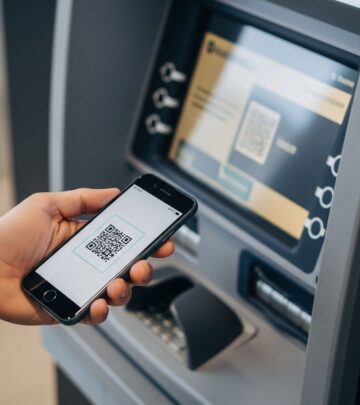
QR code-based cardless ATMs employ a different authentication mechanism that many users find equally straightforward. When a customer initiates a transaction on their banking application, the ATM displays a unique QR code on its screen. The user then launches their mobile banking application and scans this displayed code using their smartphone’s camera.
This scanning action serves multiple security purposes simultaneously. First, it confirms that the customer is physically present at the specific ATM machine, preventing unauthorized remote transactions. Second, it verifies that the person attempting to access the account possesses both the correct smartphone and the legitimate banking application. The scanning process essentially authorizes the transaction, after which the customer typically enters their PIN to confirm their identity. One significant advantage of this approach involves the temporal security it provides—each QR code generated by an ATM is typically valid for only a limited duration, often around thirty minutes, after which it expires automatically.
One-Time Verification Codes
Many banking institutions employ verification code systems as an alternative authentication method for cardless ATM access. When a customer opens their banking application and selects the option to withdraw cash, the application generates a unique, single-use code. This temporary code must be entered directly into the ATM’s numeric keypad, along with the customer’s standard PIN, to complete the transaction.
The security architecture of this system hinges on time-sensitive access. Each verification code remains active only for a predetermined window, typically ranging from fifteen to thirty minutes. This temporal limitation means that if someone obtains the code through unauthorized means, they have only a narrow window to attempt misuse before the code becomes invalid. Furthermore, each code functions only once—after it’s used for a transaction, that particular code becomes permanently unusable, even if someone later obtains it.
Biometric Authentication Methods
Advanced cardless ATMs increasingly incorporate biometric verification systems that leverage unique physical or behavioral characteristics for user identification. These systems can authenticate users through facial recognition technology, fingerprint scanning, or even retina analysis. When a customer approaches such an ATM, the machine uses its integrated biometric sensors to confirm their identity before permitting any transactions.
This approach offers particular advantages for users concerned about memorizing multiple codes or carrying their smartphones. Some banking institutions now store customer biometric data securely in their systems, enabling registered users to simply present their face or fingerprint at the machine to verify their identity. The biometric data never travels across networks or gets stored on the ATM itself; instead, the machine transmits a biometric template to secure banking servers that confirm whether the presented biometric matches the enrolled data for the account holder requesting access.
The Operational Workflow of Cardless ATM Transactions
Understanding how a cardless ATM transaction unfolds from initiation to completion provides valuable insight into the system’s design. The process typically begins before the customer even approaches the machine.
Initially, the customer opens their bank’s mobile application on their smartphone and selects the option to withdraw cash or perform another transaction. Depending on the specific technology employed by their financial institution, they may generate a verification code, prepare a QR code for scanning, or simply prepare their phone to transmit NFC information. This preliminary step ensures that the customer’s bank knows to expect an imminent transaction and has validated the customer’s initial identity through whatever authentication methods they’ve already established with the application—perhaps a fingerprint scan or password login.
When the customer arrives at the cardless ATM, they locate the contactless symbol or other designated area and position their smartphone appropriately. The exact action varies by technology type: NFC users tap their phone against the reader, QR code users scan the machine’s display, or biometric users present their face or finger to a sensor. The ATM then communicates with the banking network to confirm that a legitimate transaction request matches the customer’s current location and submitted credentials.
After this digital authentication completes successfully, the ATM requests the customer’s PIN, just as traditional machines do. This additional security layer ensures that even if someone possessed another person’s phone, they couldn’t access the account without knowing the correct PIN. Once the PIN is verified, the transaction proceeds to completion, with the machine dispensing the requested cash amount or performing any other permitted operation.
Security Advantages of Cardless Technology
The transition to cardless ATM systems provides customers with meaningful security enhancements compared to traditional card-based access methods.
- Reduction of card skimming risks: Traditional ATM cards can be stolen or duplicated through skimming devices—fraudulent hardware placed over legitimate card readers to capture card data. Cardless systems eliminate this vulnerability entirely since no physical card is inserted into any reader.
- Temporary credential validity: Verification codes and QR codes function only once and expire after brief periods, meaning stolen credentials become useless quickly. Traditional cards, by contrast, remain valid indefinitely until explicitly reported as lost or stolen.
- Multiple authentication factors: Cardless transactions typically require customers to possess their smartphone, know their PIN, and often provide additional verification. This multi-factor authentication significantly raises the barrier to unauthorized access.
- Remote transaction monitoring: Banking applications can track cardless transactions in real-time, allowing institutions to detect unusual patterns immediately and alert customers to potential fraud.
- Biometric irreproducibility: Unlike cards that can be lost or stolen, or PINs that might be guessed, biometric characteristics are inherent to the individual and cannot be easily replicated.
Convenience Benefits for Users
Beyond security improvements, cardless ATMs offer practical convenience advantages that appeal to modern customers.
| Convenience Factor | How Cardless ATMs Improve This |
|---|---|
| Forgotten Cards | Users need only their smartphone, which they typically carry everywhere anyway. Forgotten wallets are no longer problematic for cash access. |
| Multiple Account Access | Digital wallets can store credentials for numerous accounts simultaneously. Users can access any account they want without needing to carry multiple physical cards. |
| Transaction Speed | Tapping a phone or scanning a code can be faster than removing a card from a wallet, inserting it, removing it again, and putting it back away. |
| Wearable Device Compatibility | Some systems work with smartwatches and other wearables, enabling even faster transactions without removing any items from pockets or bags. |
| Damage Prevention | Physical cards deteriorate over time through repeated usage. Cardless access eliminates wear and tear on plastic cards. |
Implementation Across Financial Institutions
Most major banking organizations now offer cardless ATM capabilities through their mobile applications. The implementation process varies depending on the specific technology chosen and the existing ATM infrastructure maintained by each institution.
For some banks, cardless technology represents a software-only upgrade to existing machines. The ATM hardware remains unchanged; only the software is updated to recognize and process digital authentication credentials rather than physical cards. This approach minimizes implementation costs and allows rapid deployment across large ATM networks without significant disruption.
Other financial institutions choose to install completely new ATM models with integrated contactless readers and biometric sensors from the ground up. While this approach requires greater capital investment, it enables a more cohesive user experience optimized specifically for digital transactions.
Frequently Asked Questions About Cardless ATMs
Do I need a smartphone to use a cardless ATM?
Most cardless ATM systems do require a smartphone with the appropriate banking application installed. However, some institutions support wearable devices with built-in NFC capabilities, like certain smartwatches. Customers who don’t possess compatible devices will need to use traditional card-based ATM access.
What happens if my phone battery dies while I’m at the ATM?
If your smartphone’s battery is depleted, you cannot complete a cardless transaction. This represents a potential limitation of the system. Many users maintain backup access methods, such as carrying a physical debit card, to avoid being locked out of their funds.
Are cardless ATM transactions as secure as traditional card transactions?
Cardless transactions generally offer equal or superior security compared to traditional card-based access. The multiple authentication factors, temporary credential validity, and absence of physical card skimming vulnerabilities all contribute to robust security. However, users must maintain security practices such as protecting their PIN and securing their smartphone against theft or unauthorized access.
Can I use cardless ATMs from any bank?
Typically, you can use cardless ATMs from banks other than your own, provided both institutions support the same authentication technology and have established network partnerships. However, availability varies by geographic region and specific bank combinations. Your banking application will usually indicate which ATMs support cardless access.
How do I enable cardless withdrawals on my account?
Most banking applications include a straightforward enrollment process for cardless ATM access. Users typically navigate to the security or settings section of their banking app and follow prompts to enable cardless transactions. Some institutions require a phone call to verify identity before activating this feature.
The Future of Cardless Banking
As technology continues to advance and consumer preferences shift toward digital solutions, cardless ATMs represent just one facet of broader changes transforming the banking landscape. The convenience, security, and technological sophistication of these systems position them to become increasingly prevalent in the coming years.
Financial institutions recognize that offering diverse transaction methods accommodates diverse customer preferences. While some users enthusiastically embrace cardless technology, others may prefer traditional approaches. By maintaining support for both systems, banks ensure accessibility for all customers while gradually introducing newer technologies to those interested in adopting them.
The continued evolution of biometric authentication, improvements in NFC standardization, and enhanced mobile banking applications will likely make cardless transactions increasingly seamless and secure. As these systems mature and become more widespread, they may eventually become the default method for ATM access, with physical cards serving as backup options rather than primary access mechanisms.
References
- Cardless ATMs: How They Work, Top Pros And Cons — Bankrate. 2024. https://www.bankrate.com/banking/how-do-cardless-atms-work/
- What is a cardless ATM? The 411 on how to use and find them — PayPal Money Hub. 2024. https://www.paypal.com/us/money-hub/article/what-is-a-cardless-atm
- What Is a Cardless ATM? Your Guide to Contactless Withdrawals — SoFi. 2024. https://www.sofi.com/learn/content/what-is-a-cardless-withdrawal/
- What Is a Cardless ATM? — American Express. 2024. https://www.americanexpress.com/en-us/credit-cards/credit-intel/cardless-atm/
- How Do Cardless ATMs Work? — Experian. 2024. https://www.experian.com/blogs/ask-experian/how-do-cardless-atms-work/
Similar Articles








Read full bio of Sneha Tete