Car Warranty or Insurance: Key Differences
Discover how car warranties and insurance differ in coverage, costs, and when to use each to protect your vehicle effectively.

Car warranties and auto insurance both aim to safeguard vehicle owners from unexpected repair costs, but they address entirely different risks. Warranties focus on mechanical failures and defects, while insurance handles damage from accidents, theft, and other external events. Understanding these distinctions helps drivers make informed decisions about their coverage needs.
Understanding Auto Insurance Fundamentals
Auto insurance is a legal requirement in nearly all U.S. states, except New Hampshire, designed to protect against financial losses from accidents and liabilities. Policies typically renew every six to twelve months and include several core components that respond to sudden, unpredictable incidents.
Key types of coverage include:
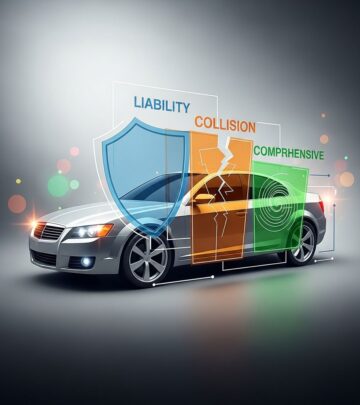
- Liability coverage: Pays for injuries or property damage you cause to others in an at-fault accident, covering medical bills, vehicle repairs, or structural damage.
- Collision coverage: Repairs or replaces your car after crashing into another vehicle or object, regardless of fault.
- Comprehensive coverage: Handles non-collision damage like theft, fire, vandalism, severe weather, or animal strikes.
- Uninsured/underinsured motorist coverage: Protects you if hit by a driver lacking sufficient insurance.
- Medical payments or personal injury protection (PIP): Covers medical expenses for you and passengers, with PIP available in no-fault states.
Most policies require a deductible, an out-of-pocket amount paid before coverage kicks in. Insurance does not cover routine wear, mechanical breakdowns, or manufacturer defects, leaving those gaps for other protections.
Exploring Types of Car Warranties
A car warranty is the manufacturer’s or dealer’s promise to repair specific defects or breakdowns at no or low cost to the owner. New vehicles come with a factory warranty included in the purchase price, often lasting three years or 36,000 miles, though some extend to 10 years or 100,000 miles depending on the brand.
Warranties break down into main categories:
- Bumper-to-bumper warranty: Broad protection for most components like electronics, air conditioning, and interior features, excluding normal wear items such as tires and brakes.
- Powertrain warranty: Targets critical systems including the engine, transmission, and drivetrain, often with longer duration than bumper-to-bumper.
- Extended or service contracts: Purchased after the factory warranty expires, available from manufacturers, dealerships, or third-party providers; customizable but may include deductibles.
Certified pre-owned vehicles often carry renewed factory warranties. Coverage excludes routine maintenance like oil changes, tire rotations, or brake pad replacements.
Core Distinctions: Warranty vs. Insurance Coverage
The primary divergence lies in trigger events: insurance activates for external perils, while warranties apply to internal failures. Here’s a detailed comparison:
| Aspect | Car Insurance | Car Warranty |
|---|---|---|
| Legal Requirement | Yes, in most states | No |
| Main Coverage | Accidents, theft, weather, liability | Mechanical defects, wear-and-tear breakdowns |
| Exclusions | Mechanical issues, routine maintenance | Accidents, normal wear items like brakes/tires |
| Duration | Renewable 6-12 months | 3 years typical; extended varies |
| Purchase Timing | Anytime | New car included; extended post-factory |
| Providers | Insurance companies/agents | Manufacturers/dealerships/third-parties |
This table highlights how insurance prioritizes liability and collision risks, whereas warranties target component longevity.
When Insurance Pays First in Repair Scenarios
In combined damage cases, insurance usually leads. For instance, if an accident damages both the body and engine, your collision coverage handles external repairs first, potentially subrogating mechanical fixes if unrelated to the crash. Warranty claims follow only for non-accident issues, preventing double-dipping.
Vehicle protection plans from insurers can bridge gaps post-warranty, mimicking extended coverage for breakdowns.
Costs and Value Considerations
Insurance premiums vary by driving record, location, vehicle type, and coverage levels, often $1,500-$2,000 annually on average. Lapses can raise rates or lead to fines.
Extended warranties cost $1,000-$3,000 upfront or financed, with potential deductibles of $100-$250 per claim. Weigh value by checking factory terms first—many drivers skip extensions if vehicles are reliable. Read fine print for exclusions and transferability.
Pros and Cons of Each Protection Type
Auto Insurance Pros:
- Mandatory protection against lawsuits and major losses.
- Customizable with add-ons like roadside assistance.
- Financial security for third-party claims.
Auto Insurance Cons:
- Doesn’t cover breakdowns.
- Rising premiums after claims.
- Deductibles apply to most repairs.
Warranty Pros:
- Targets expensive mechanical repairs.
- Peace of mind for new/used cars.
- Often no or low deductibles initially.
Warranty Cons:
- Limited duration and mileage.
- Strict eligibility rules.
- Not transferable in some cases.
Many opt for both, especially older vehicle owners.
Strategies for Optimal Vehicle Protection
Layer protections: Maintain minimum liability insurance, add collision/comprehensive for financed cars, and consider warranties for high-mileage drives. Shop insurers online or via agents; compare warranty quotes from multiple vendors. Regular maintenance preserves warranty validity and prevents claims.
Frequently Asked Questions
Is a car warranty the same as extended insurance?
No, warranties cover defects and breakdowns, not accidents like insurance.
Can I buy car insurance after an accident?
Yes, but pre-existing damage isn’t covered; act proactively.
Does insurance cover engine failure?
Typically no, unless from a covered event like fire; warranties handle this.
Are extended warranties worth it?
Depends on vehicle reliability and your risk tolerance; research specifics.
What if my car is totaled?
Insurance pays actual cash value minus deductible; warranties don’t apply.
Final Thoughts on Comprehensive Coverage
Pairing insurance with a suitable warranty creates a robust shield against most vehicle risks. Assess your driving habits, car age, and budget to tailor protection effectively, ensuring long-term savings and reliability on the road.
References
- Car Warranty vs. Car Insurance — Progressive. 2024. https://www.progressive.com/answers/car-warranty-vs-car-insurance/
- Car Warranty vs. Car Insurance: What’s the Difference? — Experian. 2024. https://www.experian.com/blogs/ask-experian/car-warranty-vs-car-insurance/
- Car Warranty vs Car Insurance: Key Differences — Allstate. 2024. https://www.allstate.com/resources/car-insurance/car-warranty-vs-car-insurance
- Car insurance vs warranty — Liberty Mutual. 2024. https://www.libertymutual.com/insurance-resources/auto/car-insurance-vs-warranty
- Car Warranty vs Car Insurance: Understanding the Difference — Weaver Insurance. 2024. https://www.weaverinsurance.com/car-warranty-vs-car-insurance-understanding-the-difference/
Similar Articles








Read full bio of Sneha Tete