Car Vibrations: 6-Step Diagnostic Guide To Fix Shaking Issues
Discover the root causes of vehicle shaking, from tires to engine issues, and learn how to diagnose and fix them for safer driving.
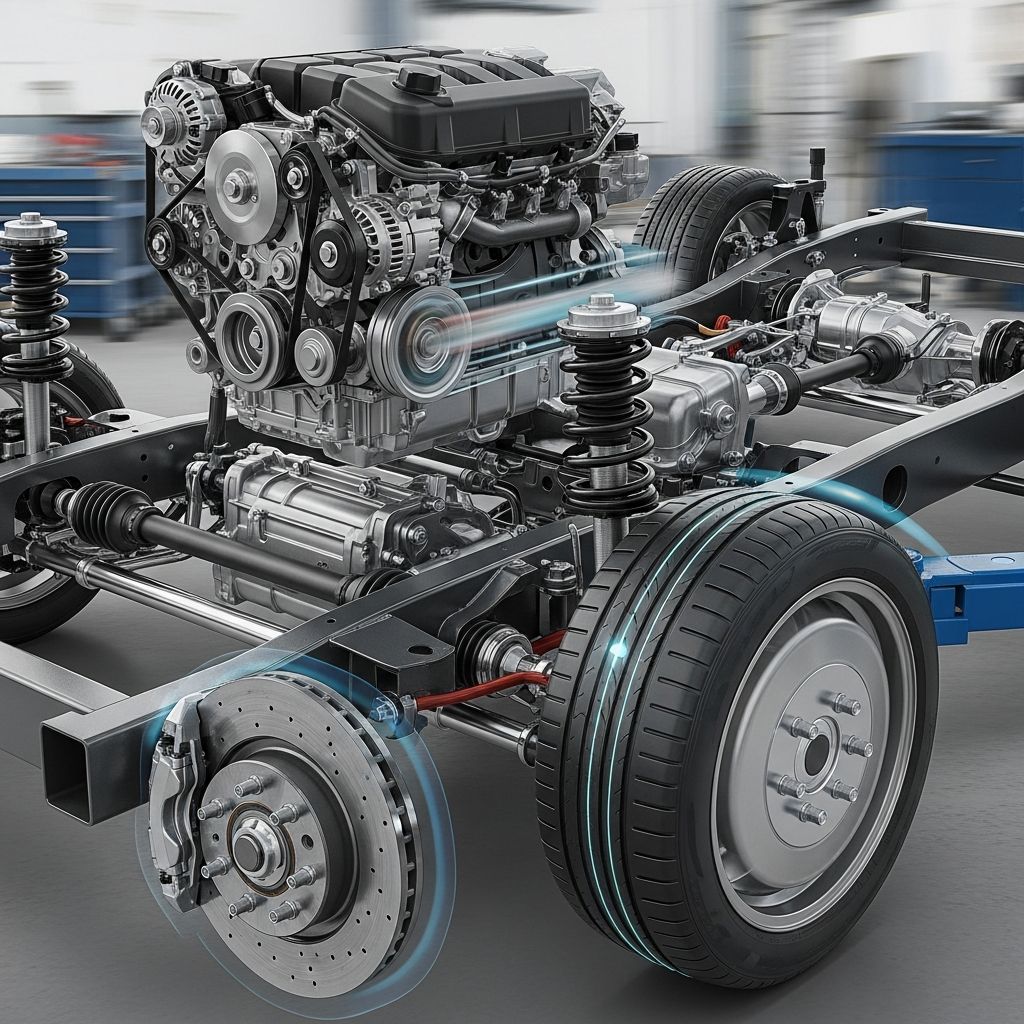
Vehicle vibrations signal underlying mechanical problems that compromise safety and performance. These tremors often stem from components like tires, brakes, suspension, or the engine losing their optimal function. Prompt identification prevents minor issues from escalating into costly repairs or hazardous situations.
Primary Triggers Behind Steering Wheel Tremors
Steering wheel shaking typically emerges at specific speeds or conditions, pointing to front-end disturbances. Imbalanced tires top the list, where uneven weight distribution creates rhythmic pulses felt through the wheel, intensifying above 50 mph. Bent rims from road hazards like potholes exacerbate this by causing wobbles during rotation.
Wheel alignment discrepancies force tires to contact the road unevenly, amplifying vibrations during turns or straight-line travel. Loose lug nuts, often overlooked, allow wheels to shift, generating dangerous instability at highway speeds. Regular torque checks post-tire services mitigate these risks.
Highway Speed Shudders: Tire and Wheel Culprits
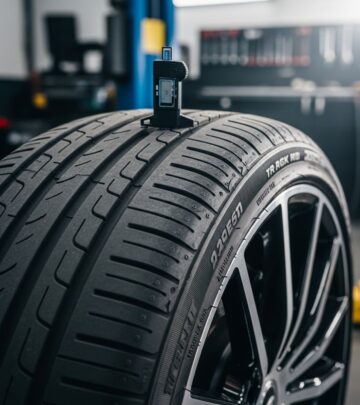
At elevated velocities, shaking frequently traces back to tire irregularities. Out-of-balance tires, due to embedded debris or wear, produce vibrations that resonate through the chassis. Uneven tread patterns from skipped rotations or alignments lead to ‘cupping,’ where scooped sections bounce against pavement.
Damaged wheels, cracked or deformed by impacts, fail to roll true, mimicking imbalance symptoms. Road force variations—subtle tire-wall stiffness inconsistencies—persist even after standard balancing, demanding specialized equipment for correction. Visual inspections reveal bulges or separations warranting immediate replacement.
| Symptom | Likely Tire/Wheel Issue | Initial Fix |
|---|---|---|
| Vibration at 50-70 mph | Imbalance or bent rim | Balance and inspect wheels |
| Steering pull to one side | Misalignment | Alignment service |
| Persistent shake post-balance | Road force imbalance | Advanced road force test |
| Visible tread damage | Uneven wear | Rotate and realign tires |
Braking Pulsations: Decoding Brake System Faults
Shudders during deceleration spotlight brake components. Warped rotors, overheated from aggressive stops, develop uneven surfaces that pulse under pad pressure, transmitting vibrations to the pedal and wheel. This heat distortion often follows repeated high-speed braking without cooling periods.
Sticking calipers or glazed pads unevenly grip, mimicking warp effects. Low rotor thickness from wear amplifies feedback. Unlike speed-related shakes, these occur solely under braking, urging swift inspection to avert extended stopping distances. Resurfacing or replacement restores smooth operation.
- Check for pedal pulsation as primary indicator.
- Inspect rotors for scoring or discoloration.
- Replace pads if unevenly worn.
Suspension and Steering: Stability Disruptors
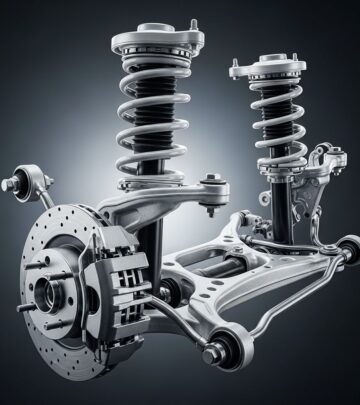
Worn suspension absorbs road imperfections poorly, causing bounces and shakes over bumps. Faulty shocks and struts lose damping capacity, allowing excessive rebound. Bushings, tie rods, and ball joints degrade from mileage, introducing play that manifests as steering vagueness and vibrations.
Clunking accompanies these, signaling loose components. Front-end geometry faults, like excessive camber or caster, compound tire wear and instability. Annual inspections catch early wear, especially in rough-terrain regions.
Idle and Acceleration Quivers: Powertrain Problems
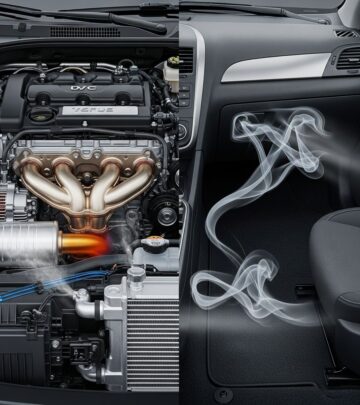
Shaking at rest implicates engine or transmission. Misfires from faulty spark plugs, coils, or injectors disrupt combustion, jerking the chassis. Worn motor mounts fail to isolate pulses, transmitting them throughout.
Transmission slips or low fluid levels cause hesitations under load, vibrating during shifts. Dashboard lights often accompany these, prioritizing diagnostics. Fuel system clogs or vacuum leaks contribute subtly.
Environmental Influences on Vehicle Stability
Seasonal elements like winter slush buildup inside wheels unbalance them temporarily, resolving with cleaning. Pothole strikes misalign or damage instantly, demanding post-impact checks. Underinflation from temperature drops alters ride dynamics.
Step-by-Step Vibration Troubleshooting Guide
- Note conditions: speed, braking, idling, or bumps.
- Visually scan tires for wear, damage, or low pressure.
- Torque lug nuts to spec.
- Test drive safely, noting felt locations.
- Scan for codes if lights illuminate.
- Seek mechanic for lifts/tools if unresolved.
Safety-first: Park if severe; tow if control falters.
Preventive Measures for Vibration-Free Driving
Proactive care minimizes shakes. Rotate tires every 6,000 miles, align post-impacts, balance during services. Monitor pressures weekly, inspect suspension bi-annually. Quality replacements outlast bargains, reducing recurrence.
Educate on pothole avoidance; gentle braking preserves rotors.
Professional Intervention: Knowing When to Go Pro
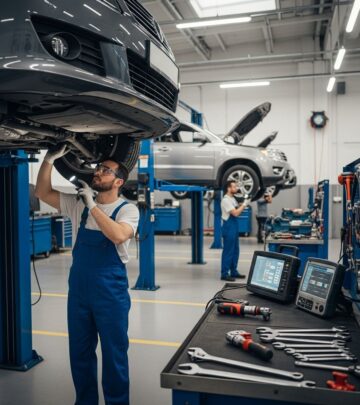
DIY suits basics, but complexities like road force or internal engine issues require expertise. Shops employ vibration analyzers pinpointing frequencies to components. Delaying risks cascading failures, inflating bills.
Frequently Asked Questions
Why does my car shake only at certain speeds?
This pattern indicates tire/wheel imbalance, where harmonic frequencies match road speed.
Is shaking dangerous?
Yes, it impairs control, extends stops, and signals wear that could fail suddenly.
How much does tire balancing cost?
Typically $20-50 per wheel, preventing pricier damages.
Can low tire pressure cause shaking?
Absolutely; it creates sidewall flex and uneven contact.
What if shaking persists after tire work?
Suspect suspension, brakes, or powertrain; advanced diagnostics needed.
References
- Car Shaking While Driving? Top Causes & Fixes — Auto Repair Lansing MI. 2023. https://www.autorepairlansingmi.com/car-shaking-while-driving-top-causes-fixes
- Why Is My Car Shaking? Common Causes & Fixes — Brian’s Tire and Service. 2024. https://brianstireandservice.com/why-is-my-car-shaking/
- Why Is My Car Shaking? | Auto Center in Duluth, GA — Gwinnett Place Ford. 2023. https://www.gwinnettplaceford.com/service/diagnosing-why-my-car-is-shaking.htm
- Why Is My Car Shaking? | Firestone Complete Auto Care — Firestone Complete Auto Care. 2024-02-01. https://www.firestonecompleteautocare.com/blog/maintenance/why-is-my-car-shaking/
- Why is My Car Shaking? – AutoZone.com — AutoZone. 2025. https://www.autozone.com/diy/symptoms/why-is-my-car-shaking
Similar Articles








Read full bio of Sneha Tete