Car Transmissions: 5 Types, Pros, Cons, And Maintenance
Discover how car transmissions work, explore all major types, and learn maintenance tips for optimal vehicle performance and longevity.
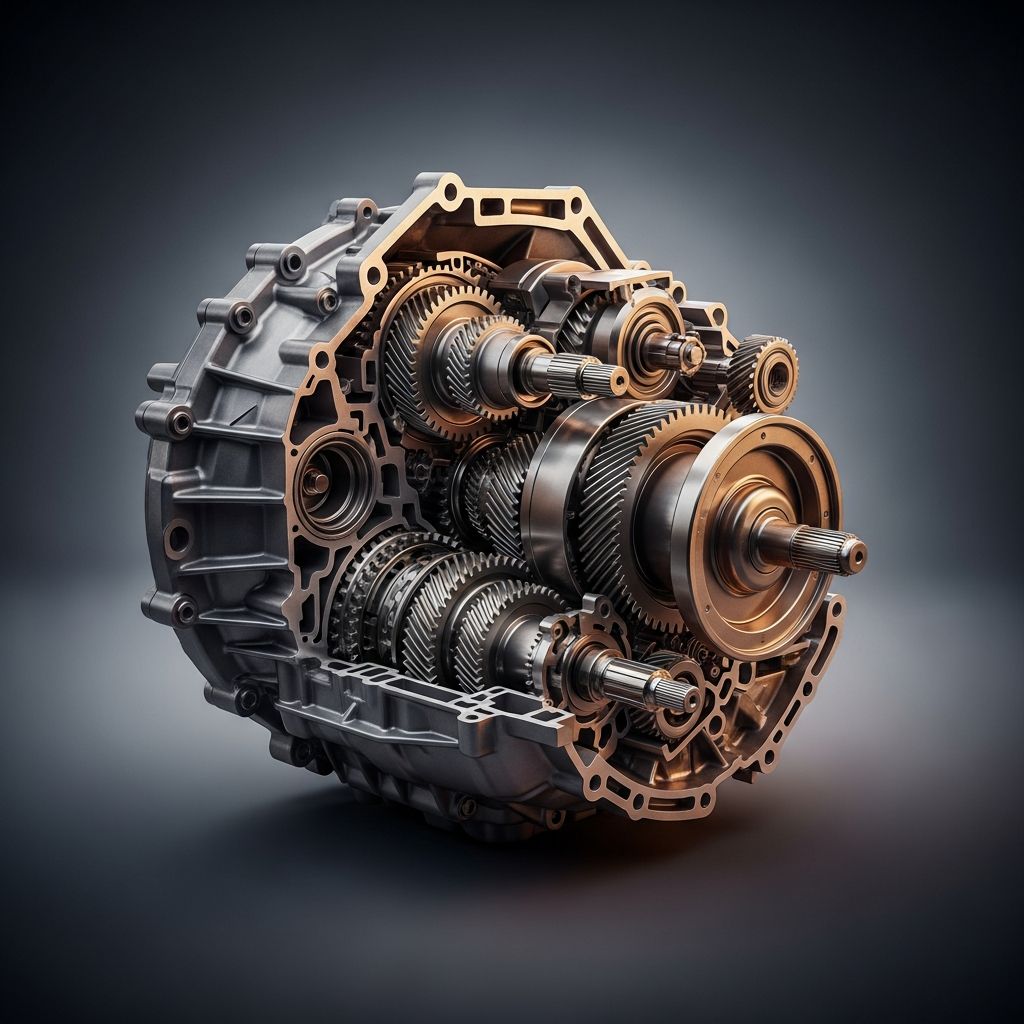
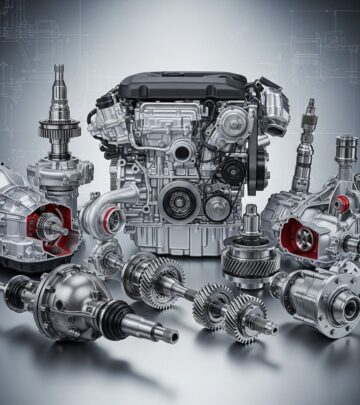
Car transmissions serve as the critical link between an engine’s power output and the wheels, ensuring efficient transfer of torque while adapting to varying driving conditions. Without a properly functioning transmission, even the most powerful engine would struggle to propel a vehicle effectively. This guide delves into the mechanics, types, pros and cons, and maintenance strategies for transmissions, empowering drivers to make informed decisions about their vehicles.
The Fundamental Role of Transmissions in Modern Vehicles
At its core, a transmission adjusts the engine’s rotational speed and torque to match the demands of driving speed and load. Engines operate efficiently within a narrow RPM range, but vehicles need to handle everything from idling to highway cruising. Transmissions achieve this by providing multiple gear ratios, allowing the engine to stay in its optimal power band regardless of road conditions.
Key functions include:
- Enabling smooth acceleration from a standstill.
- Maintaining engine efficiency across speeds.
- Facilitating direction changes, such as reverse.
- Optimizing fuel economy and power delivery.
In electric vehicles, transmissions are simpler, often single-speed, due to electric motors’ broad torque curves. However, most gasoline and diesel cars rely on multi-gear systems for peak performance.
Manual Transmissions: Precision Control for Enthusiasts
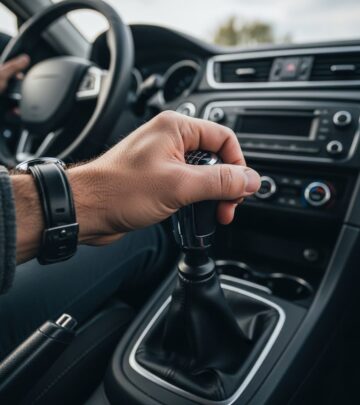
Manual transmissions, also known as stick shifts, require drivers to manually select gears using a clutch pedal and gear lever. The driver disengages the clutch to interrupt power flow, shifts gears, and re-engages for seamless operation.
Internally, a series of gears on parallel shafts mesh to create different ratios. First gear provides high torque for takeoff, while higher gears prioritize speed over torque. This hands-on approach appeals to driving purists who value direct control and engagement.
Advantages:
- Lower cost to purchase and repair.
- Better fuel efficiency in skilled hands.
- Enhanced driver involvement.
Disadvantages:
- Steep learning curve for novices.
- Increased fatigue in heavy traffic.
- Potential for driver error, like stalling.
Automatic Transmissions: Effortless Shifting for Everyday Driving
Automatic transmissions (AT) shift gears without driver input, using a torque converter to manage clutch-like functions. Fluid within the torque converter couples the engine to the transmission, allowing slip-free power transfer.
Planetary gearsets provide multiple ratios, controlled hydraulically or electronically. Modern units feature 8-10 speeds for refined performance. Variants like Tiptronic or Steptronic add manual override via paddles or levers.
| Type | Gear Mechanism | Best For |
|---|---|---|
| Standard AT | Torque Converter + Planetary Gears | Family cars, urban commuting |
| Tiptronic | Torque Converter with Manual Mode | Sporty driving |
These systems dominate markets, favored for convenience in stop-and-go traffic.
Continuously Variable Transmissions: Seamless Ratio Adjustment
CVTs eliminate fixed gears, using belts or chains between variable pulleys to provide infinite ratios. This keeps the engine at peak efficiency RPM constantly, mimicking a single gear with endless adjustability.
Pulleys widen or narrow to change effective diameter, sliding the belt for ratio shifts without steps. Hybrids often pair CVTs with electric motors for ultra-smooth operation.
Pros:
- Superior fuel economy.
- Buttery-smooth acceleration.
- Compact and lightweight.
Cons:
- “Rubber band” feel disliked by enthusiasts.
- Potential overheating under heavy load.
- Higher repair costs.
Dual-Clutch Transmissions: High-Performance Speed
Dual-clutch transmissions (DCT or DSG) use two clutches: one for odd gears (1,3,5), another for even (2,4,6). Pre-selecting the next gear enables lightning-fast shifts, nearly eliminating power interruption.
Concentric shafts house gear sets, with computers orchestrating swaps. Paddle shifters allow manual control in automatic mode, ideal for track days or spirited drives.
Performance metrics often rival manuals but with auto convenience. Common in performance cars and some EVs.
Automated and Intelligent Manual Variants: Hybrid Approaches
Automated Manual Transmissions (AMT) automate clutch and shifts on a manual gearbox layout, removing the clutch pedal. Sensors handle operations, suiting budget automatics.
Intelligent Manual Transmission (iMT) goes further, ditching the clutch entirely while retaining a manual shifter feel. Rev-matching automation enhances novice-friendliness.
Sequential Manual Transmissions (SMT), popular in racing, use sequential shifters or paddles for rapid, linear gear changes without H-patterns.
Comparing Transmission Types: A Driver’s Decision Guide
| Transmission Type | Fuel Efficiency | Shift Speed | Cost | Driver Engagement |
|---|---|---|---|---|
| Manual | High | Driver-dependent | Low | High |
| Automatic (Torque Converter) | Medium | Medium | Medium | Low |
| CVT | Very High | Seamless | Medium-High | Low |
| DCT | High | Very Fast | High | High (optional) |
| AMT/iMT | High | Variable | Low-Medium | Medium |
Choose based on lifestyle: manuals for fun, automatics/CVTs for ease, DCTs for performance.
Essential Maintenance for Transmission Longevity
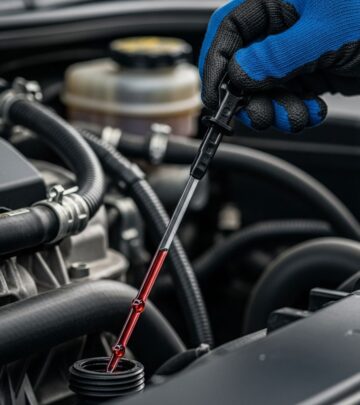
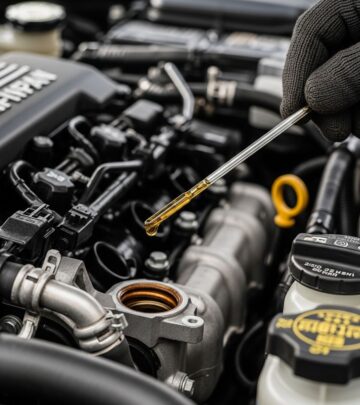
Regular care prevents costly failures. Check fluid levels monthly; change every 30,000-60,000 miles using manufacturer-spec fluid. Watch for slipping, unusual noises, or delayed shifts—early signs of issues.
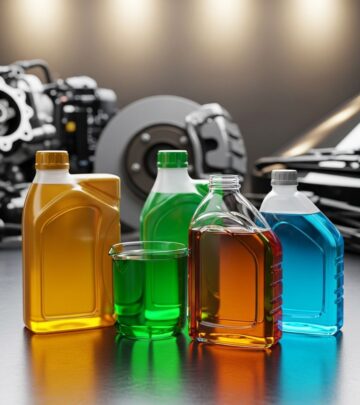
- Fluid Checks: Pink/red and clean indicates health; dark/burnt signals replacement.
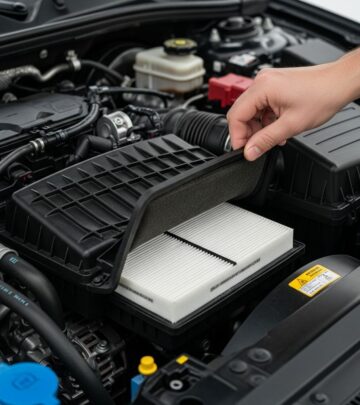
- Filters: Replace during services to avoid clogs.
- Cooling: Ensure radiator/transmission cooler functions.
- Driving Habits: Avoid aggressive launches; use proper warm-up.
Professional inspections during oil changes catch wear early, extending life to 150,000+ miles.
Common Transmission Problems and Fixes
Overheating tops the list, from fluid degradation or towing overloads. Torque converter shudder in ATs or belt slip in CVTs also common. Diagnostics via OBD scanners pinpoint faults; rebuilds cost $2,000-$4,000 vs. $5,000+ for replacements.
Prevention beats cure: adhere to service schedules religiously.
Future Trends in Transmission Technology
Electrification drives 10+ speed automatics and single-speed EV designs. Hybrids blend CVTs with eCVTs for efficiency. AI-enhanced shifts predict driver intent for proactive changes.
Frequently Asked Questions (FAQs)
What is the most reliable car transmission type?
Manuals often last longest due to simplicity, but well-maintained modern automatics rival them.
How often should I change transmission fluid?
Every 30,000-60,000 miles, or per owner’s manual; synthetics extend intervals.
Can I switch from manual to automatic?
Yes, but it requires major modifications costing $3,000-$7,000.
Why do CVTs have a rubber band feel?
Constant ratio hunting holds RPM steady, unlike stepped shifts.
Are DCTs good for daily driving?
Excellent for performance, but monitor heat in traffic.
References
- Types of Transmission System (Manual, AT, AMT, iMT, CVT, DCT) — YouTube (Casual Car). 2023. https://www.youtube.com/watch?v=ftJKqKuppF4
- Different Types of Car Transmissions Explained — Spinny. 2023-10-15. https://www.spinny.com/blog/types-of-car-transmissions/
- Transmission types explained — carsales.com.au. 2020-06-20. https://www.carsales.com.au/editorial/details/transmission-types-explained-103325/
- The 3 Main Types of Car Transmission Explained — Acura of Tempe. 2023. https://www.acuraoftempe.com/blogs/5444/the-3-main-types-of-car-transmission-explained
- What are the different types of transmissions? — Edmunds Help Center. 2023. https://help.edmunds.com/hc/en-us/articles/206102597-What-are-the-different-types-of-transmissions
- Transmission (mechanical device) — Wikipedia. 2026-02-01. https://en.wikipedia.org/wiki/Transmission_(mechanical_device)
Similar Articles








Read full bio of Sneha Tete