Car Trade-In Value: 5 Expert Tips To Maximize Offers In 2026
Maximize your car's trade-in value with expert tips on timing, preparation, and negotiation to get the best deal.
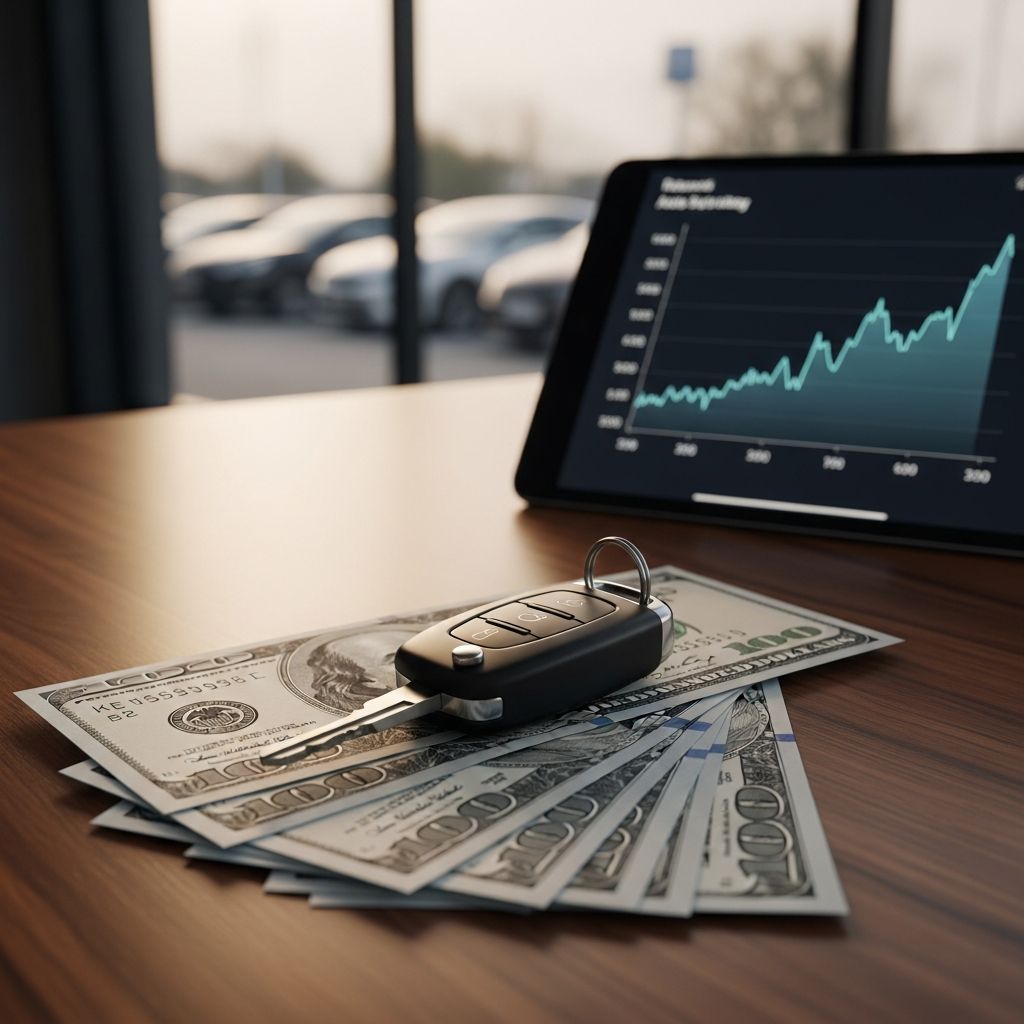
Understanding your car’s trade-in value is crucial for getting the best deal when upgrading your vehicle. Trade-in value represents what a dealership is willing to pay for your used car, which directly impacts the final price of your new purchase. With used car prices stabilizing in 2026 amid rising off-lease inventory and affordability challenges, timing and preparation can significantly boost your offer. This guide covers everything from calculating value to negotiation tactics, helping you save thousands.
How Is Trade-In Value Determined?
Dealerships calculate trade-in value based on multiple factors including the car’s condition, mileage, make/model, market demand, and regional pricing. Unlike private sale values, trade-ins are lower because dealers factor in reconditioning costs and their profit margin when reselling. In 2026, wholesale values are projected to rise modestly by 2%, but retail pressures from increased lease returns could soften offers for certain segments like sedans and EVs.
Key determinants include:
- Vehicle Condition: Exterior dents, interior wear, and mechanical issues reduce value. A clean, well-maintained car can fetch 10-20% more.
- Mileage: Average is 12,000-15,000 miles per year; excess mileage depreciates value by about $0.20 per mile.
- Age and Model Year: Newer models hold value better, but popular trucks and SUVs remain firm even in 2026.
- Market Trends: High-demand vehicles like used trucks see stable or rising values, while sedans may dip with seasonal wholesale trends.
- Location: Regional demand varies; urban areas favor compact cars, rural ones prioritize SUVs.
Tools like Kelley Blue Book (KBB), Edmunds, and Carfax provide instant valuations grounded in auction data and dealer sales. For 2026, expect a K-shaped market where luxury vehicles over $70,000 turn quickly at stable prices, while affordable options face inventory gluts.
Factors Affecting Car Trade-In Value
Several dynamic elements influence trade-in offers beyond basics. Economic factors like interest rates and inflation play a big role; as rates ease in 2026, demand for used vehicles may rise, but flooding off-lease supply (up ~400K units) could pressure prices downward.
| Factor | Impact on Value | 2026 Outlook |
|---|---|---|
| Affordability Divide | Price-sensitive buyers shift to used, boosting demand for trucks/SUVs | High-income loyalty keeps luxury stable; others trade down |
| Off-Lease Returns | Increases supply, softens prices for 3-year-old cars | Rebound fills 2025 gaps, best for buyers |
| Depreciation Rates | Normalize to pre-pandemic levels | Manheim Index up 2%, EVs add pricing complexity |
| Negative Equity | Reduces net trade-in (26.9% of trades in late 2025) | Avg. equity $7,903, down slightly YoY |
| Tariffs/Inflation | Raise new car costs, tightens used inventory | Muted impact so far, but upward pressure |
Vehicle-specific traits matter too: well-maintained hybrids and SUVs often yield better buyouts than rapid-depreciators like certain EVs or compacts. Dealers also consider their inventory needs—trading a high-demand model like a Jeep Grand Cherokee scores higher than an oversupplied Civic.
How to Maximize Your Trade-In Value
To get top dollar, preparation is key. Start early: clean thoroughly, address minor repairs, and gather service records. A professional detail can add $200-500 to offers, while tires and brakes in good shape prevent deductions.
Pro tips:
- Get Multiple Quotes: Visit 3-5 dealers or use online appraisers for leverage.
- Time It Right: Sell in late summer/fall when wholesale dips hit sedans; hold trucks/SUVs into late 2026.
- Private Party Alternative: Often 10-20% higher than trade-in, but factor in hassles.
- Equity Check: Positive equity strengthens your position; rollovers weaken it.
- Bundle Repairs: Fix issues yourself if under $500 to avoid dealer markups.
In 2026’s balanced market, with sales at 16 million new units and steady inventory, genuine demand favors prepared sellers. Avoid end-of-lease buyouts on depreciating models unless it’s a truck or hybrid.
Trade-In Value vs. Private Party Value
Trade-in values average 20-30% below private party prices because dealers resell for profit. For example, a 2023 SUV might trade for $25,000 but sell privately for $32,000. Use this gap strategically: negotiate trade-in first, then apply to new car price.
In 2026, used retail inventory stays tight for high-demand segments, narrowing the gap slightly as dealers compete. However, with affordability pushing buyers to used options, private sales could yield premiums for popular models.
Should You Trade In or Sell Privately?
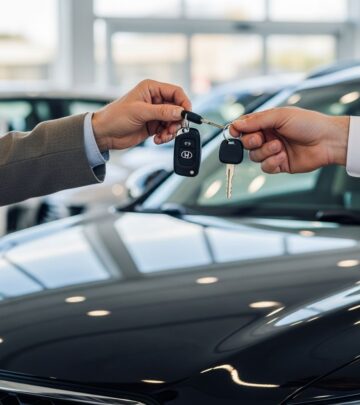
Trading in offers convenience—no haggling with buyers, instant credit, and tax savings on the reduced new car price (in most states). Private sales maximize cash but require marketing, showings, and paperwork.
| Method | Pros | Cons | Best For |
|---|---|---|---|
| Trade-In | Quick, tax benefits, no selling effort | Lower payout, dealer leverage | Buying new immediately |
| Private Sale | Higher value, direct control | Time-consuming, safety risks | Patient sellers not buying new |
For 2026, trade-ins shine with rising average equity ($7,903), but private sales benefit from off-lease rebound if your car matches buyer demand.
Negotiating Your Trade-In Value
Approach negotiations informed: know your KBB/Edmunds value range. Separate trade-in from new car discussions—agree on out-the-door new price first, then trade. Highlight positives like low miles or recent maintenance; counter lowballs with competitor quotes.
Advanced tactics:
- Walk away if needed—dealers often callback.
- Use online offers from Carvana/Carmax as benchmarks.
- Target month-end when sales quotas motivate better deals.
With 2026’s stable pricing, leverage affordability divides: dealers need inventory for price-sensitive buyers.
Common Mistakes to Avoid
- Not Shopping Around: One quote locks you into suboptimal value.
- Ignoring Negative Equity: 26.9% affected; pay down loans first if possible.
- Poor Timing: Avoid peak seasons; watch wholesale trends.
- Skipping Details: Dirty cars lose hundreds instantly.
- Mixing Negotiations: Dealers inflate new prices to offset low trades.
Best Time to Trade In Your Car
Optimal timing aligns with market cycles: spring/summer for convertibles, fall for trucks before winter demand. In 2026, late-year sales precede wholesale dips; lease returns peak mid-year, softening values. Monitor tools monthly and act when equity peaks.
Frequently Asked Questions (FAQs)
What is a good trade-in value for my car?
A good value is 70-80% of private party price, adjusted for condition. Use KBB for benchmarks; in 2026, expect stability for SUVs.
How much less is trade-in value than private sale?
Typically 20-30% less due to dealer margins, narrower in tight inventories.
Does mileage affect trade-in value?
Yes, over 15K/year miles deducts ~$0.20/mile; under boosts it significantly.
Can I trade in a car with negative equity?
Yes, but it rolls into the new loan, increasing payments. Avg. equity positive at $7,903.
What documents do I need for trade-in?
Title, loan payoff info, service records, ID, and registration.
Are trade-ins affected by market trends in 2026?
Yes, off-lease influx pressures prices, but trucks hold firm.
References
- Three Trends That Will Shape the U.S. Auto Market in 2026 — Edmunds. 2025. https://www.edmunds.com/car-news/trends-that-will-shape-2026-car-market-edmunds-insights.html
- Will used car prices fall in 2026? A look at the numbers — CarEdge. 2025. https://caredge.com/guides/2026-used-car-price-forecast
- Used-car prices finish 2025 ahead of prior year — AutoRemarketing. 2025. https://www.autoremarketing.com/ar/analysis/used-car-prices-finish-2025-ahead-of-prior-year-but-greater-affordability-in-store/
- Fragmented Reality: 5 Forces to Shape the Auto Industry in 2026 — Cox Automotive. 2025. https://www.coxautoinc.com/insights-hub/fragmented-reality-5-forces-to-shape-the-auto-industry-in-2026/
- When Will New Car Prices Drop? — Kelley Blue Book. 2025. https://www.kbb.com/car-advice/when-will-car-prices-drop/
- Used Car Price Trends for January 2026 — Carfax. 2026-01. https://www.carfax.com/used-car-index
Similar Articles








Read full bio of Sneha Tete