Car Title Transfer and Insurance Requirements
Understanding when insurance is needed for vehicle ownership changes

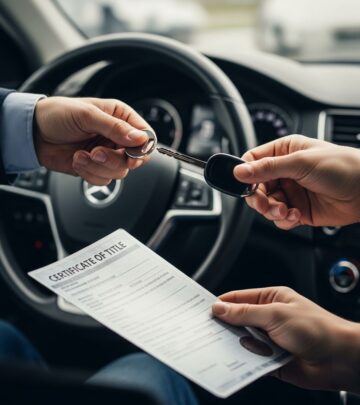
Transferring vehicle ownership involves numerous steps, and understanding the relationship between title transfers and insurance coverage is critical for both buyers and sellers. A vehicle title represents legal proof of ownership and grants the titleholder the right to sell or transfer that vehicle to another party. The process of transferring this ownership document, however, varies significantly across different states and depends on whether the transaction occurs through a dealership or between private parties.
One common question that arises during this process concerns whether insurance must be present or verified before a title can be legally transferred. The answer to this question is more complex than a simple yes or no, as requirements differ substantially based on jurisdiction, the role of the parties involved, and the type of transaction being conducted.
The Legal Foundation of Title Transfers
A vehicle title is far more than a piece of paper—it is a legally binding document that establishes ownership rights and provides the authority to conduct sales or transfers. When a vehicle changes hands, whether sold, gifted, or inherited, the title must be updated to reflect the new owner’s name. This transfer process is regulated at the state level, meaning each state has established its own specific requirements and procedures.
The fundamental purpose of requiring title transfers is to maintain accurate records of vehicle ownership within the state’s motor vehicle database. These records serve multiple functions, including taxation, liability tracking, and law enforcement purposes. Without proper title transfers, disputes over ownership could arise, and the state would lack clear documentation of who is legally responsible for a vehicle.
Understanding Insurance Requirements by Party Type
Responsibilities of Vehicle Buyers
Buyers face different insurance requirements depending on where they purchase their vehicle and their location. When purchasing from a dealership, the process typically includes stricter insurance verification protocols. Most dealerships require buyers to present proof of insurance before completing a title transfer, as many states prohibit vehicle registration without evidence of active coverage. This requirement protects both the dealership and the state’s regulatory interests.
The financing situation also influences insurance obligations. When a buyer finances a vehicle through a lender, that financial institution typically mandates specific types of insurance coverage to protect its investment in the vehicle. Lenders commonly require comprehensive and collision coverage to ensure their collateral is adequately protected. Even if state law does not mandate insurance for title transfer purposes, the lender’s own policies will require proof before the loan is finalized and the title is transferred.
For private sales, the situation differs considerably. Many states do not formally require buyers to provide insurance proof to sellers during private transactions. However, this does not eliminate the need for coverage; it simply means the state may not enforce verification at the title transfer stage. Buyers should recognize that while they might not need to show insurance documentation to transfer the title in a private sale, they will need coverage to register the vehicle and obtain license plates.
Obligations of Vehicle Sellers
Sellers face their own set of insurance considerations that vary by transaction type and location. When selling to a dealership, the seller’s vehicle must typically be insured at the time of the sale. This requirement exists because the seller remains liable for the vehicle until the title is fully transferred and the transaction is complete. If an uninsured vehicle is involved in an accident while being driven to the dealership, the seller bears financial responsibility.
Private sales present a different scenario. Some states require private sellers to verify that buyers have insurance before completing a title transfer, while others impose no such requirement. The seller’s state-specific obligations must be understood before entering into a private sale arrangement. Additionally, even if a state does not require insurance verification for title transfer purposes, most states mandate that vehicle owners maintain active insurance coverage on any registered vehicle they own, regardless of whether they are currently driving it.
A critical point for sellers to understand is that they remain legally responsible for a vehicle until the title is completely transferred out of their name. If a seller cancels insurance before the title is transferred and the vehicle is involved in an accident or violation, the seller could face substantial liability. Canceling insurance prematurely also carries the risk of state-imposed penalties, including fines and potential license suspension.
State-Specific Variations in Policy
The regulatory landscape for title transfers and insurance requirements varies dramatically across the United States. Understanding your state’s specific rules is essential before attempting to transfer a vehicle title.
States with Flexible Requirements
Several states do not require proof of insurance specifically for title transfer purposes. Maryland exemplifies this approach, as neither buyers nor sellers in private sales must provide insurance documentation to one another during the title transfer process. However, Maryland law still mandates that the vehicle owner maintain active insurance coverage up until the moment they sign over the title and return their license plates to the state. Sellers who cancel insurance before returning plates face substantial fines.
States with Registration-Based Requirements
Pennsylvania represents a middle-ground approach. The state does not require buyers to present insurance proof simply to have the title transferred into their names. However, registration of the vehicle—which comes after title transfer—absolutely requires proof of insurance. This means a buyer can technically obtain the title without insurance, but cannot legally drive or register the vehicle until insurance is secured. This approach shifts the enforcement point from title transfer to registration and licensing, effectively ensuring that insured vehicles operate on Pennsylvania roads.
States with Comprehensive Requirements
Oklahoma implements stricter regulations that require proof of liability insurance before any title transfer can occur. In Oklahoma, buyers cannot legally own a transferred title without demonstrating active insurance coverage. If purchasing privately, the buyer must visit the state transportation department office with proof of liability insurance to transfer the title. If purchasing through a dealership, the dealership is required to submit proof of liability insurance along with other documentation to the state to facilitate the title transfer. This approach ensures that title ownership and insurance coverage are synchronized.
Practical Considerations for Title Transfers Without Insurance
Dealership Purchases
If you attempt to purchase a vehicle from a dealership without insurance, you will likely be unable to complete the transaction. The dealership requires proof of insurance to complete the titling and registration process, as most states prohibit registration without insurance verification. This reality means that buying from a dealership without insurance is essentially impossible in most circumstances, as dealerships will not proceed with sales that cannot be completed legally.
Private Sales and Workarounds
Private sales present more flexibility, and in many states, it is possible to transfer a title without insurance. However, this flexibility varies significantly. If your state permits private title transfers without insurance verification, consider these steps:
- Meet with the buyer at a DMV office or authorized title agent to complete the transfer in person
- Ensure all required documentation is present, including the original vehicle title, valid identification, bill of sale, and vehicle identification number (VIN)
- Understand that you remain responsible for the vehicle until the title is completely transferred out of your name
- Be aware that the buyer will need insurance before they can legally register and drive the vehicle
Risk Factors of Uninsured Ownership
Even in states that do not require insurance proof for title transfer, maintaining active insurance on a vehicle you own carries significant importance. Many states legally require owners to maintain insurance on registered vehicles, regardless of whether they are currently driving them. If the state discovers that you own an uninsured vehicle, penalties can include substantial fines and license suspension.
Additionally, from a practical standpoint, selling an uninsured car may concern potential buyers. They may question why the seller failed to maintain coverage and could worry about undisclosed damage or mechanical issues. Maintaining insurance throughout the selling process protects the seller legally and presents a more professional transaction to the buyer.
Documentation Checklist for Title Transfers
Regardless of your state’s specific insurance requirements, certain documents are universally necessary for a smooth title transfer:
| Document Type | Purpose | Notes |
|---|---|---|
| Original Vehicle Title | Proof of current ownership | Must be original, not a copy; no alterations permitted |
| Valid Photo Identification | Verify identity of buyer and seller | Both parties typically need government-issued ID |
| Vehicle Identification Number (VIN) | Confirm vehicle identity | Found on title, vehicle dashboard, and insurance documents |
| Bill of Sale | Document transaction details and purchase price | May be required by some states and lenders |
| Odometer Reading | Verify accurate mileage | Must be signed by both buyer and seller |
| Lien Release (if applicable) | Remove creditor from title | Required if vehicle is financed |
| Proof of Insurance (when required) | Meet state or dealership requirements | Varies by state and transaction type |
Frequently Asked Questions
Can I transfer a title to a family member without insurance?
This depends on your state. Some states allow title transfers without insurance verification, while others require it. However, most states require the new owner to have insurance before they can register and legally operate the vehicle. Contact your state’s motor vehicle department for specific guidance on gifting vehicles to family members.
What happens if I sell my car before canceling insurance?
Selling your car before canceling insurance is the correct approach. You should maintain insurance coverage until the title is completely transferred out of your name. Many states impose penalties, including fines and license suspension, for canceling insurance on a vehicle still registered in your name.
Do private sellers need insurance to sell a car?
While some states do not require proof of insurance for private title transfers, most states require vehicle owners to maintain insurance on any registered vehicle. It is best practice to keep insurance active on a vehicle until the new owner takes possession and registers it in their name.
Can a dealership refuse to sell me a car if I don’t have insurance?
Yes. Dealerships typically require proof of insurance before completing a sale, as they cannot legally transfer the title and register the vehicle without it in most states. Buyers should arrange insurance before visiting a dealership to purchase a vehicle.
Best Practices for Seamless Title Transfers
To ensure a title transfer process that runs smoothly and complies with all relevant regulations, follow these recommendations:
- Research your state’s specific requirements before beginning the title transfer process
- Obtain proof of insurance before attempting to purchase from a dealership
- Maintain insurance coverage on any vehicle registered in your name until the title transfer is finalized
- Gather all required documents before meeting at the DMV or authorized title agent
- Consider completing the title transfer in person at a government office to ensure accuracy and avoid complications
- Keep copies of all transfer documents for your records
- Verify that the new owner’s name is correctly entered on all paperwork before submitting
Conclusion
The relationship between vehicle title transfers and insurance requirements is determined primarily by state law, with additional considerations from lenders and dealerships. While some states do not require insurance proof specifically for title transfer purposes, virtually all states require new vehicle owners to have insurance before registration and operation. Buyers and sellers should understand their state’s specific rules, maintain appropriate insurance coverage throughout the process, and gather required documentation to ensure a legally compliant and efficient title transfer. Whether purchasing from a dealership or a private seller, advance preparation and awareness of state-specific requirements will facilitate a smooth transition of vehicle ownership.
References
- Can You Transfer a Car Title Without Auto Insurance? — Experian. 2024. https://www.experian.com/blogs/ask-experian/can-you-transfer-car-title-without-auto-insurance/
- Can You Transfer a Car Title Without Insurance? — HiRoad. 2024. https://www.hiroad.com/blog/insurance/can-you-transfer-a-car-title-without-insurance
- Do You Need Insurance to Transfer a Car Title? — Progressive. 2024. https://www.progressive.com/answers/insurance-when-transferring-car-title/
- How to Transfer a Vehicle Title in Pennsylvania: Step-by-Step Guide — Mars Agency PA. 2024. https://www.marsagencypa.com/blog/how-to-transfer-a-vehicle-title-in-pennsylvania-step-by-step-guide
- Buying or Selling a Vehicle — Commonwealth of Pennsylvania Department of Motor Vehicles. 2024. https://www.pa.gov/agencies/dmv/vehicle-services/title-and-registration/buying-or-selling-a-vehicle
- Step-by-Step Guide: Transferring a Vehicle Title in Pennsylvania — Pennsylvania Tag Title. 2024. https://www.patagtitle.com/resources/article.phtml/step-by-step_guide_transferring_a_vehicle_title_in_pennsylvania
Similar Articles








Read full bio of Sneha Tete