Car Temperature Gauge: 7-Step Troubleshooting Guide
Master your car's temperature gauge: Understand readings, spot issues early, and prevent engine damage with this complete guide.
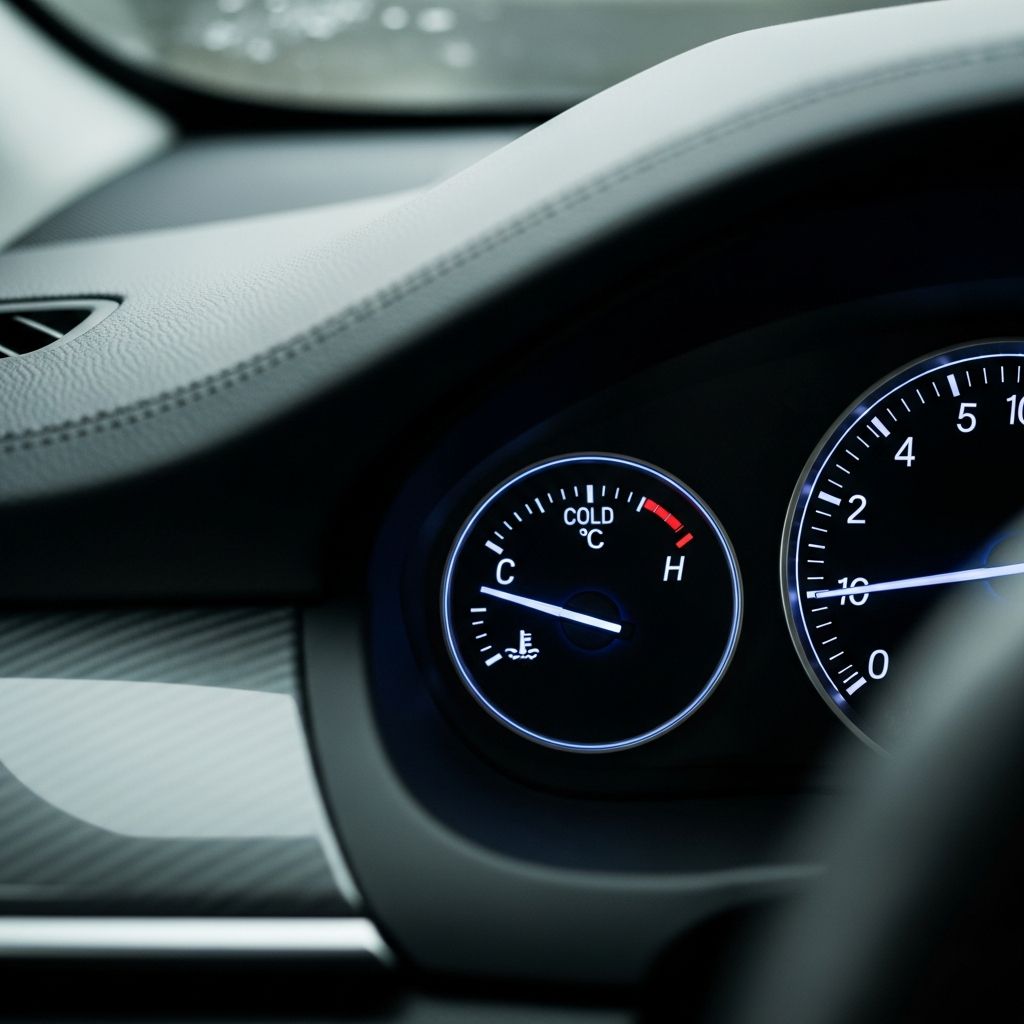
The temperature gauge on your dashboard serves as a vital monitor for your engine’s health, tracking coolant levels to prevent overheating and major damage. Understanding its operation, normal readings, and warning signals empowers drivers to act swiftly and maintain vehicle reliability.
Understanding Engine Coolant and Its Role
Engine coolant, often blended with antifreeze, circulates through the engine block and radiator to absorb excess heat generated during combustion. This liquid transfers thermal energy away from critical components like cylinder walls and heads, preventing warping or seizure. Without proper cooling, temperatures can exceed safe limits, leading to gasket failures or complete engine breakdown.
Coolant operates in a closed loop: it picks up heat via conduction and convection, then dissipates it through the radiator fins exposed to airflow. Modern formulations resist boiling up to 265°F under pressure, far beyond water’s 212°F limit, ensuring stability under load.
How Temperature Gauges Monitor Engine Heat
Most vehicles use an electric temperature gauge integrated into the instrument cluster. A thermistor in the sending unit, submerged in coolant passages, alters electrical resistance based on surrounding heat. Hotter conditions lower resistance, increasing current to the gauge and deflecting the needle upward. Cooler states raise resistance, keeping readings low.
Mechanical gauges, less common today, rely on a capillary tube filled with expanding fluid linked to a bulb in the coolant stream. Temperature-induced pressure changes mechanically drive the pointer, independent of electrical power. Both types prioritize accuracy during operation, though mechanical versions excel at post-shutdown readings for diagnostics.
| Gauge Type | Mechanism | Pros | Cons |
|---|---|---|---|
| Electric | Thermistor resistance changes | Precise, compact, vehicle-integrated | Requires wiring match, electrical faults possible |
| Mechanical | Fluid pressure expansion | No power needed, accurate off-engine | Bulkier tubing, mounting challenges |
Normal Operating Temperatures Explained
Typical engines run optimally between 195°F and 220°F once warmed. The gauge needle should stabilize near the midpoint, fluctuating mildly with traffic, loads, or ambient heat. Startup readings begin low, rising gradually as the thermostat opens around 180-195°F to allow full circulation.
Exceeding 230°F signals trouble; the red zone near ‘H’ indicates imminent danger above 240°F. Cold weather delays warmup, but prolonged sub-160°F readings suggest overcooling issues. Monitoring ensures efficiency, as optimal temps support fuel economy and emissions control.
Warning Signs from Your Gauge
- Needle climbing steadily: Indicates rising heat, often from insufficient coolant or airflow.
- Sudden spike to red: Emergency—pull over safely to avoid hydrolock or head gasket rupture.
- Erratic swinging: Faulty sender, wiring, or air pockets in the system.
- Stuck on cold: Open thermostat or gauge failure, risking fuel dilution in oil.
- Flashing light: Supplemental alert for critical thresholds, demanding immediate attention.
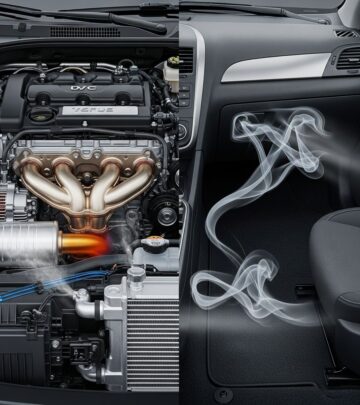
Accompanying symptoms include steam from the hood, sweet odors from evaporating coolant, or reduced heater output, reinforcing gauge data.
Top Causes of Overheating and Gauge Alerts
Insufficient Coolant Volume
Leaks deplete fluid, starving the engine of cooling capacity. Check reservoirs when cold; colorful puddles or low levels confirm the issue. Never top off a hot system—risks explosive expulsion.
Thermostat Malfunctions
This valve regulates flow: closed for quick warmup, open for cooling. Stuck closed traps heat; stuck open overcools. Rapid post-start rises or persistent cold air from vents are hallmarks.
Radiator Obstructions
Debris, rust, or bent fins block airflow, while internal clogs hinder circulation. Inspect for external grime or internal restrictions via pressure tests.
Hose and Connection Failures
Aged rubber cracks, bulging under pressure, leading to slow drips that escalate. Visual checks reveal soft spots or wetness.
Cooling Fan Deficiencies
Idling relies on electric fans; motor failure or relay issues cause stagnation in low-speed scenarios like traffic.
Water Pump Wear
The impeller-driven pump circulates coolant; bearing noise or shaft play precedes failure, reducing flow efficiency.
Step-by-Step Troubleshooting Process
- Verify gauge accuracy: Use an infrared thermometer on the thermostat housing versus gauge reading.
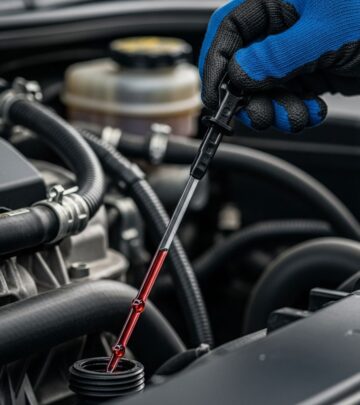
- Inspect coolant level and condition: Ensure proper mix, no contamination.
- Test thermostat: Boil in water; it should open at spec temp.
- Examine belts, hoses, radiator: Look for wear, leaks, blockages.
- Check fan operation: Run engine to trigger; confirm spin and airflow.
- Scan for codes: OBD-II tools reveal sensor or ECM faults.
- Pressure test system: Detects hidden leaks.
For electrical gauges, measure sender resistance: high when cold (thousands of ohms), low when hot (hundreds). Multimeter tests confirm functionality.
Preventive Maintenance Strategies
Flush coolant every 30,000-50,000 miles per manufacturer guidelines, replacing with OEM-spec mixtures. Inspect hoses annually, replace every 4-5 years. Clean radiator exteriors seasonally. Monitor for early leaks via UV dye additives. Upgrading to heavy-duty thermostats aids high-performance setups.
DIY Fixes for Common Issues
- Low coolant: Top up with 50/50 mix, trace source.
- Clogged radiator: Flush with cleaner, power wash fins.
- Faulty sender: Replace unit (inexpensive, accessible).
- Thermostat swap: Drain partially, bolt-in new with gasket.
Advanced repairs like pump replacement require tools and expertise—seek professionals for head gaskets or block damage.
Advanced Gauge Features in Modern Cars
Digital clusters display numeric temps, with alerts via heads-up projections. ECUs log peaks for diagnostics. Hybrids integrate battery cooling readouts alongside engine metrics. Aftermarket gauges offer programmable warnings and data logging for enthusiasts.
FAQ: Temperature Gauge Essentials
What temperature is too hot for my engine?
Anything over 220°F risks damage; red zone demands shutdown.
Why does my gauge read cold constantly?
Likely stuck-open thermostat or sender wiring fault.
Can I drive with a slightly high reading?
Monitor closely; stop if rising to avoid escalation.
How often should I check coolant?
Monthly, plus before long trips.
Is the temperature gauge coolant or engine temp?
It measures coolant exclusively, reflecting engine heat indirectly.
Long-Term Engine Protection Tips
Invest in quality coolants resisting corrosion. Synthetic oils aid thermal stability. Regular tune-ups ensure ignition efficiency, minimizing heat buildup. Track gauge trends via apps for predictive maintenance. Informed vigilance turns this simple dial into your engine’s best defender.
References
- The Basic Principles Of Automotive Gauge Function And How To Troubleshoot Them — Hemmings. 2023. https://www.hemmings.com/stories/the-basic-principles-of-automotive-gauge-function-and-how-to-troubleshoot-them/
- Car Temperature Gauges: Mechanical vs. Electric — CarParts.com. 2024. https://www.carparts.com/blog/car-temperature-gauges-mechanical-vs-electric/
- What Does the Temperature Light or Gauge Really Mean? — Leavit Auto. 2023. https://leavittautomotive.com/what-does-it-mean-when-the-temperature-light-gauge-is-on/
- How to Read a Temperature Gauge on a Car — AutoZone. 2025-01-15. https://www.autozone.com/diy/antifreeze-coolant/how-to-read-a-temperature-gauge-on-a-car
- What’s the Difference Between a Mechanical & Electrical Temperature Gauge — OnAllCylinders. 2022-07-29. https://www.onallcylinders.com/2022/07/29/whats-the-difference-between-a-mechanical-electrical-temperature-gauge-how-to-test-them/
Similar Articles








Read full bio of Sneha Tete