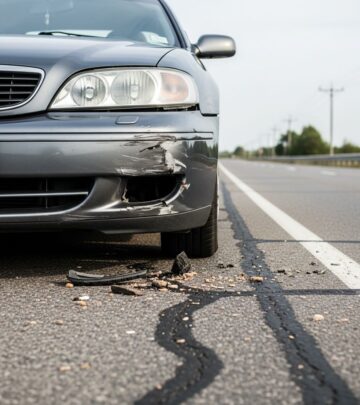
Car Scratches and Car Insurance: Coverage Guide
Understand how car insurance covers scratches, which policies protect you, and when claims are worthwhile.
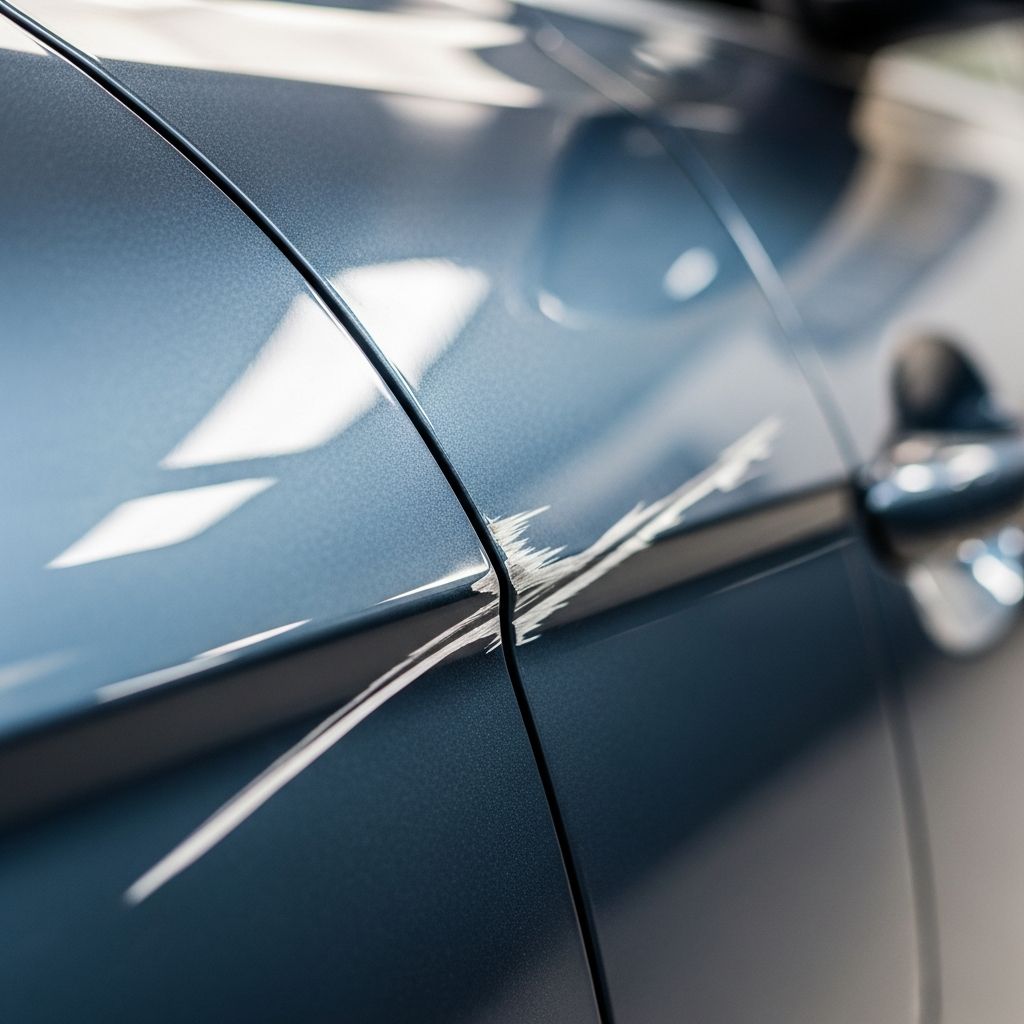
Car Scratches and Car Insurance: What You Need to Know
Car scratches and dents are a common frustration for vehicle owners. Whether your car was hit in a parking lot, scraped by a tree branch, or damaged by vandalism, you may wonder if your car insurance will cover the repair costs. The answer depends on your coverage type, the cause of the damage, and your policy details. Understanding how car insurance handles scratches can help you make informed decisions about your coverage and know when filing a claim makes financial sense.
Does Car Insurance Cover Scratches?
The short answer is yes, car insurance can cover scratches, but it depends on the type of coverage you carry and the circumstances that caused the damage. Not all car insurance policies automatically cover scratches. You must have the appropriate coverage in place, and the damage must result from a covered peril outlined in your policy.
If you have full coverage insurance, which includes both comprehensive and collision coverage, your scratches are likely covered. However, if you only carry liability coverage, scratches typically won’t be covered unless the other party was at fault in an accident. Understanding your specific policy is essential before assuming your damage will be covered.
Types of Coverage That Protect Against Scratches
Two main types of auto insurance coverage can help pay for scratches and dents: comprehensive coverage and collision coverage. Each type protects against different causes of damage.
Comprehensive Coverage for Scratches
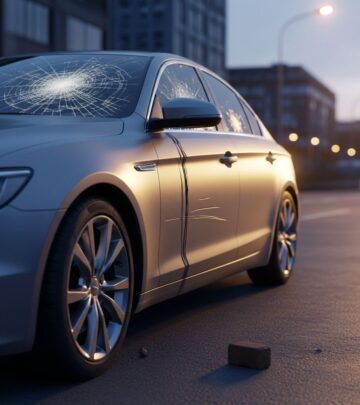
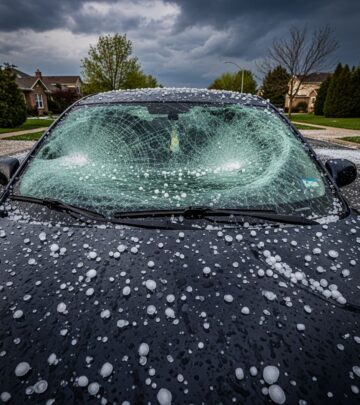
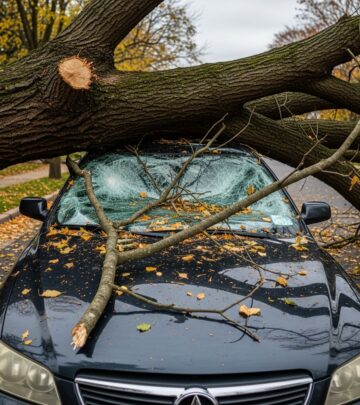
Comprehensive coverage, sometimes called “other than collision” coverage, protects your vehicle from damage caused by events that aren’t collisions. This includes vandalism, falling objects, natural disasters, hail, and theft. If someone keys your car, a tree branch scratches your paint, or your vehicle is damaged by severe weather, comprehensive coverage will typically pay for repairs after you meet your deductible.
Comprehensive coverage is particularly valuable for protecting against intentional damage. If a vandal scratches your car with a key or slashes your tires, comprehensive coverage will cover the repairs. It also applies to accidental damage from non-collision events, such as a shopping cart hitting your vehicle in a parking lot or tree branches falling on your car during a storm.
Collision Coverage for Scratches
Collision coverage pays for damage to your vehicle when you collide with another object, whether that’s another vehicle or a stationary object like a pole or tree. If you cause an accident and your car gets scratched in the process, collision coverage will pay for the damage regardless of who was at fault in the accident.
Collision coverage also applies to situations that might not seem like traditional collisions. For example, if you drive along narrow mountain roads lined with trees and your car gets scraped by branches, collision coverage would protect you. Similarly, if your car is hit by a shopping cart in a parking lot, collision coverage typically covers that damage too.
Hit and Run Scenarios
If someone hits your parked car and drives away, or scrapes your bumper while your vehicle is unattended, both collision and uninsured/underinsured motorist coverage may cover the damage. Hit and run damage can be covered under either collision or comprehensive coverage, depending on your policy specifics. This is why having both types of coverage provides more comprehensive protection.
When Car Insurance Won’t Cover Scratches
There are several situations where car insurance may not cover scratches and dents. Understanding these limitations helps you know what to expect and when you shouldn’t expect insurance to pay.
Lack of Required Coverage
The most common reason scratches aren’t covered is simply that you don’t have the appropriate coverage. If you only carry liability coverage, which is typically the minimum required by state law, comprehensive and collision damage to your own vehicle won’t be covered. You must specifically purchase these optional coverages to protect against scratches and dents.
Intentional or Wear-and-Tear Damage
Insurance will not cover scratches if you intentionally caused them or if they result from normal wear and tear. Additionally, cosmetic damage that doesn’t affect your vehicle’s functionality might not be covered by insurance. For example, if your paint is fading due to age and sun exposure, this wouldn’t be considered an insurable loss.
Third-Party Liability
If you scratch someone else’s car, your own comprehensive or collision coverage won’t pay for their repairs. Instead, the other driver can file a claim against your liability coverage. Your liability coverage will help pay for their repairs, but not for your own vehicle’s damage in such situations.
Understanding Deductibles and Coverage Limits
When your scratches are covered by insurance, you won’t receive a full payout unless you understand how deductibles work. A deductible is the amount you must pay out of pocket before your insurance coverage begins. Typical deductibles for comprehensive and collision coverage range from $1,000 to $2,000, though you can choose lower or higher amounts depending on your preference.
For example, if you have a $1,000 deductible and your scratch repair costs $800, your insurance won’t cover any of it because the repair cost doesn’t exceed your deductible. However, if the repair costs $1,500, your insurance would pay $500 after you pay your $1,000 deductible. This is why it’s important to consider whether filing a claim makes financial sense.
Once your insurance company determines they’re covering the damage, they will cover 100% of the remaining costs after your deductible, up to your policy limits. Your policy limits represent the maximum amount your insurer will pay for a single claim.
Is It Worth Filing a Claim for Scratches?
Before filing an insurance claim for scratches, you should carefully consider whether it makes financial sense. Filing a claim may result in a higher insurance premium when your policy renews, a phenomenon known as rate increase or claim surcharge. This could mean paying more for insurance in the future, potentially offsetting the savings from your claim.
Generally, if the repair cost is close to or less than your deductible, filing a claim isn’t worth it financially. For minor scratches costing $50 to $150, or even moderate scratches costing $150 to $500, you might be better off paying out of pocket rather than filing a claim and potentially facing premium increases.
However, for more severe damage requiring bodywork that could cost $1,000 or more, filing a claim becomes more worthwhile. Calculate the difference between your deductible and the repair cost, then factor in potential premium increases before making your decision.
How to File a Claim for Scratches
If you decide to file a claim for scratches, follow these steps to ensure your claim is processed smoothly.
Step 1: Document the Damage
Before contacting your insurance company, document the damage with clear photographs and videos. Take photos from multiple angles in good lighting to show the extent of the scratches or dents. If possible, photograph the surrounding area to provide context for how the damage occurred. This documentation becomes crucial evidence for your claim.
Step 2: Review Your Policy
Check your insurance policy to determine what coverage you have and understand your deductible amount. Verify that the cause of your scratches is covered under your comprehensive or collision coverage. This review helps you understand what to expect before you call your insurer.
Step 3: Contact Your Insurance Company
Call your insurance provider to report the incident and initiate your claim. Be prepared to provide detailed information about when, where, and how the damage occurred. The more information you provide upfront, the faster your claim can be processed.
Step 4: Work with an Adjuster
Your insurance company may send an adjuster to inspect the damage in person. The adjuster will assess the extent of the damage and determine what repairs are necessary. They may take their own photographs and prepare an estimate for repairs.
Step 5: Get Repairs Completed
Once your claim is approved, you’ll work with an approved body shop to get your vehicle repaired. Your insurance company will either pay the body shop directly or reimburse you after you pay your deductible, depending on your insurer’s process. You may have the option to choose your own repair shop, though your insurer may offer preferred shops with which they have established relationships.
Repair Costs for Scratches and Dents
Understanding typical repair costs helps you determine whether filing a claim is worthwhile. Repair expenses vary significantly based on the depth, extent, and location of the damage.
| Damage Type | Typical Repair Cost Range | Description |
|---|---|---|
| Minor Scratches | $50 – $150 | Surface-level scratches in the clear coat or paint |
| Moderate Scratches | $150 – $500 | Scratches that penetrate the clear coat into the base coat |
| Dents Requiring Bodywork | $100 – $1,000+ | Dents requiring panel replacement or significant bodywork |
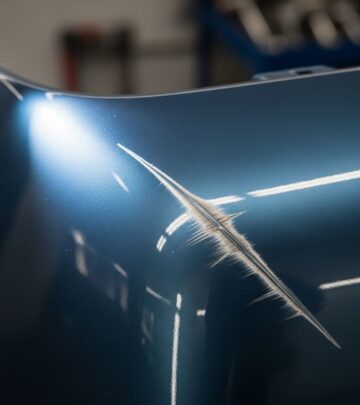
Minor scratches that only affect the clear coat can often be buffed out or touched up with paint. Moderate scratches that penetrate deeper into the paint may require more extensive touch-up work or repainting of an entire panel. Severe dents that require panel replacement or structural work can quickly exceed $1,000 in repair costs.
Full Coverage Insurance Explained
Full coverage insurance refers to a comprehensive auto insurance policy that includes multiple types of coverage beyond the minimum required liability protection. Full coverage typically includes liability, collision, comprehensive, and sometimes additional optional coverages like uninsured/underinsured motorist protection.
Having full coverage means you’re protected against a wide range of risks, including collisions with other vehicles or objects, vandalism, theft, natural disasters, and other non-collision damage. If you have a loan or lease on your vehicle, your lender may require you to carry full coverage as a condition of financing.
Key Differences: Collision vs. Comprehensive Coverage
While both collision and comprehensive coverage can protect against scratches, they cover different types of incidents. Understanding the differences helps you know what coverage applies to your specific situation.
| Coverage Type | What It Covers | Examples of Covered Incidents |
|---|---|---|
| Collision Coverage | Damage from accidents involving other vehicles or objects | Hitting another car, hitting a pole, being hit by another vehicle |
| Comprehensive Coverage | Damage from non-collision events | Vandalism, theft, natural disasters, falling objects, animal damage |
Tips for Protecting Your Car from Scratches
While insurance can cover scratches when they occur, prevention is always better than dealing with damage and claims. Consider these strategies to protect your vehicle from scratches:
Parking Practices: Park in well-lit areas away from other vehicles when possible. Avoid parking near shopping carts, trees with low-hanging branches, or areas where other vehicles frequently pass. Use parking garages when available to protect against weather and vandalism.
Protective Coatings: Apply protective coatings like ceramic coat or paint protection film to vulnerable areas such as the hood, bumpers, and door edges. These products create a barrier between your paint and potential scratches.
Regular Maintenance: Wash and wax your car regularly to maintain the paint’s protective layer. A good wax coating can help prevent minor scratches and protect against environmental damage.
Defensive Driving: Drive defensively and maintain safe distances from other vehicles. Avoid narrow roads with overhanging branches when possible, and be cautious in parking lots where other drivers might hit your vehicle.
Frequently Asked Questions
Q: Will my insurance rate increase if I file a claim for scratches?
A: Filing a claim may result in a rate increase when your policy renews, which is why it’s important to weigh the repair costs against potential premium increases. For minor damage, paying out of pocket is often more cost-effective than filing a claim.
Q: What should I do if someone else scratches my car in a parking lot?
A: If you can identify the other driver, get their insurance information and file a claim with their insurer. If the other driver left, file a hit-and-run claim with your own insurance if you have collision or comprehensive coverage.
Q: Can I choose my own repair shop, or must I use my insurance company’s preferred shops?
A: Most insurance companies allow you to choose your own repair shop, though they may offer preferred shops that have established relationships with the insurer. You have the right to select any licensed body shop.
Q: Does my liability coverage cover scratches I cause to other vehicles?
A: Yes, your liability coverage will pay for damage you cause to someone else’s vehicle, including scratches. However, your liability coverage won’t cover damage to your own vehicle.
Q: Are cosmetic scratches covered by insurance?
A: Cosmetic damage that doesn’t affect your vehicle’s functionality may not be covered. Insurance typically covers damage that results from covered perils like collisions, vandalism, or natural disasters, not normal wear and tear.
Q: What is a typical deductible for comprehensive and collision coverage?
A: Deductibles typically range from $500 to $2,000, though you can choose custom amounts depending on your preference and financial situation. Higher deductibles result in lower premiums but mean you pay more out of pocket when filing a claim.
Q: How long does it take for an insurance claim for scratches to be processed?
A: Most insurance companies can process scratch claims within a few days to a couple of weeks, depending on the complexity of the claim and whether an in-person inspection is needed. Minor claims often process faster than major damage claims.
References
- Does Auto Insurance Cover Scratches? — Policygenius. 2024. https://www.policygenius.com/auto-insurance/does-auto-insurance-cover-scratches/
- Does My Car Insurance Cover Scratches? — Trusted Choice. 2024. https://www.trustedchoice.com/ask-an-insurance-agent/does-car-insurance-cover-scratches/
- Can Car Insurance Cover Scratches and Dents? Explained — Gordon Insurance LLC. 2024. https://gordoninsurancellc.com/can-car-insurance-cover-scratches-and-dents-explained/
- Does Car Insurance Cover Scratches and Dents? — Bankrate. 2024. https://www.bankrate.com/insurance/car/does-car-insurance-cover-scratches-and-dents/
- So Your Car Got Scratched, What’s Next? — Insuring You For Less. 2024. https://www.insuringyouforless.com/blog/so-your-car-got-scratched-whats-next.aspx
- Does Car Insurance Cover Scratches and Dents? — eINSURANCE. 2024. https://www.einsurance.com/journal/does-car-insurance-cover-scratches-and-dents/
- Scratches and Dents: Will Car Insurance Cover Minor Damage? — Plymouth Rock. 2024. https://www.plymouthrock.com/resources/scratches-and-dents-will-car-insurance-cover-minor-damage
Similar Articles








Read full bio of medha deb