Car Resale Value: 5 Practical Strategies To Boost Returns
Unlock the secrets to maximizing your vehicle's resale value through smart maintenance, market awareness, and strategic timing.
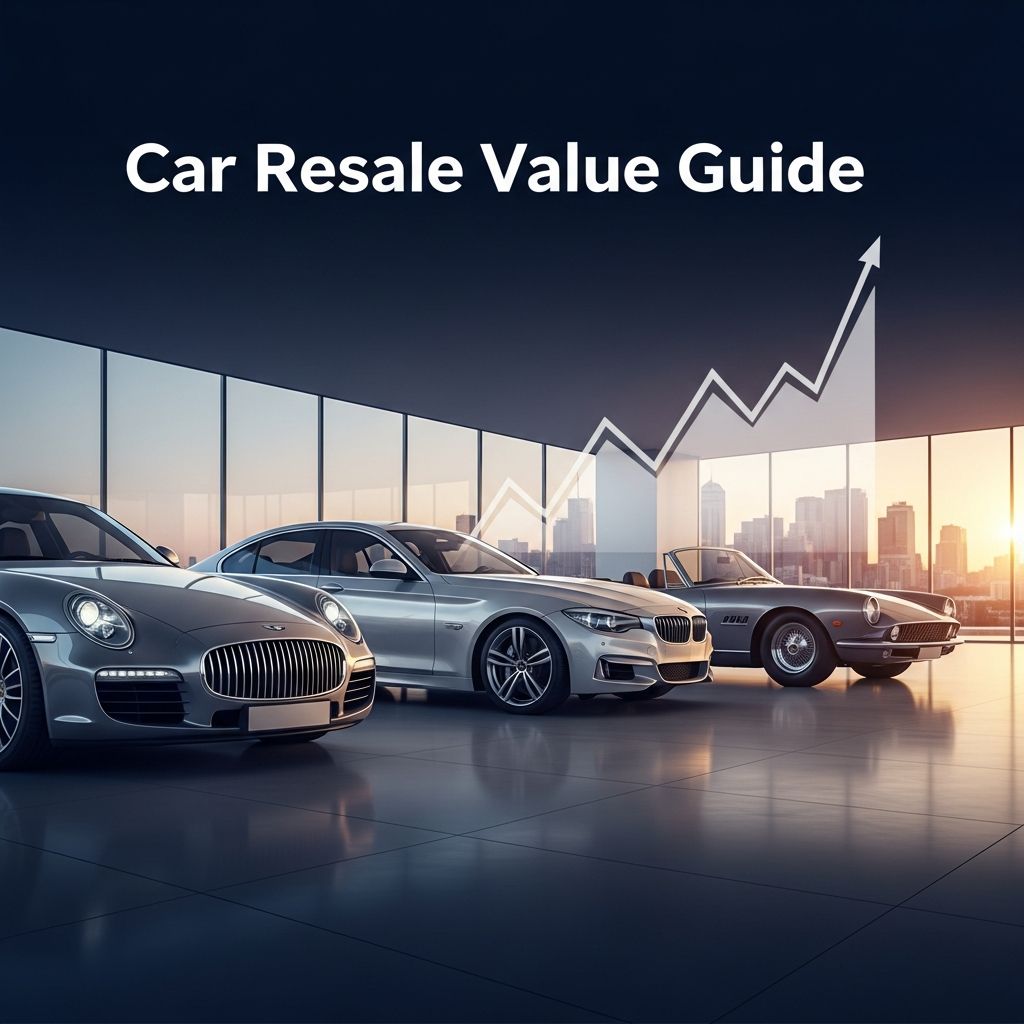
Determining the resale value of a vehicle involves evaluating multiple interconnected elements that dictate how much a buyer is willing to pay. Core influences include the car’s age, accumulated mileage, overall physical state, maintenance records, and prevailing economic conditions. By grasping these dynamics, sellers can implement strategies to enhance their vehicle’s appeal and secure a superior return on investment.
Core Determinants of Vehicle Worth
The foundation of any car’s market price rests on fundamental attributes that buyers scrutinize first. Age represents the passage of time since manufacture, often correlating with technological obsolescence and general wear. Vehicles lose a substantial portion of their initial value within the first few years due to this natural progression. Mileage quantifies usage intensity; lower figures signal reduced wear and greater longevity potential, directly elevating perceived worth.
Brand reputation further shapes valuation. Manufacturers renowned for durability, such as Toyota or Honda, experience slower value erosion compared to luxury marques like BMW, which depreciate rapidly despite premium pricing. These baseline factors set the stage, but nuanced details can dramatically shift outcomes.
Physical Condition: The Visual and Functional Audit
A vehicle’s condition serves as the most immediate indicator of quality to prospective buyers. Exterior elements like dents, scratches, faded paint, rust, or damaged wheels immediately diminish appeal. A cracked windshield, even if minor, signals impending repair costs and can erode value significantly. Interior aspects, including seat wear, dashboard cracks, pedal erosion, and lingering odors from smoke or pets, similarly detract from desirability.
- Exterior upkeep: Address stone chips, oxidation, and structural rust promptly to maintain curb appeal.
- Interior freshness: Eliminate stains, repair trim, and neutralize smells for a premium feel.
- Mechanical integrity: Ensure smooth engine performance, reliable gearbox, solid suspension, and adequate brake function.
Tire condition rounds out this category; sufficient tread depth reassures buyers of safety and reliability. Pre-sale detailing or minor repairs often yield disproportionate returns, as cosmetic enhancements can add hundreds to the final price.
Maintenance Records and Ownership History
Documented service history acts as a trust builder, verifying consistent care and preempting mechanical failures. Full records, including MOT or equivalent tests, demonstrate reliability and odometer accuracy, boosting value notably. Cars with clean, uninterrupted service logs command premiums over those lacking proof.
Ownership count inversely affects price; single-owner vehicles suggest meticulous stewardship, while multiple owners raise flags about unresolved issues. Accident history, even if professionally rectified, imposes a penalty—write-offs can slash value by 20-40%. Prospective sellers should procure vehicle history reports to transparently address any past incidents.
Equipment, Specifications, and Customizations
Factory-installed premium features significantly uplift resale prospects. Desirable options like sunroofs, leather upholstery, advanced infotainment, driver aids (e.g., adaptive cruise control), and premium audio systems attract higher bids. Higher trim levels or performance packages further enhance market positioning.
Conversely, aftermarket modifications often deter buyers, reducing value unless tailored to niche markets like classics. Color preferences play a subtle role; neutral shades (white, black, silver) broaden appeal, while bold hues may narrow the buyer pool.
| Feature Type | Value Impact | Examples |
|---|---|---|
| High-Demand Options | Positive (+5-15%) | Sunroof, heated seats, LED lights |
| Mechanical Upgrades | Neutral to Positive | Performance exhaust (if OEM-like) |
| Aftermarket Mods | Negative (-10%+) | Custom wraps, non-standard rims |
Market Dynamics and External Influences
Beyond vehicle-specific traits, broader forces mold pricing landscapes. Fuel type sways demand: hybrids and electrics gain traction amid emissions scrutiny, while diesels wane. Seasonality introduces fluctuations—convertibles peak in warmer months, 4x4s in winter. Regional variances amplify this; rugged terrains favor SUVs, coastal areas prioritize fuel efficiency.
Economic climates exert pressure: recessions suppress prices, supply shortages inflate them. Gas prices, inflation, and interest rates indirectly steer buyer preferences toward economical models. Monitoring local trends ensures optimal selling timing.
Depreciation Mechanics: Predicting Value Loss
Depreciation quantifies inevitable value decline, steepest in year one (20-30%), then tapering. Key accelerators include high mileage, poor upkeep, and shifting preferences like EV adoption impacting gas models. Countermeasures involve selecting value-retentive brands, limiting annual kilometers (ideally under 15,000), and prioritizing maintenance.
Tools like valuation guides from authoritative sources (e.g., Kelley Blue Book) provide benchmarks adjusted for these variables. Sellers benefit from comparing against comparable listings to calibrate expectations realistically.
Practical Strategies to Elevate Resale Returns
To outperform average depreciation:
- Invest in professional inspections and repairs pre-listing.
- Maintain meticulous records and disclose transparently.
- Time sales around peak demand seasons or economic upswings.
- Enhance presentation with thorough cleaning and photography.
- Clear any finance liens or warranties for seamless transfers.
Average annual mileage consideration aids planning; exceeding norms (e.g., 100,000 km threshold in some markets) caps appeal.
Frequently Asked Questions
How much does mileage affect resale value?
Each additional 10,000 miles typically reduces value by 10-20%, depending on model and condition. Low-mileage cars under 60,000 miles retain premiums.
Do luxury cars hold value better?
Not always; while initial prices are high, luxury models like BMW depreciate faster than reliable mainstream brands like Toyota.
Can I boost value with DIY repairs?
Minor cosmetics yes, but mechanical work requires professional certification to avoid devaluing through shoddy execution.
What role does color play?
Neutral colors sell faster and higher; unusual shades may limit buyers but appeal to enthusiasts.
How do electric vehicles depreciate?
EVs depreciate quickly due to tech advances but hold strong demand in green markets.
Conclusion
Mastering car resale value demands holistic attention to controllable factors like condition and documentation alongside uncontrollable ones like market shifts. Proactive management transforms potential losses into gains, ensuring maximum returns when parting with your vehicle.
References
- Understanding Vehicle Depreciation: Key Factors and How It Works — Econo Auto Sale. 2023. https://www.econoautosale.com/blog/Understanding-Vehicle-Depreciation:-Key-Factors-and-How-It-Works-1999
- 10 factors that influence the resale value of your car — OKAZE. 2023. https://en.okaze.ca/blogue/10-facteurs-qui-influencent-la-valeur-de-revente-de-ta-voiture
- What Affects Your Car’s Value? Key Factors Explained — CarOwl. 2024. https://carowl.co.uk/wisdombase/valuation/factors-that-affect-used-car-value
- What Affects Used Car Value? Price Your Inventory Correctly! — eCarsTrade. 2023. https://ecarstrade.com/blog/what-impacts-the-value-of-a-used-car
- Does the Value of a Used Car Depend on Its Age? — Indy Auto Man. 2023. https://www.indyautoman.com/blog/how-the-value-of-a-used-car-depends-on-its-age
- What Affects Your Car’s Resale Value? — ABC Auto Repair Burien. 2024. https://www.abcrepaircenter.com/what-factors-impact-my-cars-selling-price
Similar Articles








Read full bio of Sneha Tete