Why Car Prices Are Increasing — And How You Can Save
Car prices hit record highs in 2025 with no new vehicles under $20K. Discover the causes like tariffs and EVs, and proven strategies to save thousands on your next purchase.

If you think car buying has gotten crazy expensive, you’re not imagining things. At the close of 2024, the average new car cost $48,724 — up 2.3% since the start of last year. This marks a significant shift, as 2025 becomes the first year with no new vehicles starting under $20,000, even economy models. High prices stem from multiple pressures, but savvy buyers can still find ways to save. This article breaks down the key drivers behind escalating costs, their ripple effects on financing, and practical strategies to secure a better deal.
What’s Causing Car Prices to Increase in 2025?
The new car market faces a perfect storm of challenges. Michael Douglas, Head of Dealer Operations & Credit at Chase Auto, identifies supply chain disruptions, surging demand, rising material costs, persistent inflation, the electric vehicle (EV) transition, and regulatory shifts as primary culprits. These factors have triggered production delays, slashed inventory, and inflated manufacturing expenses, pushing prices higher.
Supply chains, battered by global events like the pandemic and geopolitical tensions, are slowly stabilizing in 2025, but relief is limited. Inventory levels are rebounding toward pre-pandemic norms — Cox Automotive forecasts nearly 3 million new vehicles, triple the chip shortage lows — potentially spurring discounts. However, this hasn’t reversed the upward trend yet.
Inflation and material costs continue to bite. Steel, aluminum, semiconductors, and lithium for EV batteries have seen sharp increases, with manufacturers passing costs to consumers. Inflation erodes purchasing power, making even stable-supply vehicles pricier.
The shift to electric vehicles adds complexity. Consumer demand for sustainable tech drives investment in EVs, but production ramps are costly. EV sales are projected to surpass 1 million units in 2024, with more models and incentives emerging, though prices remain elevated due to battery tech and fewer economies of scale. Hybrids and gas models feel the pinch too, as resources divert.
Regulatory changes loom large, especially tariffs. A 25% tariff on foreign-made cars and parts, implemented under President Trump, hits imports hard — even U.S. brands rely on overseas components. Relocating production domestically demands massive time and capital, so costs filter to buyers. Combine this with stricter emissions standards, and prices climb further.
Demand remains robust, fueled by low unemployment, wage growth, and avoided recessions, sustaining high prices despite inventory gains. Used car markets echo this: limited supply and aging trade-ins (average 7.6 years old) keep values elevated. Subprime loans to lower-credit buyers also prop up prices by expanding the buyer pool.
How Are High Car Prices Impacting Auto Loans?
Skyrocketing prices force buyers into longer loan terms — 72 or 84 months — to manage monthly payments. While this eases short-term budgets, it amplifies total costs through extended interest accrual.
Douglas warns of negative equity: cars depreciate faster than loans pay off, leaving owners upside-down. Trading in becomes painful, as you owe more than the vehicle’s worth, trapping buyers in cycles of debt. Average loan terms stretch affordability thin; with interest rates still elevated post-pandemic, lifetime costs soar.
Annual ownership expenses compound this. AAA pegs total driving costs at $10,728 yearly, factoring depreciation, fuel, insurance, maintenance, and financing. New cars depreciate quickest in year one — drive off the lot, and value drops immediately. Subprime lending exacerbates risks, as higher-risk borrowers face steeper rates.
Before extending terms, explore alternatives: larger down payments, cheaper models, or used options to shrink principal and interest.
How to Save Money on a Car in 2025
With averages nearing $50,000, creativity is key. Prioritize total ownership costs over sticker price, including depreciation, fuel, insurance, and repairs. Here are proven tactics:
Consider Certified Pre-Owned, If Not Used
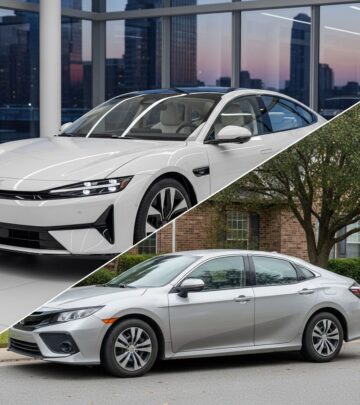
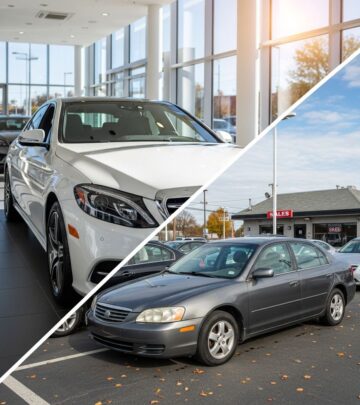
Used cars slash costs dramatically — often 20-40% below new equivalents. But pitfalls abound: high-mileage relics risk breakdowns, while new cars offer warranties. The sweet spot? Certified Pre-Owned (CPO) vehicles: rigorously inspected, low-mileage used cars with extended warranties from manufacturers.
CPO perks include roadside assistance, free maintenance, and trade-in guarantees, bridging new-car reliability with used pricing. Research maintenance rankings — brands like Toyota and Honda top charts for low long-term costs. Avoid high-depreciation luxury models; economy sedans and trucks hold value best.
Buy at the Right Time
Timing unlocks deals. Tax season (February-April) aligns with refunds, prompting incentives. End-of-month, quarter, or year pressures dealers to meet quotas — December shines for volume clearances.
Model-year ends are goldmines: as 2026 models launch, 2025 inventory gets discounted heavily. Watch for EV incentives too; falling prices and rebates could spill to hybrids. Shop Mondays or holidays when lots are quiet for better negotiations.
Negotiate Aggressively and Shop Financing
Haggle beyond MSRP — research via Edmunds or Kelley Blue Book for fair values. Pit dealers against each other with pre-approvals from banks or credit unions.
Bundle insurance quotes; new cars hike premiums. Larger down payments (20%+) cut interest. Lease if mileage is low — lower upfront, but watch residuals.
Target Economy Models and Incentives
No $20K cars? Focus sub-$30K options like base trims. EVs qualify for federal tax credits up to $7,500. Fleet programs or loyalty discounts add savings.
| Strategy | Potential Savings | Best For |
|---|---|---|
| CPO Purchase | $10K-$20K vs new | Reliability seekers |
| End-of-Model Buy | 10-15% off MSRP | Patient shoppers |
| 60-Month Loan | $2K-$5K interest vs 84-mo | Budget disciplinarians |
| EV Incentives | Up to $7,500 credit | Eco-conscious buyers |
Frequently Asked Questions (FAQs)
Will car prices drop in 2025?
Inventory rises may bring modest discounts, but inflation, tariffs, and EV costs likely keep averages elevated above $48K.
Are used cars a better deal now?
Yes, especially CPO — savings outweigh risks with warranties. Used prices are stabilizing but still high due to supply limits.
How do tariffs affect U.S.-made cars?
Even domestics use imported parts; 25% duties raise costs passed to buyers unless fully reshored.
What’s the cheapest car to own long-term?
Budget brands like Toyota, Honda minimize maintenance, fuel, and depreciation — total ~$10K/year per AAA.
Should I wait for lower interest rates?
Rates may ease with economic strength, improving affordability alongside inventory. Monitor Fed moves.
Car buying in 2025 demands strategy amid rising prices. By understanding drivers like supply issues and tariffs, opting for CPO, timing purchases, and financing wisely, you can save thousands. Research thoroughly, negotiate hard, and prioritize total costs for a win.
References
- Why Car Prices Are Increasing — And How You Can Save — The Penny Hoarder. 2024-12-31. https://www.thepennyhoarder.com/save-money/car-prices-are-increasing/
- Will it be cheaper to buy a car in 2024? Here is what this forecast says — Cox Automotive via WSLS. 2024-01-09. https://www.wsls.com/features/2024/01/09/will-it-be-cheaper-to-buy-a-car-in-2024-here-is-what-this-forecast-says/
- Your Driving Costs — AAA. 2023. https://www.acg.aaa.com/connect/blogs/4c/auto/your-driving-costs
Similar Articles








Read full bio of Sneha Tete