Car Payment Delays: Risks and Solutions
Discover the timeline of consequences for late car payments, from fees to repossession, and learn proactive steps to protect your finances and credit.

Missing a car payment initiates a cascade of financial repercussions that can escalate rapidly, starting with minor fees and potentially leading to vehicle loss and lasting credit damage. Understanding this progression empowers borrowers to act swiftly and explore remedies.
The Grace Window: First 10-15 Days
Auto loan contracts often incorporate a brief grace period, commonly spanning 10 to 15 days after the due date, during which payments made within this timeframe avoid penalties. This buffer acknowledges occasional cash flow hiccups, allowing time to rectify oversights without immediate costs. However, specifics depend on the lender and state regulations, so reviewing your loan agreement is essential.
During this initial phase, no credit reporting occurs, and repossession remains off the table. Lenders may send courteous reminders via email or app notifications to prompt payment. Acting within this window preserves your financial standing intact.
Late Fees Kick In: 16-30 Days Past Due
Once the grace period lapses, typically between days 16 and 30, lenders assess late fees, which range from $25 to $50 or 5% of the monthly payment amount, varying by contract and jurisdiction. These charges accumulate if payments lag, compounding the debt quickly.
Collection communications intensify through phone calls, letters, or emails, urging resolution. While credit bureaus like Equifax, Experian, and TransUnion are not yet notified, restricted access to online payment portals may occur, forcing alternative arrangements. This stage signals medium risk, emphasizing the need for immediate lender contact.
Credit Score Strike: 30 Days and Beyond
At 30 days delinquent, lenders routinely report the missed payment to major credit bureaus, marking it as derogatory on your credit file. This notation can slash scores by 50-100 points or more, depending on prior credit health, with effects lingering up to seven years.
Subsequent reports at 60 and 90 days amplify the damage, portraying worsening delinquency. Default status may activate around 30-90 days, breaching the loan contract and heightening repossession threats. Lenders ramp up recovery efforts, potentially limiting payment options further.
Repossession Threat: 90+ Days Delinquent
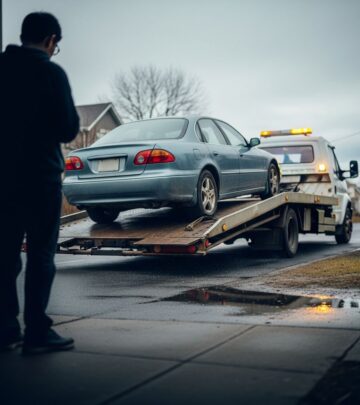
Beyond 90 days, repossession becomes probable, with lenders authorized to seize the vehicle without court involvement in many states. Advanced measures like GPS tracking or remote engine disabling may precede towing. Post-repossession, the car auctions for loan application, but shortfalls trigger deficiency balances sent to collections, incurring additional fees and legal pursuits.
This severe outcome disrupts transportation, escalates costs, and inflicts profound credit wounds, complicating future borrowing.
Timeline of Auto Loan Delinquency Stages
| Days Past Due | Key Consequences | Risk Level |
|---|---|---|
| 1-15 | Grace period active; reminders sent | Low |
| 16-30 | Late fees applied; collection contacts begin | Medium |
| 31-60 | Credit reporting; default possible; repossession warnings | High |
| 61-90 | Repeated credit hits; intensified collections | Very High |
| 90+ | Repossession likely; deficiency judgments | Severe |
This table summarizes typical progression based on industry standards. Individual experiences vary by lender policy.
Why Delinquencies Are Rising
Recent data reveals 2.93% of auto loans over 30 days past due in Q2 2024, reflecting economic pressures like inflation and elevated vehicle costs. Such trends underscore the widespread challenge, yet proactive management remains viable.
Immediate Actions to Mitigate Damage
- Contact your lender promptly: Discuss hardship programs, payment deferrals, or forbearance before delinquency reports.
- Partial payments: Some accept them to halt escalation, though fees may still apply.
- Refinance options: Lower rates or extended terms via platforms like RefiJet can ease burdens.
- Budget realignment: Prioritize essentials, cut discretionary spending to free funds.
- Seek assistance: Nonprofit credit counseling or government aid programs for qualifying households.
Long-Term Credit Recovery Strategies
Post-delinquency, focus on rebuilding: Ensure all future payments timely, reduce credit utilization below 30%, and dispute inaccuracies via annualcreditreport.com. Positive payment history gradually offsets negatives, often within 1-2 years for minor lapses.
Monitor scores through free services from bureaus. Avoid new debt to prevent overextension.
Preventing Future Misses: Best Practices
Automate payments to sidestep forgetfulness. Maintain an emergency fund covering 3-6 months of essentials, including loan obligations. Periodically review loan terms for refinance eligibility amid rate drops. Insurance lapses compound risks, so bundle coverages wisely.
Frequently Asked Questions
How soon does a late car payment affect my credit?
Lenders report delinquencies at 30 days past due, triggering score drops.
Can I avoid repossession after missing payments?
Yes, negotiate with lenders for extensions or voluntary surrender to minimize fees.
What are typical late fees for auto loans?
Fees range $25-$50 or 5% of payment, post-grace period.
Does paying late once ruin my credit forever?
No, impacts fade over seven years with consistent on-time payments thereafter.
Should I surrender my car voluntarily?
It may lessen repossession costs but still harms credit; explore alternatives first.
State Variations in Repossession Rules
Regulations differ: Some states mandate notice periods or hearings before seizure, while others permit ‘self-help’ repossessions without judicial oversight. Consult state attorney general resources for local protections.
References
- What Happens if You Miss a Car Payment? — Ritchey Buick GMC. 2024. https://www.ritcheybuickgmc.com/what-happens-if-you-miss-a-car-payment.html
- What Happens if You Miss a Car Payment? — Maps Credit Union. 2024. https://www.mapscu.com/blogs/what-happens-if-you-miss-a-car-payment/
- How Late Can You Be On Your Car Payment? — RefiJet. 2024. https://www.refijet.com/blogs/how-late-can-you-be-on-car-payment
- How Late Can You Be on a Car Payment? — Experian. 2024-07-01. https://www.experian.com/blogs/ask-experian/how-late-can-you-be-on-car-payment/
- What Happens If I Miss a Car Payment? — Navy Federal Credit Union. 2024. https://www.navyfederal.org/makingcents/auto/what-happens-if-i-miss-a-car-payment.html
- Vehicle Repossession — Federal Trade Commission (FTC). 2024. https://consumer.ftc.gov/articles/vehicle-repossession
Similar Articles








Read full bio of medha deb