Car Maintenance Schedule: Complete Mileage Checklist
Master your vehicle's upkeep with this detailed mileage-based schedule to ensure safety, efficiency, and longevity on every drive.
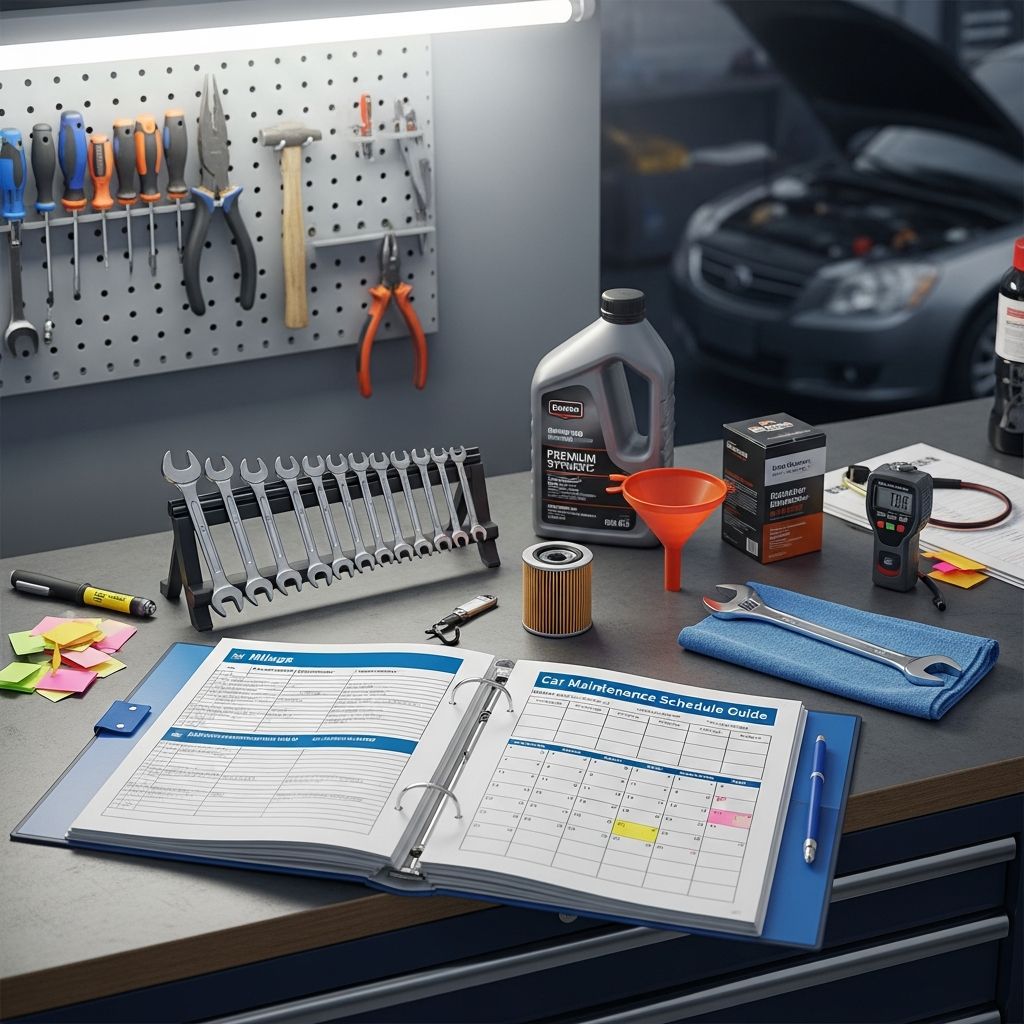
Regular vehicle maintenance is crucial for safety, fuel efficiency, and extending the life of your car. Following a structured schedule based on mileage helps prevent unexpected breakdowns and costly repairs. This guide outlines key tasks at various intervals, drawing from manufacturer recommendations and expert advice to keep your automobile in top condition.
Why Maintenance Schedules Matter
Adhering to a maintenance plan reduces wear on critical components, improves handling, and maintains warranty coverage. Neglecting services like fluid changes or filter replacements can lead to engine damage or tire failure. Most automakers suggest checks every 5,000 to 10,000 miles, with major services at 30,000-mile increments.
Essential Daily and Weekly Checks
Before diving into mileage-specific tasks, build habits for quick inspections to catch issues early:
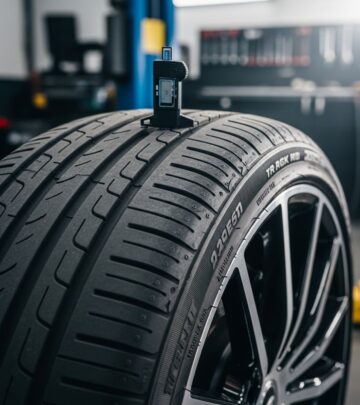
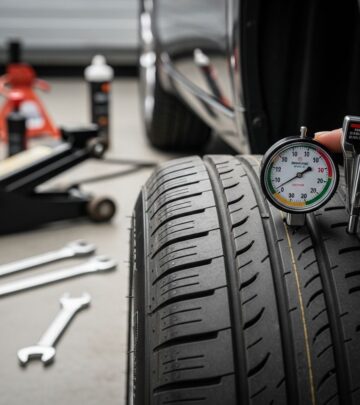
- Tire pressure: Check monthly using the placard on the driver’s door for recommended PSI; underinflation reduces efficiency by up to 3% per 1 PSI drop.
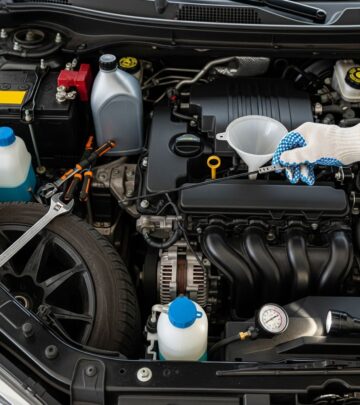
- Fluid levels: Inspect engine oil, coolant, brake fluid, and windshield washer weekly.
- Lights and wipers: Ensure headlights, taillights, and blades function properly before trips.
- Battery connections: Look for corrosion on terminals every three months.
These simple steps can prevent many roadside emergencies and are recommended by automotive experts.
Maintenance by Mileage Milestones
Organize your service around odometer readings for predictability. Always consult your owner’s manual for model-specific intervals.
Every 5,000 Miles: Basic Fluid and Tire Care
This frequent service focuses on lubrication and wear items. Change engine oil and filter using synthetic for longer intervals (up to 10,000 miles in modern engines). Rotate tires to promote even tread wear, extending their life by 20-30%.
| Task | Why It Matters | Estimated Cost |
|---|---|---|
| Oil and filter change | Removes contaminants preventing engine wear | $50-100 |
| Tire rotation | Ensures uniform traction and handling | $20-40 |
| Visual brake inspection | Detects pad wear early | Included |
10,000-15,000 Miles: Filter and Belt Inspections
Replace cabin and engine air filters to maintain air flow and fuel economy. Inspect belts for cracks and hoses for leaks, as these prevent overheating.
- Engine air filter: Improves combustion efficiency.
- Cabin filter: Keeps interior air clean, vital for allergy sufferers.
- Tire tread depth: Use penny test (Lincoln’s head should not show).
30,000 Miles: Mid-Term Comprehensive Service
A pivotal point for throttle body cleaning, fuel system flush, and suspension checks. Replace spark plugs if copper-tipped (iridium lasts longer).
Inspect exhaust for rust and alignment for straight tracking, reducing tire wear.
50,000 Miles: Brake and Transmission Focus
Major wear items emerge here. Replace brake pads if below 4mm, fuel filter, and transmission fluid/filter. Examine suspension bushings and shocks for leaks.
Pro Tip: At 50k, a full diagnostic scan catches electronic issues before they escalate.
60,000-90,000 Miles: Timing and Cooling Systems
Inspect or replace timing belt/chain to avoid catastrophic failure. Flush coolant and check water pump. New tires may be needed if tread is low.
| Component | Service Action | Interval Notes |
|---|---|---|
| Timing belt | Replace if applicable | Follow manual; critical for engine |
| Spark plugs | Inspect/replace | 100k for platinum types |
| Coolant | Flush and refill | Prevents corrosion |
100,000 Miles: High-Mileage Overhaul
Upgrade to high-mileage spark plugs and coolants. Full inspection of transmission, water pump, and O2 sensors. This milestone separates reliable vehicles from problem-prone ones.
125,000+ Miles: Advanced Component Replacement
Change O2 sensors, brake fluid, shocks/struts, and align wheels. Inspect A/C compressor and power steering fluid. For ultra-high mileage (180k+), check axle seals, timing chain, and fuel injectors.
- 180,000 miles: Clean airflow sensor, replace leaking seals.
- 250,000 miles: Fuel injector service, chassis inspection.
Seasonal and Driving Condition Adjustments
Tailor your schedule to climate and habits. Severe conditions (dusty roads, towing, extreme temperatures) halve intervals.
- Winter: Battery test, antifreeze check, wiper replacement.
- Summer: A/C service, coolant top-off.
- Highway vs. City: More frequent brake checks in stop-go traffic.
DIY vs. Professional Services
Many tasks like oil changes or air filters are DIY-friendly with basic tools, saving 50% on labor. Complex jobs (transmission flush, timing belt) require shops with diagnostics.
Track services in an app or logbook for warranty claims and resale value boost—well-maintained cars sell for 10-20% more.
Cost-Saving Maintenance Strategies
Bundle services (oil + rotation) for discounts. Use quality parts matching OEM specs. Early detection via regular checks avoids $1,000+ repairs.
| Mileage | Avg. Service Cost | Potential Savings from Prevention |
|---|---|---|
| 5k-30k | $200-500/year | $500 (engine issues) |
| 50k-100k | $800-1,500 | $2,000 (transmission) |
| 100k+ | $1,000-3,000 | $5,000+ (major overhaul) |
Frequently Asked Questions (FAQs)
What if I miss a maintenance interval?
Catch up ASAP; delayed services compound damage, but modern cars tolerate minor lapses.
How often should I replace tires?
Every 40,000-60,000 miles or when tread hits 2/32 inch, sooner in severe use.
Is synthetic oil always better?
Yes for most; lasts longer, better protection, per manufacturer guidelines.
EV maintenance differences?
Fewer oil changes; focus on tires, brakes, battery cooling.
Does maintenance improve fuel economy?
Up to 10% via clean filters, proper inflation, fresh fluids.
Tools and Resources for Tracking
Use odometer reminders, service stickers, or apps integrating with your manual. Join owner forums for model tips, but verify with official sources.
Investing time in maintenance yields years of reliable driving, safety for passengers, and financial savings. Prioritize based on your vehicle’s needs for peak performance.
References
- Scheduling Car Maintenance by Mileage: Your Checklist — Farm Bureau Financial Services. 2023. https://www.fbfs.com/learning-center/scheduling-car-maintenance-by-mileage
- Car Maintenance Schedule Checklist — CARFAX. 2024. https://www.carfax.com/maintenance/car-maintenance-schedules
- Car Maintenance Schedule — Jiffy Lube. 2024. https://www.jiffylube.com/resource-center/vehicle-maintenance-schedule
- The Car Maintenance Schedule You Should Follow — CarGurus. 2023. https://www.cargurus.com/Cars/articles/the-car-maintenance-schedule-you-should-follow
- Car Maintenance Guide: Everything You Need to Know — Kelley Blue Book. 2025. https://www.kbb.com/car-advice/maintenance-guide/
- Your Car Maintenance Checklist — Consumer Reports. 2024. https://www.consumerreports.org/cars/car-repair-maintenance/your-car-maintenance-checklist-a6808357212/
Similar Articles








Read full bio of medha deb