Car Loans When Rates Fall
Discover how dropping interest rates impact your existing car loan and strategies to lower payments through smart refinancing moves.
Your existing car loan remains locked at its original interest rate even if broader market rates decline significantly. However, proactive steps like refinancing can help you capture lower rates and reduce costs.
The Connection Between Market Rates and Auto Financing
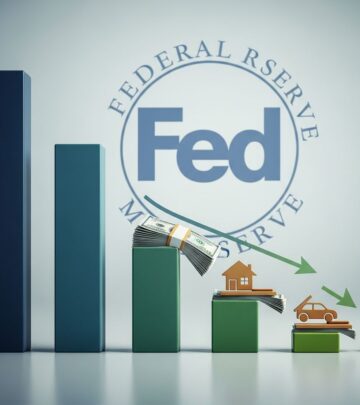
Interest rates in the auto lending market are influenced by the Federal Reserve’s federal funds rate, which serves as a benchmark for banks’ borrowing costs. When the Fed lowers this rate, as seen in recent cuts to 3.50%-3.75% by December 2025, it typically leads to reductions in the prime rate—now at 7.00%—prompting lenders to offer more competitive auto loan terms.
This ripple effect doesn’t instantly alter fixed-rate loans but creates opportunities for borrowers. Lenders base new car loan rates on factors beyond just the Fed’s actions, including credit profiles and economic conditions. For instance, prime borrowers with scores in the high 600s or above often secure the best deals when rates ease.
Why Your Current Loan Stays Unchanged
Most car loans feature fixed interest rates, meaning the terms you agreed to at origination hold steady regardless of external shifts. This stability protects against sudden hikes but also means you miss out on savings during downturns.
- Fixed vs. Variable Rates: Standard auto loans are fixed; variable ones, though rare, adjust with market indices.
- Loan Agreements: Contracts specify the rate won’t change unless refinanced or renegotiated.
- Market Lag: Even new loans may not drop immediately, as lenders assess competition and risk.
Recent data shows average new car loan rates at 9.43% and used at 14.15% in late 2025, despite Fed cuts, due to strong demand and tighter supply.
Refinancing: Your Path to Lower Payments
Refinancing replaces your current loan with a new one at a reduced rate, potentially slashing monthly payments and total interest. It’s viable when market rates fall 1% or more below your existing rate.
| Factor | Impact on Refinance Rate | Example Savings (on $25,000 loan) |
|---|---|---|
| Credit Score | Excellent (740+) gets lowest rates | From 7% to 5%: $92/mo savings |
| Loan Term | Shorter terms (36-48 mo) lower rates | 48 mo at 5% vs 72 mo at 6% |
| Vehicle Age | Newer models qualify better | Older cars may add 1-2% premium |
| Down Payment | Larger reduces lender risk | 20% down lowers rate by 0.5% |
Shorter terms carry less risk for lenders, yielding lower rates, while longer ones like 72-84 months incur higher costs over time.
Step-by-Step Guide to Refinancing Your Auto Loan
- Check Your Rate: Review your current loan statement for the exact APR, which includes fees alongside the base rate.
- Monitor Market Rates: Use tools from credit bureaus or lenders to compare current offers against yours.
- Review Credit: Pull your free credit report; improve scores if below 670 for optimal terms.
- Shop Lenders: Apply to banks, credit unions, and online platforms—preapprovals don’t hurt your score.
- Calculate Savings: Use online calculators to project payments; aim for at least $50 monthly reduction.
- Finalize: Pay off old loan with new funds; ensure title transfer smoothly.
Credit unions often provide lower rates due to member-focused models.
Costs and Potential Pitfalls of Refinancing
While beneficial, refinancing involves fees that could offset gains. Common expenses include:
- Application fees: $0-$200
- Title transfer: $10-$75 per state
- Prepayment penalties: Rare but check your contract (most states ban them)
- Extended term risk: Lowering payments by stretching terms increases total interest
Break-even analysis is key: Divide fees by monthly savings to determine payoff time. For example, $300 fees with $60 savings recoups in 5 months.
Timing Your Refinance for Maximum Benefit
Act within 3-6 months of rate drops, as lenders adjust gradually. Recent Fed cuts in 2025 have already trimmed prime rates, but auto rates lag due to vehicle demand. Avoid refinancing if:
- Your rate is within 0.5% of market
- Loan payoff is under 12 months
- Credit has worsened recently
Prime borrowers see the biggest drops post-cuts.
Alternatives if Refinancing Isn’t Ideal
Not everyone qualifies for refinancing. Consider these options:
- Loan Modification: Ask your servicer for rate adjustments—less common than refinance.
- Extra Principal Payments: Reduce balance faster to cut interest accrual without new loans.
- Lease Buyout or Trade-In: If equity exists, roll into a new deal at lower rates.
- Peer-to-Peer Lending: Platforms may offer competitive terms for strong profiles.
Building payments into savings can mimic rate reduction effects.
Real-World Impact: Payment Comparisons
Assume a $30,000 loan at 7% over 60 months: Monthly payment ~$594, total interest ~$5,640.
| New Rate | Monthly Payment | Total Interest | Savings vs Original |
|---|---|---|---|
| 5% | $566 | $3,960 | $1,680 |
| 4% | $552 | $3,120 | $2,520 |
| 6% | $579 | $4,740 | $900 |
Even a 1-2% drop yields meaningful relief, amplified on larger loans.
Frequently Asked Questions
Can I refinance multiple times?
Yes, but lenders may cap frequency; each requires credit checks.
Does refinancing hurt my credit?
Inquiries ding scores temporarily (5-10 points), but on-time payments boost it long-term.
What if rates drop further after I refinance?
Refinance again if savings justify fees—monitor Fed announcements.
Are there minimum loan amounts for refinance?
Often $7,500-$10,000; check lender policies.
How soon can I refinance after origination?
Typically 60-90 days to avoid seasoning restrictions.
Preparing for Future Rate Fluctuations
Stay informed on Fed meetings via official channels. Maintain strong credit by paying bills on time and keeping utilization low. Economic factors like inflation and supply chains also sway rates—2025’s cuts reflect cooling pressures.
Proactive borrowers who refinance timely can save thousands, turning rate drops into tangible financial wins.
References
- Why do car loan interest rates change with Federal Reserve rate hikes? — Caribou. 2025-12-10. https://caribou.com/resource-center/auto-refinance/why-do-car-loan-interest-rates-change-with-federal-reserve-rate-hikes/
- How does the Fed interest rate affect car loans? — Bankrate. 2024-12. https://www.bankrate.com/loans/auto-loans/fed-rates-and-auto-loans/
- Auto Loan Rates Trend Higher as Federal Reserve Cuts Rate Policy — Cox Automotive Inc. 2025-09. https://www.coxautoinc.com/insights-hub/auto-loan-rates-trend-higher-as-federal-reserve-cuts-rate-policy/
- 3 Key Factors That Affect Auto Loan Rates — Community First Credit Union. 2025. https://www.communityfirstfl.org/resources/blog/3-factors-that-affect-auto-loan-interest-rates
- Factors That Impact Your Auto Loan Interest Rate — North Jersey Federal Credit Union. 2025. https://njfcu.org/factors-that-impact-your-auto-loan-interest-rate/
Similar Articles








Read full bio of medha deb