Car Loans: Secured vs Unsecured Guide
Discover the key differences between secured car loans and unsecured personal loans for vehicle purchases, including rates, risks, and best choices for your needs.
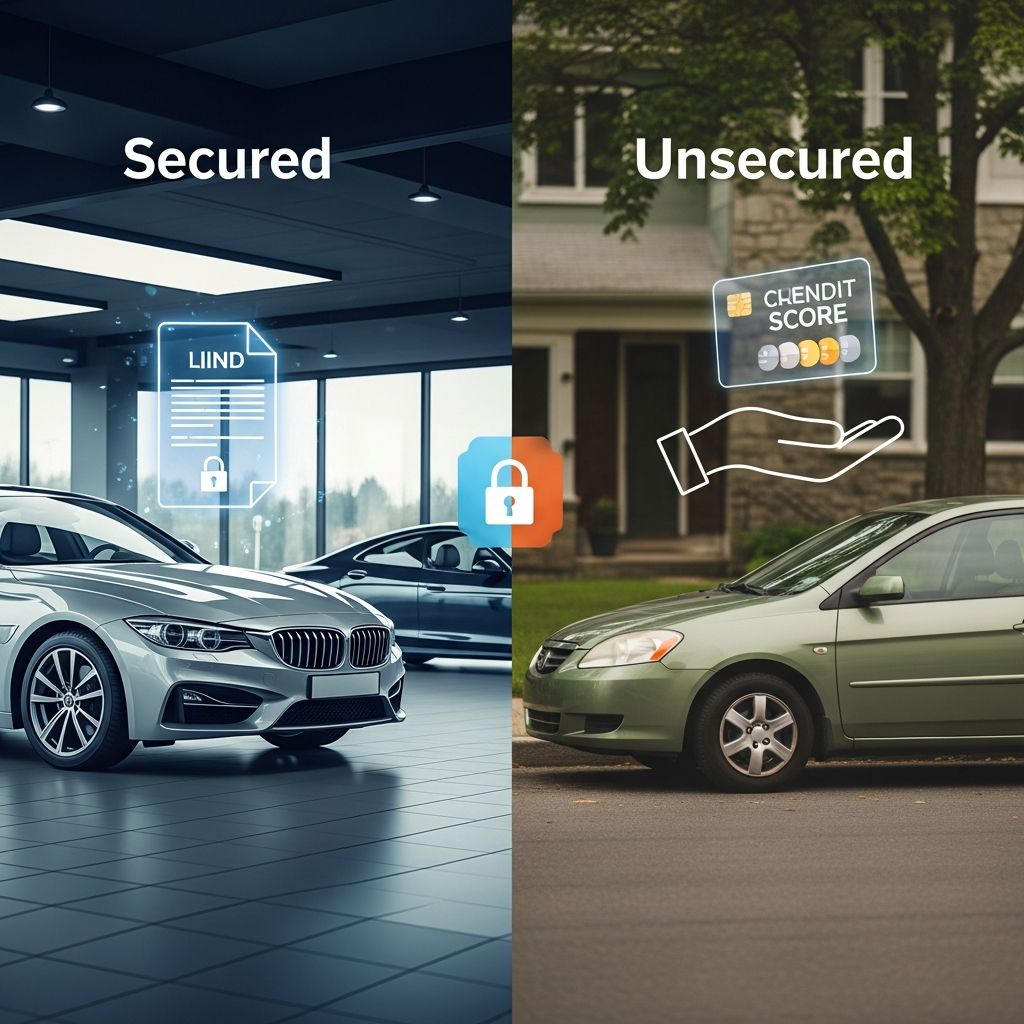
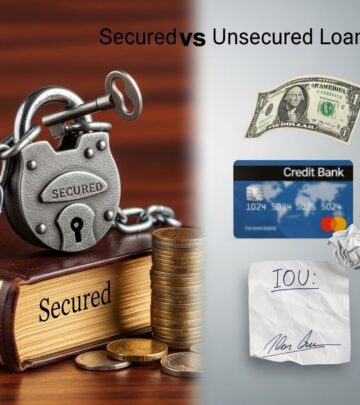
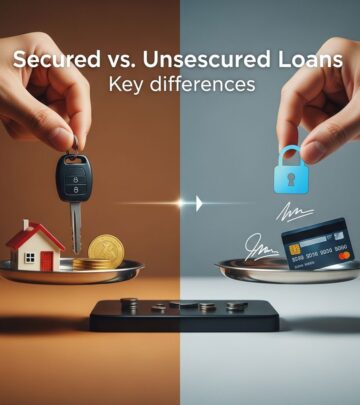
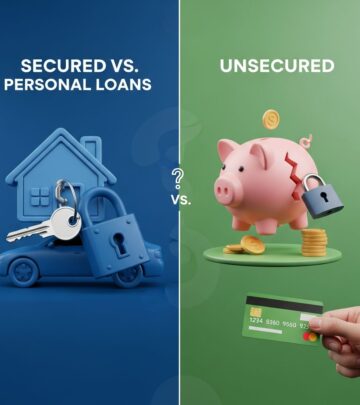
Traditional car loans are typically secured, meaning the vehicle itself acts as collateral, allowing lenders to repossess it in case of default. Unsecured alternatives, often personal loans, avoid collateral but come with stricter terms and higher costs due to increased lender risk.
Understanding Loan Security in Auto Financing
When financing a vehicle purchase, the distinction between secured and unsecured loans fundamentally shapes your borrowing experience. Secured loans tie the loan to a physical asset—the car—reducing the lender’s exposure. This setup enables more favorable terms like lower interest rates and extended repayment periods. In contrast, unsecured loans rely solely on your creditworthiness and income, absent any pledged property, which elevates the lender’s risk profile and influences pricing and eligibility.
Most dealerships, banks, and credit unions default to secured auto loans because the collateral provides a safety net. Borrowers benefit from this structure through accessible funding, even with moderate credit histories. Unsecured paths, while rarer for direct car buys, appeal to those prioritizing asset protection or seeking quick funds without liens.
How Secured Car Loans Operate
A secured car loan places a lien on the title of the purchased vehicle until full repayment. Lenders from banks, credit unions, online platforms, or dealerships assess the car’s value alongside your financial profile to determine loan amounts, typically up to 100-120% of the vehicle’s worth. Approval hinges on factors like credit score, debt-to-income ratio, and down payment size.
Upon default—often after missed payments—the lender initiates repossession, sells the car, and applies proceeds to the balance. Any shortfall becomes a deficiency judgment, potentially leading to collections or lawsuits. This process underscores why timely payments are critical, as delinquencies harm credit scores via bureau reports.
- Key Features: Lower APRs (often 4-7% for qualified borrowers), terms of 36-84 months, required full coverage insurance.
- Eligibility: Broader access; subprime scores may qualify with higher rates or larger down payments.
- Process: Vehicle appraisal, title lien filing, payment scheduling via autopay or manual.
Exploring Unsecured Financing for Vehicles
True unsecured car loans are scarce; instead, personal loans fill this role. These funds can purchase any car—new, used, private sale—without collateral attachment. Lenders evaluate credit scores (ideally 670+ FICO), income stability, and debt levels more rigorously, capping amounts at $50,000 or less depending on the institution.
Without asset backing, default risks collections, credit damage, or legal action, but your car remains safe from seizure. This freedom suits buyers avoiding insurance mandates or title restrictions. However, APRs range 6-36%, terms shorten to 12-60 months, and monthly payments intensify.
| Aspect | Secured Car Loan | Unsecured Personal Loan |
|---|---|---|
| Collateral | Vehicle required | None |
| Interest Rates | Lower (4-10% avg.) | Higher (6-36% avg.) |
| Loan Terms | Up to 84 months | 12-60 months |
| Approval Odds | Higher for fair credit | Stricter; good credit needed |
| Default Risk | Repossession | Credit hit, collections |
Advantages and Drawbacks of Each Option
Benefits of Secured Loans
Secured financing shines in affordability. Collateral mitigates lender risk, translating to competitive rates that save thousands over the loan life. Longer terms ease budgeting, and dealership integrations streamline buying. Even with credit challenges, options abound via subprime lenders.
Drawbacks of Secured Loans
The primary downside is repossession threat, disrupting transportation and credit. Title liens limit selling or trading without payoff, and insurance costs rise with comprehensive requirements. Appraisal discrepancies can shrink loan sizes.
Benefits of Unsecured Loans
Flexibility defines unsecured borrowing: no vehicle ties, optional insurance, private seller compatibility. Funds disburse quickly for cash purchases, preserving car ownership purity.
Drawbacks of Unsecured Loans
Higher rates inflate costs— a $20,000 loan at 10% secured vs. 15% unsecured adds $1,000+ in interest. Shorter terms demand steeper payments, and weak credit bars large sums.
Factors Influencing Your Choice
Select based on credit strength, risk tolerance, and goals. Excellent credit (740+) unlocks prime secured rates; fair scores favor them for accessibility. Need car freedom? Unsecured fits, despite premiums. Compute total costs via calculators: secured often wins on savings, unsecured on liberty.
Down payments enhance both: 10-20% cuts rates and principal. Shop multiple lenders—credit unions often undercut banks. Pre-approval strengthens negotiations.
Impact on Credit and Financial Health
Secured loans build payment history positively if managed well, but lates trigger dual hits: repossession (100-point FICO drop) and collections. Unsecured misses solely ding scores via reports, sans asset loss.
Both inquiries affect scores temporarily; shop within 14-45 days to minimize. High utilization from new debt weighs heavily—pay promptly.
Steps to Secure the Best Auto Financing
- Check Credit: Pull free reports from AnnualCreditReport.com; dispute errors.
- Calculate Affordability: Limit payments to 15% income; factor insurance, maintenance.
- Compare Offers: Use sites like Bankrate; note APR, fees, prepayment penalties.
- Negotiate: Leverage pre-approvals at dealerships.
- Review Terms: Confirm no balloon payments, clear default clauses.
Common Myths About Car Financing
- Myth: All car loans are identical. Fact: Secured dominate with better terms.
- Myth: Unsecured always costlier long-term. Fact: Short terms or excellent credit can compete.
- Myth: No down payment possible. Fact: Rare; boosts approval/rates.
Frequently Asked Questions
Can I buy a car with a personal loan?
Yes, unsecured personal loans fund vehicle buys without liens, ideal for private sales or insurance flexibility, though rates exceed secured options.
What credit score is needed for secured auto loans?
Scores from 500+ qualify, but 660+ secures best rates. Lenders weigh income too.
Does defaulting on a secured loan ruin credit forever?
No, repossessions linger 7 years but fade over time with positive history.
Are unsecured loans faster to get?
Often yes, with online approvals in days, no appraisals needed.
Should I refinance from unsecured to secured?
Possible post-purchase if equity builds, slashing rates.
Strategies for Minimizing Borrowing Costs
Boost credit pre-application: pay debts, avoid inquiries. Larger down payments shrink loans. Buy during promotions for 0% deals (secured). Refinance after 6-12 months if rates drop or credit improves. Co-signers aid weak profiles but share risks.
Electric vehicle incentives may pair with secured loans for rebates. Lease vs. buy analysis: leases mimic unsecured freedom sans ownership.
References
- Is an Auto Loan Secured or Unsecured? — SoFi. 2023-2025 (accessed 2026). https://www.sofi.com/learn/content/is-an-auto-loan-secured-or-unsecured/
- Is a Car Loan Secured or Unsecured? — Experian. 2024-2026 (accessed 2026). https://www.experian.com/blogs/ask-experian/is-car-loan-secured-or-unsecured/
- Secured vs. Unsecured Car Loans: What’s the Difference? — Capital One. 2024-2026 (updated). https://www.capitalone.com/cars/learn/managing-your-money-wisely/secured-vs-unsecured-car-loans-whats-the-difference/1294
- Secured vs. Unsecured Loans — Regions Bank. 2023-2026. https://www.regions.com/insights/personal/article/secured-vs-unsecured-loans
Similar Articles








Read full bio of medha deb