Car Loan or Credit Card: Which Debt to Tackle First?
Discover smart strategies to prioritize debt repayment between high-interest credit cards and lower-rate car loans for maximum savings.
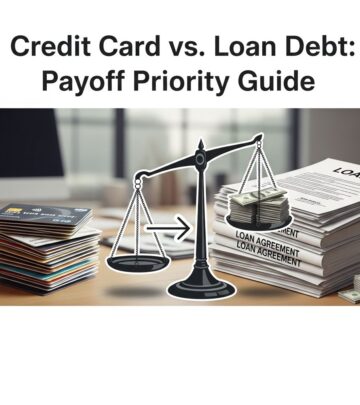
When juggling multiple debts, deciding where to direct extra cash can feel overwhelming. Credit card balances and car loans are common financial burdens, but their differing terms demand a strategic approach. Generally, targeting high-interest credit card debt first saves more money over time due to steeper rates and compounding effects.
Understanding the Debt Landscape
Household debt in the U.S. has reached significant levels, with auto loans totaling $1.67 trillion and credit card balances at $1.28 trillion as of late 2025. Many people face both simultaneously, especially since over 84% of new cars and nearly 39% of used ones are financed. This overlap creates tough choices: Should you accelerate car payments to own your vehicle outright sooner, or clear revolving credit card debt to halt escalating interest?
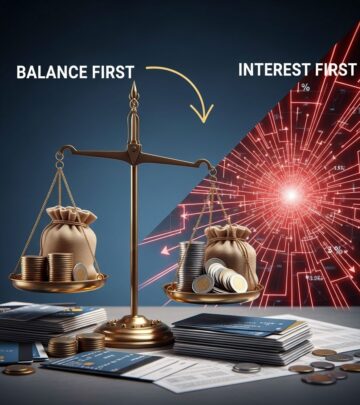
The core decision hinges on cost efficiency. Credit cards typically charge over 21% APR, while car loans average around 7.64% for five-year terms. This gap means credit card debt grows faster if ignored.
Key Factors Driving Your Decision
Several elements influence whether to prioritize one debt over the other. Here’s a breakdown:
- Interest Rates: The primary driver. Higher rates on cards amplify costs quickly.
- Debt Type: Revolving (credit cards) vs. installment (car loans) affects repayment dynamics.
- Credit Score Impact: Utilization ratios and payment history play roles.
- Personal Circumstances: Penalties, cosigners, or promo rates can shift priorities.
| Factor | Credit Card Debt | Car Loan |
|---|---|---|
| Average APR (2025) | 21%+ | 7.64% |
| Interest Calculation | Daily compounding | Simple, on principal |
| Payment Structure | Minimums, variable | Fixed monthly |
| Prepayment Penalty | Rare | Possible |
Why Credit Card Debt Usually Comes First
Financial experts recommend tackling credit cards ahead of car loans in most cases. The math is compelling: Suppose you owe $5,000 on a card at 14.99% APR with $250 monthly payments. After 24 months, you’d pay about $790 in interest. Contrast that with a $5,000 car loan at 5.25% APR and $220 payments—total interest is just $220 over the same period. Prioritizing the card saves $570.
Compounding daily on cards means balances snowball. Each purchase or minimum payment adds to the interest base. Car loans use simple interest, so payments steadily reduce the principal without this multiplier effect. Variable card rates can also rise, complicating budgets, unlike fixed car payments.
Lowering credit utilization—ideally under 30%—boosts scores quickly. Paying cards reduces this ratio, a major FICO factor. Car loans, being installment debt, contribute positively to credit mix but closing them early might shorten history, potentially harming scores if it’s your only such account.
Scenarios Where Car Loans Take Priority
Exceptions exist. Consider these cases for flipping the strategy:
- Your card has a 0% introductory APR, buying time without interest accrual.
- A prepayment penalty on the car loan exceeds savings from early payoff.
- A cosigner on the auto loan needs relief from liability.
- High car utilization impacts credit positively; paying it off could close the account and hurt mix.
- Refinancing the car requires lowering loan-to-value ratio first.
Rising car payments—now often $1,000+ monthly—strain budgets, pushing reliance on cards. If missing car payments risks repossession and job loss (essential for commuting), protect it while minimizing cards.
Proven Repayment Strategies
Don’t just pick one—use a hybrid approach. Always cover minimums on all debts to avoid late fees and credit dings.
Debt Snowball Method
List debts smallest to largest, paying minimums on all but extra on the smallest. Momentum from quick wins motivates.
Debt Avalanche Method
Target highest interest first (usually cards), minimizing total interest. More efficient mathematically.
Example comparison for $10,000 total debt ($5k card at 20%, $5k car at 7%):
| Method | Time to Pay Off | Total Interest |
|---|---|---|
| Avalanche (Card First) | 28 months | $1,450 |
| Snowball (Car First) | 32 months | $1,780 |
Real-World Tools and Tips
Use calculators to model scenarios. Input balances, rates, and payments to forecast timelines and interest. Track progress monthly.
- Negotiate card rates—many issuers lower for good customers.
- Balance transfer to 0% cards if eligible.
- Refinance car loans for lower rates post-card payoff.
- Build emergency fund to avoid new debt.
Monitor delinquencies: Credit cards saw upticks in serious late payments recently, while auto loans dipped slightly. Stay current to protect scores.
Long-Term Financial Health
Beyond payoff order, address root causes. High car payments trigger card use for essentials. Budget holistically: Cut non-essentials, side hustle, or downsize vehicles.
Improving credit via smart payoffs unlocks better rates on future loans. Aim for diverse mix: Keep some installment debt open.
Frequently Asked Questions
Will paying off my car loan improve my credit more than cards?
Not necessarily. Reducing card utilization often boosts scores faster, but on-time installment payments build positive history.
What if both have similar rates?
Compare total costs and personal factors like emotional wins or collateral risk.
Can I pay both aggressively?
Yes, after minimums. Split extras proportionally or fully on one first.
Does debt payoff order affect taxes?
Rarely—forgiven debt might be taxable, but standard payoffs aren’t.
How soon can I see credit improvements?
Balances update monthly; scores can rise in 1-2 cycles with lower utilization.
Steps to Get Started Today
- Gather statements: Note balances, APRs, minimums.
- Calculate extras: Budget windfalls or cuts for acceleration.
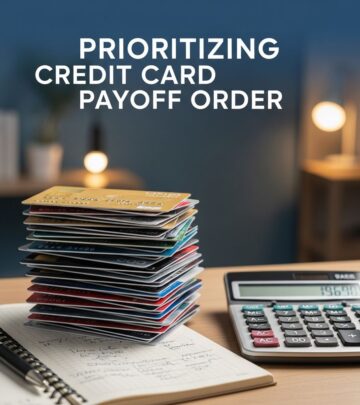
- Prioritize: High-interest card unless exception applies.
- Automate payments: Prevent misses.
- Review quarterly: Adjust as balances drop.
Consistent action compounds savings like interest does debt. Start with cards for quick wins, secure your vehicle, and build toward debt freedom.
References
- Should I Pay Off My Car or Credit Card? — Experian. 2025-08. https://www.experian.com/blogs/ask-experian/should-i-pay-off-my-car-or-my-credit-card/
- Should I Pay off My Credit Card or Car Loan First? — RateGenius. 2025. https://www.rategenius.com/pay-off-credit-card-or-car-loan-first
- When a Car Payment Becomes a Budget Breakpoint — National Debt Relief. 2025. https://www.nationaldebtrelief.com/blog/financial-wellness/family-finances/when-a-car-payment-becomes-a-budget-breakpoint/
- Quarterly Report on Household Debt and Credit — Federal Reserve Bank of New York. 2025-Q4. https://www.newyorkfed.org/microeconomics/topics/credit-cards-auto-loans
Similar Articles








Read full bio of medha deb