Car Loan Inquiries: Credit Impact Explained
Discover how multiple credit checks for auto financing affect your score and smart strategies to shop without harm.

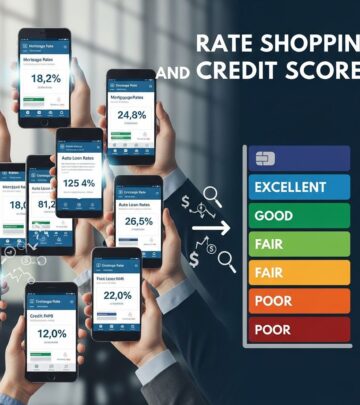
When financing a new or used vehicle, potential buyers often explore options from various lenders to secure the best interest rates and terms. This process frequently involves submitting applications that result in hard credit inquiries. While a single inquiry has a limited effect on credit scores, concerns arise about the cumulative impact of several such checks. Fortunately, major credit scoring systems are designed to accommodate this “rate shopping” behavior, grouping related inquiries to prevent undue penalties.
Understanding Hard Inquiries in Auto Financing
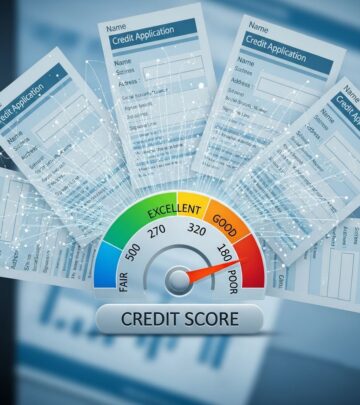
Hard inquiries occur when a lender reviews your full credit report as part of a loan application process. Unlike soft inquiries, which do not affect scores and are used for pre-approvals or account reviews, hard inquiries are visible to other lenders and can influence scoring models. For car loans, these typically happen at dealerships where finance teams shop your application across multiple banks or when you apply directly with lenders.
The primary worry is score reduction. Each hard inquiry can lower scores by a few points, but the effect diminishes over time. Most models consider inquiries from the past 12 months, with older ones having negligible impact. Inquiries remain on reports for up to two years but lose scoring weight after one year.
- Dealership process: Finance managers often pull credit from several lenders simultaneously to present competitive offers.
- Direct applications: Online pre-qualifications may lead to hard pulls if you proceed.
- Timing matters: Concentrating applications minimizes separate scoring hits.
How Scoring Models Group Auto Loan Inquiries
Credit bureaus and scoring companies recognize that consumers compare auto loan offers. To support this, they bundle multiple inquiries for the same loan type within a defined window, treating them as a single event. This rate-shopping provision applies specifically to mortgages, auto loans, and sometimes student loans, but not credit cards or personal loans.
| Scoring Model | Window Period | Key Features |
|---|---|---|
| FICO (Newer Versions) | 45 days | Ignores inquiries from past 30 days; older FICO uses 14 days. |
| FICO (Older Versions) | 14 days | Commonly used by many lenders. |
| VantageScore | 14 days | Does not ignore recent inquiries; treats as one within window. |
This grouping ensures that diligent shoppers are not penalized. For instance, if five lenders check your credit within 45 days for an auto loan, FICO counts it as one inquiry. Different loan types do not qualify; a car loan inquiry alongside a mortgage counts separately.
FICO vs. VantageScore: Key Differences for Borrowers
Lenders use various scores, so understanding variances helps. FICO dominates auto lending, with versions like FICO Auto Score tailored for vehicle financing. Newer iterations offer a generous 45-day window and disregard very recent pulls. VantageScore, used by some institutions, employs a stricter 14-day period but still consolidates.
Hard inquiries represent only about 10% of FICO scores, making them a minor factor compared to payment history (35%) or amounts owed (30%). A strong profile withstands multiple inquiries without denial.
- FICO benefits: Longer windows suit extended shopping.
- VantageScore: Shorter but consistent across credit types.
- Multiple scores: You may see variations; focus on overall health.
Strategies to Minimize Credit Inquiry Risks
To optimize financing without score damage, plan your search efficiently. Start with soft-pull pre-qualifications from banks or online tools to gauge rates without hard inquiries. Then, limit hard applications to a 14-45 day span.
- Research first: Use auto loan calculators and rate comparison sites.
- Get pre-approved: Secure offers from credit unions or banks before dealership visits.
- Shop dealerships strategically: Authorize one comprehensive pull rather than sequential ones.
- Monitor reports: Check free weekly reports from AnnualCreditReport.com.
Aim to complete shopping within two weeks for maximum protection under all models. If denied initially, especially with lower scores, space re-applications carefully.
Long-Term Effects and Recovery Timeline
Even if inquiries count separately, impacts are temporary. Scores often rebound within months if payments remain current. Lenders view recent inquiries contextually; clustered auto pulls signal shopping, not desperation.
Excessive inquiries beyond windows or across unrelated products raise red flags, suggesting financial instability. For example, multiple credit card apps signal risk, unlike bundled auto ones.
- Score drop: Typically 5-10 points per ungrouped inquiry.
- Recovery: 3-6 months with good habits.
- Visibility: All inquiries list individually on reports for two years.
Special Considerations for Different Borrowers
Credit profiles influence tolerance. Excellent scores (800+) absorb hits easily, while subprime (below 600) borrowers face scrutiny. Those rebuilding credit should prioritize pre-approvals to avoid unnecessary pulls.
Dealership tactics vary; some perform blanket pulls, others sequential. Request upfront how they handle shopping to control exposure. Co-signers’ inquiries also appear, affecting both parties.
FAQs on Car Loan Credit Inquiries
Q: How long do hard inquiries stay on my credit report?
A: Up to two years, but scoring impact fades after 12 months.
Q: Do pre-approvals cause hard inquiries?
A: Usually soft pulls; confirm with the lender to avoid surprises.
Q: Can I remove unwanted inquiries?
A: Only if unauthorized; dispute via bureaus like Equifax or TransUnion.
Q: Does shopping for a lease work the same?
A: Yes, treated as auto financing inquiries.
Q: What if inquiries span models’ windows?
A: Excess pulls count separately; keep shopping focused.
Building Credit Resilience Before Financing
Proactive steps enhance negotiating power. Pay down debt to boost utilization below 30%, ensure on-time payments, and avoid new credit during shopping. Higher scores unlock prime rates, saving thousands over loan terms.
Consider credit-builder loans or secured cards pre-purchase. Review all three reports (Experian, Equifax, TransUnion) for errors. Free tools from bureaus provide VantageScore insights.
Comparing Loan Options Efficiently
Beyond inquiries, evaluate APR, terms, fees, and lender reputation. Credit unions often offer lower rates than dealership financing. Use aggregator sites for soft quotes first.
| Lender Type | Pros | Cons |
|---|---|---|
| Credit Unions | Low rates, member perks | Membership required |
| Online Lenders | Fast approval, competitive | Less personal service |
| Dealerships | Convenience, promotions | Higher markups |
Navigating Denial and Reapplication
If rejected, request adverse action notices detailing reasons. Address issues like high debt-to-income before retrying. Subprime specialists exist but charge more; improve scores for better terms.
Multiple denials? Pause and build credit. Government resources like CFPB offer guidance on disputes and rights.
References
- Multiple Inquiries When Shopping for a Car Loan — Experian. 2023. https://www.experian.com/blogs/ask-experian/multiple-inquiries-when-shopping-for-an-car-loan/
- Will Applying for Multiple Car Loans Affect My Credit? — RateGenius. 2023. https://www.rategenius.com/credit-impact-from-multiple-car-loan-applications
- How will shopping for an auto loan affect my credit? — Consumer Financial Protection Bureau. 2023-10-01. https://www.consumerfinance.gov/ask-cfpb/how-will-shopping-for-an-auto-loan-affect-my-credit-en-763/
- Understanding Hard Inquiries on Your Credit Report — Equifax. 2024. https://www.equifax.com/personal/education/credit/report/articles/-/learn/understanding-hard-inquiries-on-your-credit-report/
- How Many Hard Credit Inquiries Are Too Many? — Discover. 2024. https://www.discover.com/credit-cards/card-smarts/too-many-credit-inquiries/
Similar Articles








Read full bio of Sneha Tete