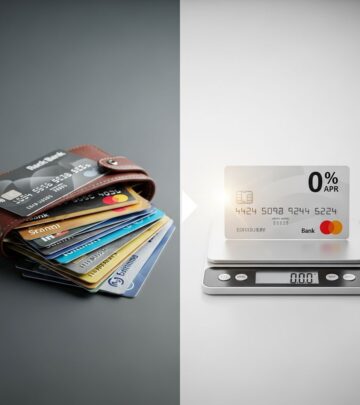
Car Loan Balance Transfers Explained
Discover if transferring your auto loan balance to a credit card or another lender can save money and simplify payments.

Transferring the balance of a car loan can take different forms, such as moving debt to a 0% interest credit card or handing over responsibility to a new owner. This strategy aims to reduce costs, free up the vehicle title, or facilitate sales, but it requires careful evaluation of fees, eligibility, and risks.
What Does a Car Loan Balance Transfer Mean?
A balance transfer for an auto loan typically involves shifting the outstanding debt from your current lender to a new source, like a balance transfer credit card or a new borrower’s loan. Unlike credit card transfers, auto loans are secured by the vehicle, so paying off the loan via credit card releases the lien, granting full ownership. Alternatively, transferring to another person means the new party assumes payments, often requiring lender approval and a credit check.
This process differs from refinancing, where you replace one auto loan with another at better terms. Balance transfers to cards convert secured debt to unsecured, eliminating repossession risk but introducing high-interest exposure post-promotion.
Key Types of Auto Loan Balance Transfers
- Credit Card Balance Transfer: Use a promotional 0% APR card to pay off the loan, ideal for smaller balances payable within 12-21 months.
- Transfer to Another Person: New borrower takes over payments; rare direct transfers exist, usually requiring payoff and new loan.
- Refinance or Dealer-Assisted Transfer: Switch lenders or use dealers for paperwork during sales, including registration and insurance updates.
Benefits of Transferring Your Auto Loan Balance
Moving debt can lower immediate costs and improve financial flexibility. For instance, a 0% APR card eliminates interest during the intro period, potentially saving hundreds compared to a 7% auto loan.
| Aspect | Auto Loan | Balance Transfer Card |
|---|---|---|
| Upfront Fee | $0 | 3-5% of balance (e.g., $386.50 on $10K) |
| Monthly Payment | $322 (est.) | Higher to pay off in promo period (e.g., $386.50) |
| Interest Costs (over promo) | $403 | $0 |
| Total Cost (example) | $8,133 | $8,116.50 |
In this example, total costs slightly favor the card despite higher payments, due to no interest. Other perks include lower monthly strain if terms align and owning the car outright, avoiding repossession.
- Potential for reduced overall payments if new terms are favorable.
- Unsecured debt post-transfer protects the vehicle.
- Simplifies sales by clearing liens.
Drawbacks and Risks to Consider
Not all scenarios save money. Balance transfer fees (3-5%) add upfront costs, and post-promo APRs often exceed 20%, far above auto loan rates. Higher monthly payments are needed to clear debt before promo ends, straining budgets.
- Credit Impact: Applications trigger hard inquiries; maxed cards hurt scores.
- Time Limits: 15-21 months typical; unfinished balances accrue retroactive interest.
- Transfer Restrictions: Lenders rarely allow direct person-to-person shifts without payoff.
- Fees and Taxes: Registration, insurance transfers, and DMV costs during ownership changes.
For sales, buyers must qualify independently, complicating deals.
Is a Credit Card Transfer Right for Your Auto Loan?
Best for low balances ($5K-$10K) payable in the promo window. Calculate: if monthly budget covers accelerated payments and total (balance + fee) beats loan interest, proceed. Avoid if balance exceeds promo payoff capacity or credit is fair/poor—approval odds drop.
Step-by-Step Guide to Credit Card Balance Transfer
- Review Current Loan: Note balance, lender, account number, interest rate.
- Find Suitable Card: Seek 0% APR offers (e.g., 18-21 months), low fees; check eligibility via prequalify tools.
- Apply Online: Provide name, SSN/ITIN, income, address, employment details.
- Initiate Transfer: Online, phone, check, or deposit—specify loan details.
- Pay Off Loan: Use funds to clear auto debt; confirm title release.
- Pay Card Aggressively: Automate payments to beat promo end.
How to Transfer a Car Loan to Another Person
Direct transfers are uncommon; most require payoff via new loan.
- Contact Current Lender: Inquire about assumability or payoff quote; ensure good standing.
- Buyer Applies: New party submits credit app; lender verifies ability to pay.
- Payoff and Title Update: Use buyer’s loan proceeds; visit DMV for title/registration transfer with IDs, bill of sale.
- Handle Insurance: Transfer or get new policy.
Dealers can streamline for sales.
Eligibility Requirements for Transfers
Credit card transfers need good credit (670+ FICO), stable income. Person-to-person requires buyer qualification, vehicle condition check, loan in good standing.
- Documents: ID, income proof, bank statements, KYC, photos.
- Vehicle: No major damage; lien release post-payoff.
Alternatives to Balance Transfers
- Refinance Auto Loan: Shop lower rates without card risks.
- Personal Loan: Unsecured, potentially lower rates than cards.
- Payoff with Savings: Cash purchase frees title immediately.
- Dealer Buyback: Handles all paperwork.
Frequently Asked Questions (FAQs)
Can I transfer my car loan to a credit card?
Yes, if the balance qualifies and you can repay during 0% period; pay loan directly with card funds.
Does transferring release the car title?
Yes, payoff removes lien, giving ownership.
Can someone else take over my car payments?
Rarely directly; usually new loan pays off old.
What fees apply to balance transfers?
3-5% of amount; plus potential lender prepayment penalties.
How long do promo periods last?
12-21 months typically.
Will a transfer hurt my credit?
Hard inquiry and utilization changes may dip score temporarily.
Final Tips for Successful Transfers
Compare total costs, read terms, avoid new debt on the card. Consult lender early for sales. Track promo clocks rigorously.
References
- The Step-by-Step Process of Car Loan Balance Transfer — Bhumi Finance. 2023. https://bhumifinance.com/blogs/smooth-transitions-the-step-by-step-process-of-car-loan-balance-transfer
- Balance Transfer for Auto Loans: Should You Try It? — Experian. 2024-10-15. https://www.experian.com/blogs/ask-experian/balance-transfer-for-auto-loans/
- How to Transfer a Car Loan to Another Person — Chase. 2025. https://www.chase.com/personal/auto/education/selling/how-to-transfer-a-car-loan-to-another-person
- Can You Transfer a Car Loan to Someone Else? — OneMain Financial. 2024. https://www.onemainfinancial.com/resources/loan-basics/can-you-transfer-a-car-loan-to-someone-else
- How to Transfer a Car Loan to Another Person — Upstart. 2024. https://www.upstart.com/learn/transfer-car-loan-to-another-person/
- What is a Balance Transfer & How Does it Work? — Bank of America. 2025. https://bettermoneyhabits.bankofamerica.com/en/debt/how-do-balance-transfers-work
- Pros and Cons of Transferring Auto Loan Debt to 0% Credit Card — RateGenius. 2024. https://www.rategenius.com/pros-cons-loan-debt-credit-card
Similar Articles








Read full bio of medha deb