Car Liens: What They Mean And How To Remove Them
Discover how car liens protect lenders, impact your ownership rights, and what steps to take for buying, selling, or clearing them from your vehicle title.
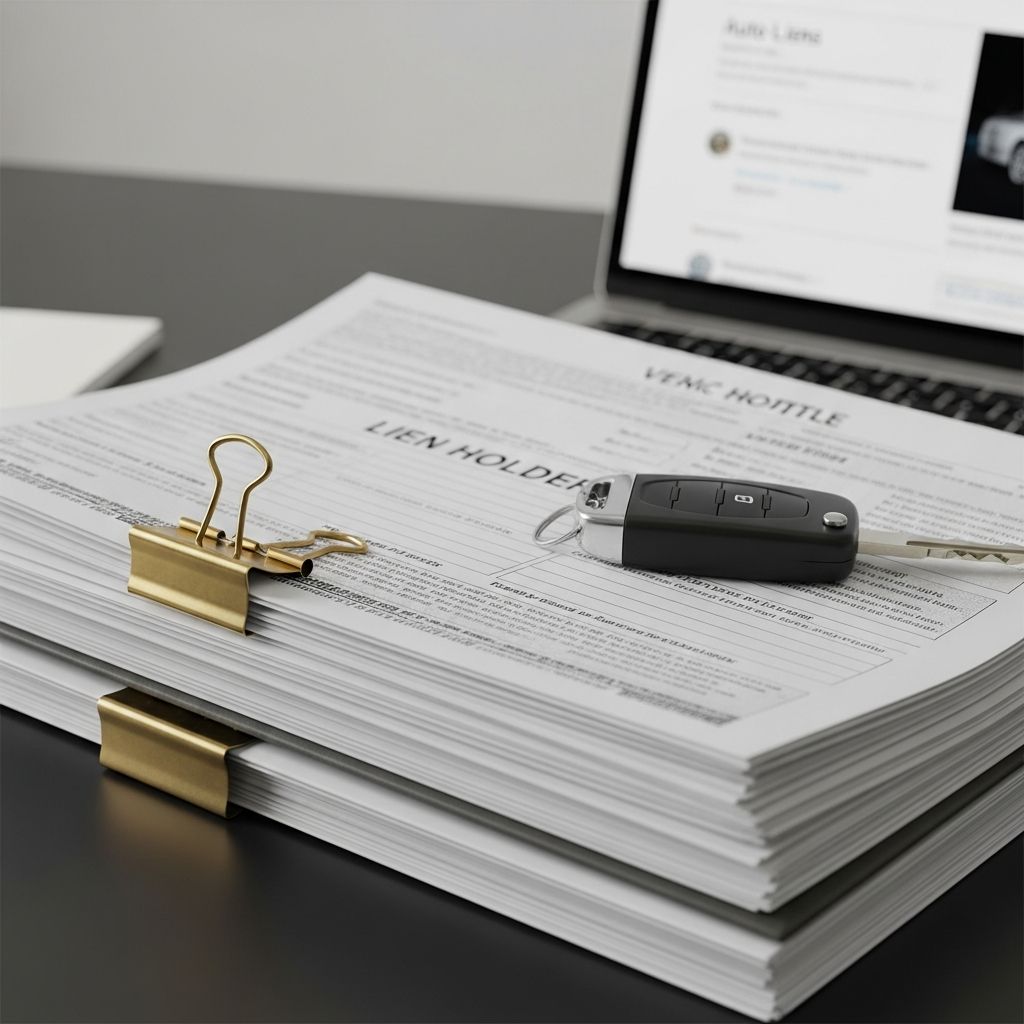
A car lien represents a legal interest that a creditor holds over your vehicle, serving primarily as security for a debt. This mechanism ensures lenders or service providers can recover funds if obligations go unmet, directly influencing vehicle ownership and transactions.
Defining a Car Lien and Its Core Purpose
At its essence, a lien on a car grants a third party—often a lender—the right to seize the vehicle if you fail to fulfill financial commitments tied to it. Unlike outright ownership transfer, it allows you continued use of the car while the claim persists on the title. This arrangement is standard in auto financing, where banks or dealerships list themselves as lienholders until full repayment.
The primary goal of such liens is risk mitigation for creditors. By tying the loan to the asset’s value, they deter default and provide recourse through repossession. This applies broadly beyond autos, seen in home mortgages or contractor disputes, but vehicle liens uniquely affect mobility and resale.
How Liens Establish and Function in Practice
Liens form through contractual agreements or legal mandates. In financing scenarios, signing a loan automatically registers the lien on your title via the Department of Motor Vehicles (DMV) or equivalent state agency. The process is electronic in many states, streamlining notifications between lienholders and registries.
Functionally, the lienholder retains title control. You possess the car but cannot sell or transfer it freely without their clearance. Default triggers repossession rights, where the lender recovers the vehicle to auction or retain against the balance owed. Insurance often lists the lienholder to prioritize their payout in total loss events.
- Daily Impact: Drive freely, but modifications or sales require approval.
- Insurance Tie-In: Lenders mandate comprehensive/collision coverage.
- Repayment Trigger: Full loan settlement prompts lien release.
Categories of Vehicle Liens: Voluntary vs. Involuntary
Vehicle liens divide into voluntary and involuntary types, each arising differently yet sharing enforcement mechanisms.
Voluntary Liens from Financing Agreements
These occur when you consent to a lien for purchase funds. Banks, credit unions, or dealers hold them, noted on the title from origination. They cover principal, interest, and fees until payoff. Most common, they represent over 90% of liens per industry patterns.
Involuntary Liens Imposed by Law or Services
These emerge without borrower consent, often from unpaid obligations. Key subtypes include:
- Mechanic’s Liens: Repair shops file for unpaid work, potentially seizing the car.
- Government/Tax Liens: For unpaid taxes, fines, or tolls; state agencies enforce.
- Judgment Liens: Court-awarded debts lead creditors to claim vehicle equity.
- Child Support Liens: Enforcement bodies attach for arrears, varying by state.
Priority follows filing order: first-in-time claims settle before later ones during sales or repos.
Effects of Liens on Ownership and Transactions
Liens profoundly shape vehicle handling. Ownership feels complete, but legal title resides with the lienholder, blocking unilateral actions.
| Action | With Lien | Without Lien |
|---|---|---|
| Selling/Trading | Lienholder payoff required | Free transfer |
| Refinancing | Existing lien subordination | Direct new lien |
| Insurance Payout | Lienholder paid first | Owner receives full |
| Modifications | Often restricted | No limits |
Multiple liens compound issues, demanding sequential clearances for clean title.
Navigating Liens When Buying or Selling Vehicles
Buyer Precautions
Verify liens via title inspection, VIN-based history reports (e.g., Carfax), or DMV searches. Clean titles show no lien notations; electronic systems confirm status instantly. Beware private sales—sellers may conceal liens, leaving you liable.
Seller Responsibilities
Disclose liens upfront. At sale, use escrow for payoff, obtaining release post-funding. Dealerships handle this routinely, wiring lender directly.
For liened cars, calculate payoff quote including interest to date. Post-release, titles update within weeks.
Strategies for Removing or Managing Liens
Clearance demands debt satisfaction. Request lien release post-final payment; lenders file electronically.
- Refinance: New lender pays old, assumes lien.
- Settlement: Negotiate reduced payoff for delinquents.
- Dispute Involuntary: Challenge via courts if erroneous.
Monitor status via DMV portals. Delays? Follow up with lienholder for paperwork.
Insurance Interplay with Vehicle Liens
Lienholders demand ‘lienholder interest’ listing on policies, ensuring accident/total loss payouts route to them first. This safeguards loan balances over owner equity. Maintain coverage or face default acceleration.
State Variations and Legal Frameworks
Rules differ: some states permit individual liens, others limit to institutions. Electronic Lien and Title (ELT) systems in places like Arizona expedite processes. New Jersey holds titles until payoff. Consult local DMV for specifics.
Frequently Asked Questions (FAQs)
What exactly constitutes a lien on my car title?
A recorded legal claim by a creditor on your vehicle’s title, securing debt repayment until cleared.
Can someone like a family member hold a lien?
Yes, if they financed your purchase and properly file, though state rules apply.
Does a lien prevent normal car use?
No, you drive and maintain it, subject to lender terms like insurance.
How do multiple liens get resolved?
In filing order—senior liens paid first from sale proceeds.
What’s the process to release a paid-off lien?
Lender issues release form, files with DMV; title updates follow.
Are liens always from loans?
No, also from repairs, taxes, judgments, or child support.
Pro Tips for Lien-Free Vehicle Ownership
- Shop rates before financing to minimize lien duration.
- Run VIN checks on purchases.
- Keep payment records for disputes.
- Notify insurer of lien changes.
- Budget for payoff at sales.
Mastering liens empowers informed auto decisions, avoiding pitfalls in financing and ownership.
References
- What Is a Lien on a Car or Vehicle? — Upstart. 2023. https://www.upstart.com/learn/what-is-a-lien-on-a-car/
- What Is a Lien on a Vehicle? Understanding Your Car’s Legal Ties — SafeLend Canada. 2023. https://www.safelend.ca/post/what-is-a-lien-on-a-vehicle-understanding-your-car-s-legal-ties
- What Is a Car Lien? Everything You Need To Know — Upsolve. 2023. https://upsolve.org/learn/car-liens/
- What Is a Lien on a Car and How Does It Work? — OneMain Financial. 2023. https://www.onemainfinancial.com/resources/loan-basics/what-is-a-lien-on-a-car-and-how-does-it-work
- What Is a Lienholder on an Insurance Policy? — Allstate. 2023. https://www.allstate.com/resources/car-insurance/what-is-a-lienholder
- Liens — New Jersey Motor Vehicle Commission (NJ MVC). 2025-02-01. https://www.nj.gov/mvc/vehicles/liens.htm
- Vehicle Liens — Arizona Department of Transportation (AZDOT). 2025-01-15. https://azdot.gov/mvd/services/vehicle-services/title-and-registration/vehicle-liens
Similar Articles








Read full bio of medha deb