Car Leasing Essentials: 5 Steps To Secure A Better Deal
Discover comprehensive insights into car leasing options, from standard agreements to specialized programs, helping you choose the best fit for your driving lifestyle.
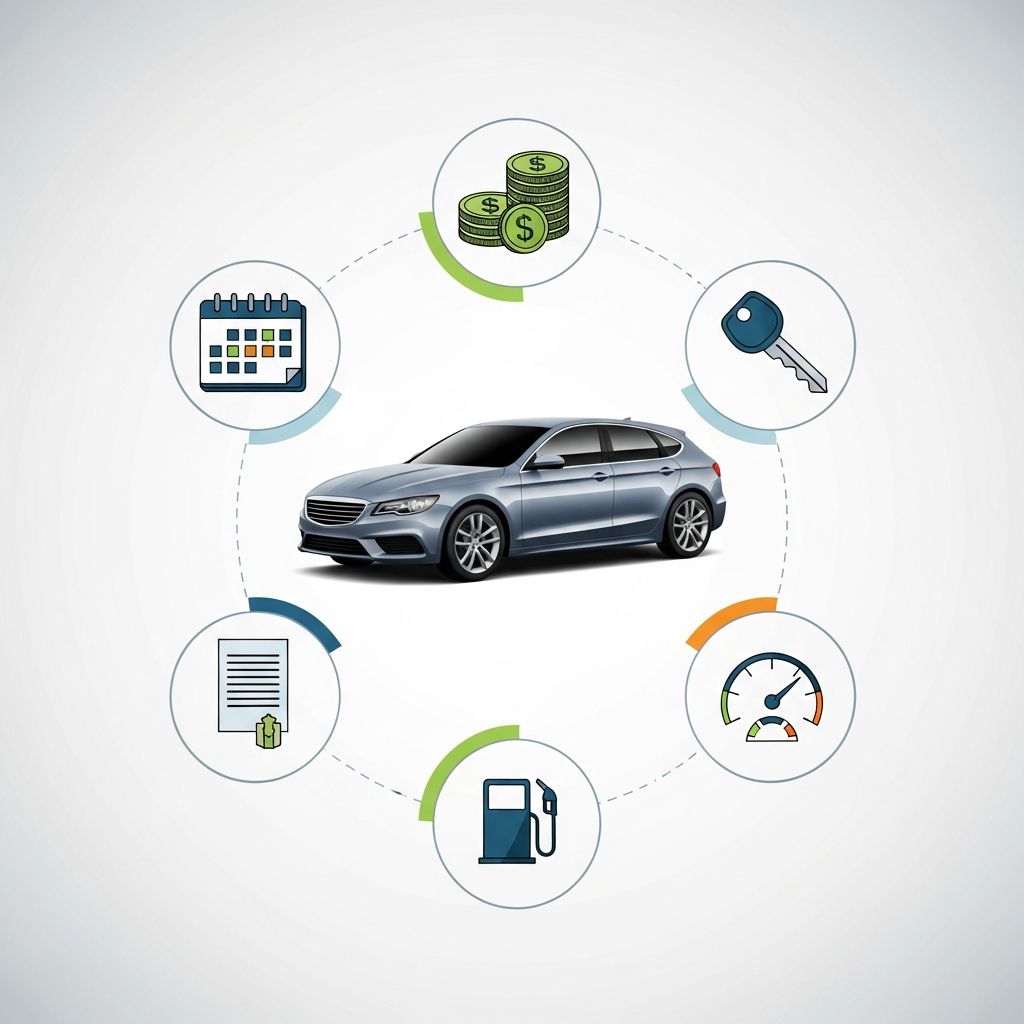
Car leasing provides a flexible way to enjoy new vehicles without long-term ownership commitments. Drivers pay primarily for the car’s depreciation over a set period, typically 24 to 48 months, making monthly payments lower than traditional loans in many cases.
Understanding the Basics of Vehicle Leasing
A vehicle lease functions as an extended rental where you select a new or certified pre-owned car from a dealership or leasing company. You agree to specific terms covering duration, mileage allowances, and maintenance responsibilities. At inception, an upfront payment—often called drive-off fees—covers the first month’s installment, acquisition charges, taxes, and possibly a security deposit or down payment to lower the capitalized cost.
Monthly obligations include the lease payment, which factors in the money factor (akin to interest), depreciation, and taxes. Comprehensive insurance is mandatory, and routine servicing falls under your purview, though manufacturer warranties often cover major repairs during the term.
Key Components Influencing Lease Payments
Several elements shape your financial commitment in a lease agreement:
- Lease Duration: Common terms span 24, 36, or 48 months. Extending the period spreads costs, reducing monthly amounts, but shorter leases allow quicker upgrades to fresher models.
- Mileage Allowance: Standard caps range from 10,000 to 15,000 miles yearly. Overages incur penalties of 15-30 cents per mile, so assess your annual driving accurately.
- Capitalized Cost (Cap Cost): The negotiated vehicle price, akin to a purchase amount, from which depreciation is calculated.
- Residual Value: The projected worth at lease end, directly impacting payments—the higher it is, the lower your monthly outlay.
- Money Factor: Represents the finance rate; multiply by 2,400 for an approximate APR equivalent.
| Factor | Typical Range | Impact on Payment |
|---|---|---|
| Lease Term | 24-48 months | Longer = Lower monthly |
| Mileage Limit | 10k-15k/year | Higher allowance = Higher payment |
| Residual % | 50-60% | Higher = Lower payment |
| Money Factor | 0.001-0.003 | Lower = Reduced cost |
Primary Types of Car Leases
Leases vary by structure and risk allocation, with consumer options focusing on predictability.
Closed-End Leases: The Consumer Favorite
Closed-end agreements, also known as walk-away leases, dominate personal vehicle financing. You return the car at term’s end, liable only for excess mileage, wear, or fees if applicable. The lessor assumes residual value risk, shielding you from market dips. Federal rules mandate clear labeling on contracts, ensuring transparency.
Open-End Leases: Business-Oriented
Open-end leases suit commercial users, where the lessee covers any shortfall between residual value and actual market worth upon return. This exposes you to depreciation risks but may offer favorable terms for high-mileage operations. Personal drivers rarely opt for these due to uncertainty.
Other Specialized Leasing Variants
Beyond basics, niche options cater to specific needs:
- Novated Leases: Salary-packaged arrangements, often for employees, using pre-tax income to cut taxable earnings via employer-facilitated payments.
- Finance Leases: Financier purchases the vehicle; lessee pays installments and handles the balloon residual, potentially buying outright afterward.
- Operating Leases: All-inclusive rentals covering maintenance and fuel, with return at end—no residual burden, ideal for fixed budgeting despite potential premium pricing.
- Chattel Mortgages: Business tool resembling secured loans, offering ownership at term end after final payment.
Financial Breakdown: Costs Across the Lease Lifecycle
Leasing expenses divide into initiation, ongoing, and conclusion phases.
Upfront Drive-Off Costs
- First month’s lease payment
- Acquisition or bank fee (non-refundable setup charge)
- Security deposit (refundable, based on credit)
- Cap cost reduction (voluntary down payment)
- Registration, title, and licensing fees
- Sales tax on upfront amounts (state-dependent)
Monthly and Recurring Expenses
- Core lease installment
- Full-coverage insurance premiums
- Oil changes, tire rotations, and minor upkeep
End-of-Term Charges
Disposition fee for processing return (waived on re-lease often), plus penalties for dings, dents, or mileage overruns.
Navigating Lease Extensions and Short Terms
Standard durations suit most, but flexibility exists. Month-to-month extensions maintain payments while you shop for replacements. One-year leases are feasible but costly due to steep first-year depreciation—around 30%—potentially exceeding rental alternatives. Luxury car clubs offer short-term access sans contracts, including insurance.
Choices When Your Lease Expires
Term end brings decisions:
- Return the Vehicle: Inspection follows; settle charges and depart fee-free if pristine.
- Buy It Out: Pay the residual value plus fees for ownership.
- Lease Anew: Seamless upgrade, often dodging disposition costs with the same lessor.
Advantages and Drawbacks of Leasing
Benefits:
- Affordable entry to premium models
- Comprehensive warranty protection
- Frequent technology refreshers
- Lower initial outlays than buying
Drawbacks:
- No equity buildup
- Mileage and condition restrictions
- Potential end fees
- Long-term expense if repeatedly leasing
Steps to Secure a Favorable Lease
- Research models, residuals, and incentives.
- Check credit for optimal money factors.
- Negotiate cap cost like a purchase.
- Compare dealer vs. captive finance quotes.
- Review contract meticulously for type and terms.
Frequently Asked Questions
What’s the difference between leasing and financing?
Leasing rents the car’s value depreciation; financing builds toward ownership with equity.
Can I modify a leased vehicle?
Limited alterations allowed; reversibility required to avoid wear charges.
How early can I end a lease?
Early termination incurs remaining payments plus penalties—costly; transfers or buyouts are alternatives.
Are used cars leasable?
Certified pre-owned from dealers qualify, often with adjusted residuals.
Does leasing affect credit?
Applications ding scores temporarily; on-time payments boost them.
Strategic Tips for Lease Success
Align lease with habits: low-mileage urbanites thrive, while commuters may prefer buying. Shop seasonally for deals, and leverage trade-ins for cap reductions. Always compute total lifecycle costs versus purchasing equivalents.
References
- How Does Leasing a Car Work? — Cartelligent. 2023. https://cartelligent.com/how-does-leasing-a-car-work/
- Car Leasing Options Explained — Blue Toro. 2024. https://www.bluetoro.com.au/car-leasing-options-explained/
- Car Leasing Guide: How to Lease a Vehicle in 2025 — Kelley Blue Book. 2025-01-15. https://www.kbb.com/car-advice/car-leasing-guide/
- Types of Car Leases – Explained — LeaseGuide.com. 2022. https://www.leaseguide.com/lease06/
- How Does Car Leasing Work? — YouTube (General Video Transcript). 2023. https://www.youtube.com/watch?v=ARLEPoMqmRs
- Pros and Cons of Leasing a Vehicle — Toyota. 2024-06-10. https://www.toyota.com/car-tips/pros-cons-leasing-vehicle/
Similar Articles








Read full bio of Sneha Tete