Car Insurance and Vandalism Coverage
Discover if your auto policy protects against vandalism damage and learn how comprehensive coverage safeguards your vehicle from intentional acts.
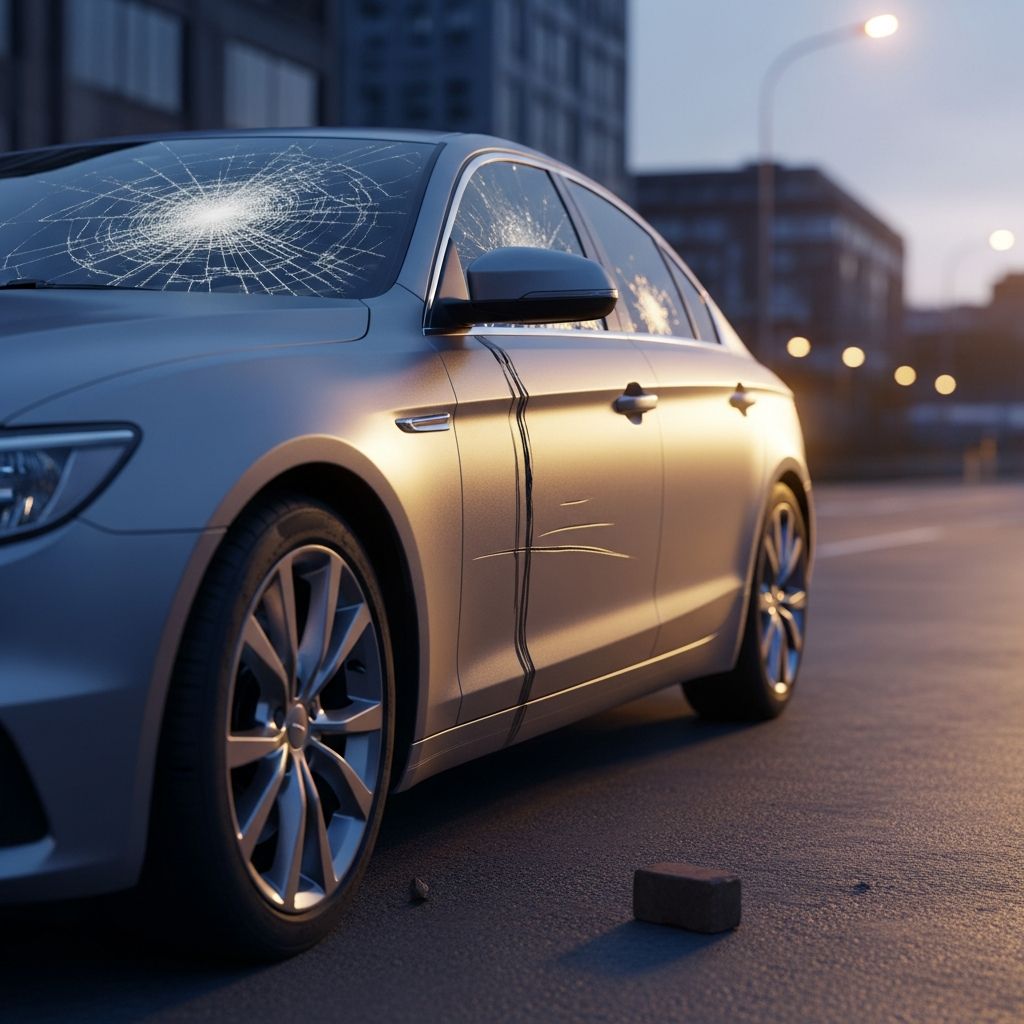
Vehicle vandalism poses a significant risk for drivers, with acts like keying, broken windows, and slashed tires causing costly repairs. Most standard liability policies do not cover these incidents, but comprehensive coverage typically does, helping offset expenses after meeting your deductible. This guide examines coverage options, claim processes, financial implications, and protective measures to keep your car safe.
Defining Vandalism in Auto Insurance Terms
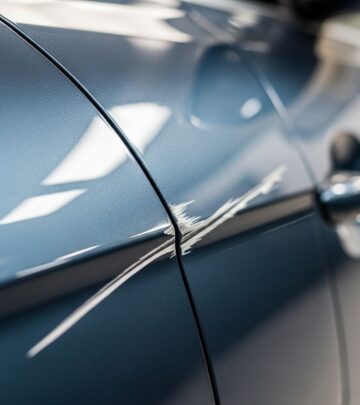
Vandalism involves deliberate damage to a vehicle by an unknown party, distinguishing it from accidents or natural events. Common examples include scratches from keys along the bodywork, punctured tires, shattered glass from rocks or impacts, graffiti sprayed on panels, and even substances poured into fuel tanks to disable the engine. Insurers classify these under non-collision perils, requiring specific policy provisions for reimbursement.
Unlike theft, where the entire vehicle might be taken, vandalism focuses on property defacement or partial destruction. Acts during civil unrest or riots may also qualify if they meet the intentional damage criteria, often falling under the same coverage umbrella. Understanding this definition ensures drivers select appropriate protection without overpaying for irrelevant features.
The Role of Comprehensive Coverage
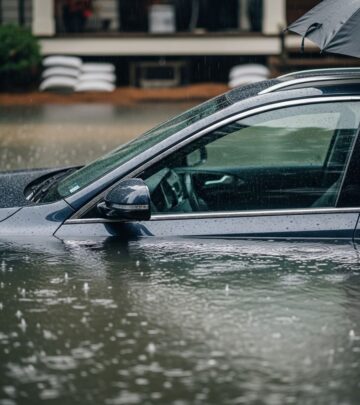
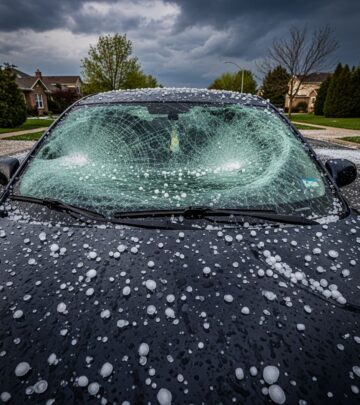
Comprehensive insurance is the cornerstone for vandalism protection, addressing losses outside of collisions. It safeguards against theft, fire, hail, animal strikes, and yes, malicious human actions. Without it, owners face full repair bills, which can exceed thousands for bodywork and part replacements.
This optional add-on—mandatory for financed or leased vehicles—pays the actual cash value (ACV) of repairs minus your chosen deductible. Lenders insist on it to protect their collateral, ensuring borrowers aren’t left with uninsurable losses. State minimums rarely include comprehensive, leaving many underinsured in high-risk areas.
| Coverage Type | Covers Vandalism? | Typical Deductible Range | Key Examples |
|---|---|---|---|
| Liability | No | N/A | Damage you cause to others |
| Collision | No | $250-$1,000 | Crashes with objects/vehicles |
| Comprehensive | Yes | $0-$2,500 | Keying, broken windows, graffiti |
| Full Coverage (Comp + Coll) | Yes (via Comp) | Applies to Comp | All non-collision + crashes |
The table above contrasts coverage types, highlighting comprehensive as essential for vandalism.
Navigating Deductibles and Claim Payouts
Deductibles represent your out-of-pocket minimum before insurer involvement, commonly $250-$500 for comprehensive but ranging up to $2,500. Minor scratches costing $300 with a $500 deductible mean self-funding; extensive keying at $1,800 triggers a claim where you pay $500 and receive $1,300.
Payouts base on ACV—the vehicle’s market worth pre-damage—factoring age, mileage, and condition. Newer cars recover more, while older models might total out if repairs near value. Multiple claims can hike premiums by 20-50%, so weigh minor fixes against long-term costs.
Step-by-Step Guide to Filing a Vandalism Claim
Prompt action preserves eligibility. Here’s the process:
- Report to Police: File immediately for an official report, crucial for claim validation.
- Document Damage: Photograph from multiple angles, noting time, location, and surroundings.
- Notify Insurer: Call your agent within 24-48 hours, providing police details and photos.
- Obtain Estimates: Get 2-3 repair quotes; insurers may use preferred shops.
- Approve Repairs: Sign off after adjuster inspection; track rental reimbursement if included.
- Receive Payment: Funds issued post-approval, often directly to the shop.
Expect 1-4 weeks processing. Delays occur without police reports or if fraud is suspected.
Financial Impacts: Premiums, Costs, and Savings Strategies
One claim might raise rates 10-40%, varying by insurer, history, and state. At-fault perceptions don’t apply to comprehensive, but frequency signals risk. Shop annually for competitive quotes, bundling home/auto for 10-25% discounts.
Repair costs vary: tire slashing ($200-$500/tire), keying ($500-$2,000), window replacement ($200-$600). Preventive investments like alarms ($100-$300) or garages reduce claims. Higher deductibles lower premiums by 10-20% but increase upfront costs.
Prevention Tactics to Minimize Vandalism Risks
Proactive steps deter opportunists:
- Park in garages or well-lit, surveilled lots.
- Install dash cams, alarms, or GPS trackers.
- Conceal valuables; use covers on flashy vehicles.
- Motion lights and neighborhood watches enhance security.
- Anti-theft wheel locks for high-theft areas.
Urban dwellers face higher risks; apps reporting local incidents aid smart parking.
Common Misconceptions About Vandalism Coverage
Myth: Liability Covers My Car. False—liability protects others only.
Myth: Full Coverage Always Includes It. Verify; ‘full’ varies by provider.
Myth: Add Coverage Post-Incident. Fraudulent; pre-existing damage excluded.
Myth: No Deductible Applies. All claims deduct it first.
When to Skip Filing a Claim
If repairs under deductible, pay cash to avoid premium spikes. DIY minor fixes like buffing scratches save money, but document for potential escalation.
Special Scenarios: Riots, Thefts, and More
Riot damage often qualifies under comprehensive, like during unrest. Catalytic converter thefts—vandalism-adjacent—are covered similarly. Personal items inside aren’t; homeowners policies handle those.
Choosing the Right Policy for Your Needs
Assess risk: high-crime areas warrant comprehensive. Review declarations pages or agent for confirmation. Tools compare rates, factoring deductibles and limits.
Frequently Asked Questions
Does liability insurance cover vandalism to my vehicle?
No, liability only covers damage you inflict on others.
Can I add comprehensive after vandalism occurs?
No, backdating is fraud; coverage must predate the incident.
What if repairs cost less than my deductible?
Pay out-of-pocket to sidestep rate increases.
Is tire slashing considered vandalism?
Yes, intentional punctures qualify under comprehensive.
Does coverage extend to rental cars?
Only with rental reimbursement endorsement post-covered claim.
References
- Does Car Insurance Cover Vandalism? — Bankrate. 2023-10-15. https://www.bankrate.com/insurance/car/does-car-insurance-cover-vandalism/
- Does Car Insurance Cover Vandalism? — Progressive. 2024-05-20. https://www.progressive.com/answers/does-car-insurance-cover-vandalism/
- Does Car Insurance Cover Vandalism? — Lemonade. 2024-02-10. https://www.lemonade.com/car/explained/does-car-insurance-cover-vandalism/
- Does Car Insurance Cover Vandalism? — Car and Driver. 2023-11-05. https://www.caranddriver.com/car-insurance/a31754474/does-car-insurance-cover-vandalism/
- Will Insurance Cover Vandalism Damage to Your Car? — Farm Bureau Financial Services. 2024-01-12. https://www.fbfs.com/learning-center/does-car-insurance-cover-vandalism
- Does Auto Insurance Cover Vandalism? — Erie Insurance. 2023-09-18. https://www.erieinsurance.com/blog/does-auto-insurance-cover-vandalism
- Does Car Insurance Cover Vandalism? Getting the Right Policy — GEICO. 2024-03-22. https://www.geico.com/information/aboutinsurance/auto/does-car-insurance-cover-vandalism/
- Does Your Car Insurance Cover Riots, Vandalism, or Civil Unrest? — Luft Insurance. 2023-08-30. https://www.luftinsurance.com/blog/does-your-car-insurance-cover-riots-vandalism-or-civil-unrest
Similar Articles








Read full bio of medha deb