Car Insurance Timeline: From Quote to Active Coverage
Discover how quickly you can secure car insurance and what impacts approval timelines.
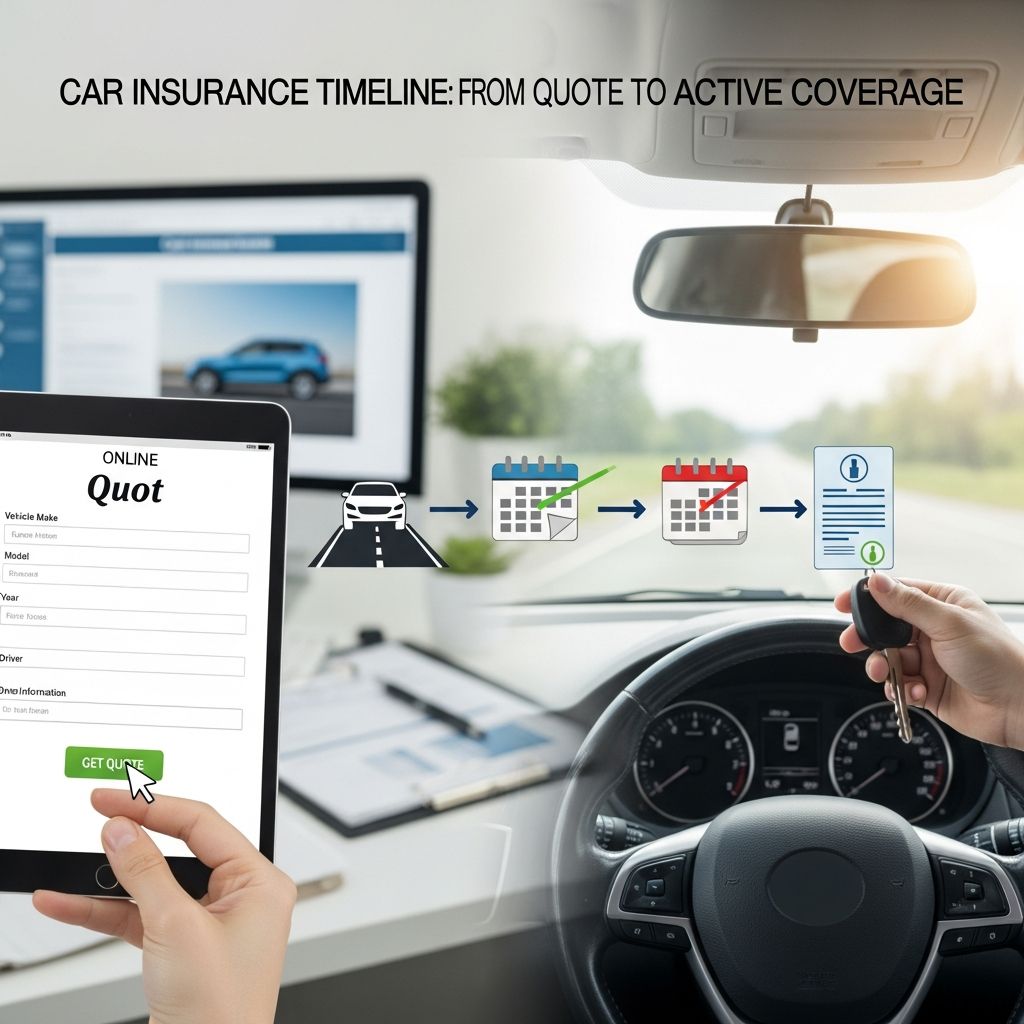
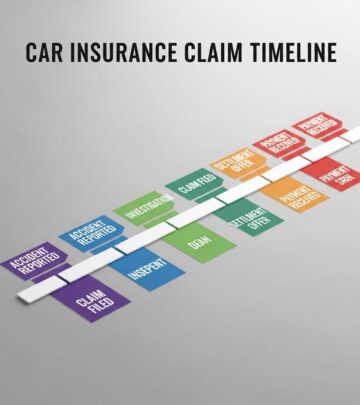
One of the most common questions prospective insurance buyers ask is how long the entire process takes from start to finish. The answer varies depending on multiple factors, but with proper preparation, you can transition from being uninsured to having active coverage in a surprisingly short timeframe.
Understanding the Insurance Acquisition Process
The journey to securing car insurance involves several distinct phases, each with its own time requirements. Rather than viewing insurance acquisition as a single action, it’s more accurate to understand it as a sequence of steps that build upon one another. The total duration depends on how efficiently you navigate each phase and whether you encounter any complications along the way.
The insurance industry has optimized their processes significantly in recent years, making it possible for consumers to complete the entire procedure during a single sitting. Digital platforms have eliminated many traditional barriers that once extended timelines considerably.
Phase One: Obtaining Initial Quotes
The first step in securing insurance involves receiving quotes from potential providers. This phase establishes the financial parameters for your coverage and helps you understand your options.
Online quote generation represents the fastest method for obtaining preliminary estimates. Most insurers can generate a quote within five minutes once you’ve provided basic information. This speed is achieved through automated systems that instantly calculate rates based on the information you submit.
Phone-based quotes typically take approximately five minutes as well, assuming you have all necessary documentation available. Speaking with an agent allows for clarification of complex coverage options and personalized recommendations.
In certain circumstances, quote generation may extend to 48 hours. This extended timeline typically occurs when an insurer requires additional information or needs to conduct a more thorough underwriting review before providing an estimate.
Information Requirements for Quick Quotes
Having the following information readily available significantly accelerates the quoting process:
- Vehicle Identification Number (VIN)
- Vehicle make, model, and year
- Current annual mileage or estimated annual miles
- Parking location and residence address
- Driver’s license information for all household drivers
- Driving history details
- Current coverage details if switching insurers
Phase Two: Quote Comparison and Selection
After obtaining your first quote, most consumers benefit from comparing multiple options. This deliberate approach often results in significant savings and ensures coverage matches individual needs.
Comparing quotes from three to five different insurers typically requires 15 minutes to one hour. The time investment depends on how many quotes you’ve already obtained and whether you’re comparing them simultaneously or gathering them sequentially.
When comparing quotes, consider not only premium costs but also deductible options, coverage limits, and available discounts. Some insurers offer loyalty discounts, safe driver discounts, bundling opportunities, or discounts for completing defensive driving courses.
Phase Three: Application Submission and Processing
Once you’ve selected your preferred insurer and coverage options, the application phase begins. This stage involves formally applying for coverage and submitting required documentation.
Online applications can typically be completed in 10 to 15 minutes when you have all necessary information prepared. Digital platforms guide you through each required field and often provide real-time error checking to prevent submission delays.
Application activation time varies by insurer and circumstance. Many insurers activate policies almost immediately upon payment processing, while others may require up to several hours to process the application and confirm payment.
Documentation and Verification Requirements
Insurance companies conduct verification procedures to confirm the accuracy of submitted information. This verification process examines multiple data sources:
- Driving records from state motor vehicle departments
- Credit history information
- Insurance claims history from comprehensive underwriting databases
- Vehicle registration records
If information you provide matches external records without discrepancies, verification typically occurs seamlessly in the background and doesn’t extend your timeline. However, if inconsistencies exist between your application and these records, an underwriter may need to investigate further.
Drivers with multiple insurance claims within the past three years may face additional underwriting review, potentially extending the application timeline.
Expedited Coverage and Same-Day Activation
Modern insurance companies offer several options for accelerated coverage. Understanding these pathways helps you select the fastest route to protection.
Immediate policy activation occurs when your payment processes successfully and the insurer’s automated systems confirm all information aligns with verification requirements. In these cases, coverage becomes effective within minutes of payment completion.
Same-day activation represents the standard timeline for most insurance companies. Even if immediate activation doesn’t occur, your policy should become active within the same calendar day you submit your application.
Some insurers provide instant proof of insurance documents that you can access immediately after payment processing. This feature proves particularly valuable when purchasing a vehicle from a dealership and needing to drive it home immediately.
Factors That Extend Timeline Requirements
While the basic process can be completed quickly, several factors may introduce delays into the timeline.
Information Gaps and Documentation Issues
Missing or incomplete information represents one of the most common causes of application delays. If you haven’t gathered required documents before beginning your application, the process extends significantly. Stopping mid-application to locate information substantially increases total acquisition time.
Incomplete applications may be placed on hold pending submission of missing materials. In some cases, insurers may cancel incomplete applications if documentation isn’t provided within specified timeframes.
Driving History Complications
Drivers with complex driving histories may face additional review requirements. Recent traffic violations, at-fault accidents, or multiple insurance claims trigger underwriter involvement. These reviews can delay application processing by several days depending on investigation requirements.
New Vehicle Purchases
Purchasing a vehicle introduces additional complexity because insurers must verify the vehicle exists, determine its exact specifications, and ensure all documentation matches. While this typically doesn’t cause major delays, it requires more thorough verification than insuring an existing vehicle on your current policy.
Coverage Decision Uncertainty
Drivers unsure about appropriate coverage levels or uncertain which policy best suits their needs may extend this phase significantly. Researching coverage options, understanding liability limits, and determining appropriate deductibles can require considerable time for those unfamiliar with insurance terminology.
Practical Strategies to Minimize Timeline
Several actionable steps dramatically reduce the time required to secure insurance coverage.
Pre-Application Preparation
Gathering all required information before beginning your application is the single most effective way to accelerate the process. Create a document containing all necessary details and have it available when you begin your application. This preparation typically takes a few minutes but saves significantly more time during the formal application process.
Choosing Your Application Method
Different application methods have varying timelines. Online applications through direct insurers typically complete fastest, often within 10 to 15 minutes. Applying through insurance agents may require 30 to 90 minutes depending on agent availability and complexity of your situation. Phone-based applications fall between these extremes.
Providing Accurate Information
Dishonesty or careless errors in applications trigger additional verification and investigation. Ensuring complete accuracy in every submitted field prevents verification complications and keeps your application moving through processing systems efficiently.
Consolidating Coverage
If you’re switching insurers, applying with your current policy details readily available speeds up the new application. Many insurers use information from your declarations page to verify coverage details and streamline underwriting.
Timeline Comparison by Application Method
| Application Method | Average Duration | Coverage Activation |
|---|---|---|
| Online Direct Application | 10-15 minutes | Immediate to same-day |
| Phone with Agent | 30-90 minutes | Same-day typically |
| In-Person Agent Meeting | 1-2 hours | Same-day or next business day |
| Comparison Shopping First | 15 minutes to several hours | Variable by insurer |
What Happens After Payment Processing
Once you’ve submitted your application and payment, several automatic processes commence in the background. Your insurer’s systems generate your policy documents, configure your coverage based on selected options, and initiate claims system setup.
In most cases, you’ll receive policy confirmation via email shortly after payment processes. This confirmation includes important documents like your declarations page, policy summary, and emergency contact information.
Some insurers mail physical policy documents, though these arrive days or weeks after your coverage activates. Physical documents represent confirmation only; your coverage is valid regardless of whether you’ve received paper documentation.
Avoiding Common Timeline Delays
Certain mistakes consistently cause application delays. Understanding these pitfalls helps you navigate the process more smoothly.
Switching insurers without overlap coverage creates dangerous gaps. Always ensure your new policy is active before canceling your previous coverage. This requires careful attention to effective dates and payment processing times.
Providing inconsistent information across multiple fields or between your application and external records triggers verification holds. Review all submitted information carefully before finalizing your application.
Neglecting to follow up on applications placed on hold can result in automatic cancellation. If an insurer requests additional information, respond promptly to maintain your application status.
Special Circumstances and Extended Timelines
Certain situations justify extended timelines beyond the standard process.
High-risk drivers with significant traffic violations or multiple at-fault accidents may require underwriter review lasting several days. These reviews assess risk appropriately but necessarily extend the acquisition timeline.
New drivers with no driving history require more extensive underwriting because insurers lack historical data to assess risk. This additional due diligence typically adds one to two business days to the process.
Commercial vehicle coverage or specialized policies for exotic vehicles may require extended underwriting beyond standard personal auto insurance timelines.
Post-Activation Considerations
After your coverage activates, several important follow-up steps ensure everything functions properly.
Verify activation status by contacting your insurer directly. This confirmation prevents unpleasant surprises if technical issues prevented actual activation despite payment processing. Most insurers can verify coverage status within minutes.
Request physical policy documents if you prefer paper copies, though these are optional given that coverage is valid immediately upon activation.
Set up online account access to manage your policy, make payments, and access digital copies of all documents. This setup typically takes just a few minutes and provides convenient ongoing access.
Review your policy carefully once received to confirm all coverage options, limits, and deductibles match what you selected. If discrepancies exist, contact your insurer immediately for corrections.
Summary of Timeline Expectations
The complete process from initial quote to active coverage typically requires anywhere from 15 minutes to several hours, with most straightforward applications completing within the same business day. Drivers who prepare thoroughly by gathering required information beforehand and providing accurate details can often complete the entire process in under 30 minutes.
The wide range of possible timelines reflects variations in individual circumstances, chosen application methods, and insurer policies. Rather than viewing the timeline as fixed, consider it flexible based on how efficiently you navigate each phase.
References
- How Long Does It Take to Get Auto Insurance? — PLPD Insurance. 2024. https://plpd.com/blogs/auto-insurance/how-long-does-it-take-to-get-auto-insurance
- How Long Does It Take to Get Car Insurance? — The General Insurance Company. 2024. https://www.thegeneral.com/going-places/blog/car-insurance/how-long-does-it-take-to-get-car-insurance/
- How Long Does It Take to Get Car Insurance? — Pronto Insurance. 2024. https://www.prontoinsurance.com/blog/how-long-does-it-take-to-get-car-insurance/
- How Long Does It Take to Get Car Insurance? — Car and Driver. 2024. https://www.caranddriver.com/car-insurance/a32632387/how-long-does-it-take-to-get-car-insurance/
- How Long Does It Take to Get Car Insurance? — Experian. 2024. https://www.experian.com/blogs/ask-experian/how-long-does-it-take-to-get-car-insurance/
- How Long Does it Take to Get Car Insurance? — Farmers Insurance. August 2024. https://www.farmers.com/learn/insurance-questions/how-long-does-it-take-to-get-car-insurance/
- How Long Does It Take to Get Car Insurance? — MoneyGeek. 2024. https://www.moneygeek.com/insurance/auto/how-long-does-it-take-get-car-insurance/
Similar Articles








Read full bio of medha deb