Car Insurance with Suspended License Guide
Discover how to secure car insurance despite a suspended license, understand SR-22 requirements, and navigate state rules for compliance.
Maintaining vehicle coverage during a license suspension is crucial for legal compliance, financial protection, and eventual license recovery. Even without a valid driver’s license, many states mandate minimum liability insurance on registered vehicles to prevent further penalties.
Understanding License Suspensions and Insurance Needs
A driver’s license suspension occurs due to violations like unpaid fines, DUI convictions, or lapses in coverage. While you cannot legally drive, insuring your car remains essential. Policies primarily insure the vehicle, allowing licensed household members to operate it safely.
Reasons to keep insurance active include:
- State-mandated liability requirements for registered vehicles, even if undriven.
- Lender demands for financed or leased cars, protecting their investment.
- Proof needed for license reinstatement processes.
- Avoiding premium hikes from coverage gaps, which can increase rates by up to 30%.
- Coverage for permissive drivers like family members.
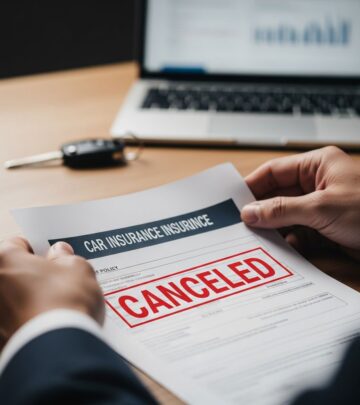
Canceling insurance risks registration suspension, fines starting at $300, and extended license issues, as seen in Pennsylvania where a lapse triggers three-month suspensions.
Legal Aspects of Insuring Without a Valid License
It is generally legal to hold a car insurance policy without an active license, provided you do not drive. Insurers focus on vehicle risk rather than the policyholder’s driving status alone. However, attempting to drive voids coverage and invites severe consequences like additional charges or license revocation.
High-risk insurers specialize in these scenarios, evaluating factors such as the suspension reason, duration, and driving history. Providing documentation like court records or violation details upfront streamlines applications.
SR-22 and FR-44: Keys to High-Risk Coverage
For serious offenses like DUIs, reckless driving, or at-fault accidents, states require an SR-22 or FR-44 form. These are not insurance policies but certifications from your insurer proving minimum liability limits are met.
SR-22 Essentials:
- Required for 3-5 years typically.
- Filing fee: $15-$25.
- Details needed: DOB, SSN, license number, suspension reason.
In Florida and Virginia, FR-44 demands higher limits for severe cases. Non-standard carriers often handle these filings, as mainstream insurers may decline. Premiums rise due to high-risk classification, but securing coverage fulfills DMV reinstatement steps.
Restricted and Hardship Licenses Explained
A restricted license permits limited driving for essentials like work, medical visits, or court appearances. Eligibility varies by state, considering violation severity and record.
| License Type | Purposes Allowed | Typical Requirements |
|---|---|---|
| Restricted/Occupational | Work, school, doctor | SR-22, fees, hearing |
| Hardship | Dependents, essentials | Proof of need, clean record post-violation |
These licenses require active insurance, often with SR-22, enabling legal driving under constraints. Check your DMV for application processes.
Steps to Obtain Coverage During Suspension
- Shop High-Risk Providers: Target non-standard insurers offering SR-22 support.
- Gather Documents: Driving abstract, suspension notice, ID.
- Request SR-22/FR-44: Insurer files with DMV.
- Maintain Continuous Coverage: Avoid lapses to prevent premium surges.
- Apply for Restricted License: If eligible, pair with policy.
Post-reinstatement, shop around as rates may normalize after the monitoring period.
Consequences of Lapsed Insurance
Allowing coverage to expire compounds problems. States like Pennsylvania impose immediate registration suspension, $300+ fines, and license holds until restoration fees and proof are submitted. Vehicle operation becomes illegal for anyone, escalating risks. Financed cars trigger lender defaults.
Gaps flag you as higher risk, inflating future premiums significantly. Proactive insurance maintenance mitigates these issues.
State Variations in Requirements
Rules differ widely:
- Pennsylvania: Lapses under 31 days may avoid full suspension if vehicle was unused; otherwise, surrender plates.
- Florida/Virginia: FR-44 for DUIs with doubled limits.
- General: Most require SR-22 for major violations; check local DMV.
Always verify with your state’s motor vehicle department for precise mandates.
Cost Factors and Savings Tips
Expect 20-50% premium increases for SR-22 drivers due to risk. Factors influencing rates:
- Suspension cause (DUI highest).
- Prior claims history.
- Vehicle type and location.
Tips:
- Compare quotes from multiple high-risk providers.
- Complete defensive driving courses for discounts.
- Bundle policies if possible.
- Improve credit and avoid further violations.
Reinstatement Process After Suspension
License recovery typically involves:
- Paying fines and fees.
- Fulfilling SR-22 term.
- Passing tests or courses.
- Providing insurance proof.
Insurance remains vital throughout, as lapses restart penalties.
Frequently Asked Questions
Can I drive someone else’s insured car with a suspended license?
No, it’s illegal and typically not covered under their policy.
How long does an SR-22 last?
Usually 3-5 years, or until the state releases it.
Will my rates drop after reinstatement?
Yes, potentially after the high-risk period ends and with a clean record.
Can I drop comprehensive coverage during suspension?
Possible if not financed, but liability must stay for SR-22.
What if my suspension is for no insurance?
Reinstating requires new proof of coverage immediately.
Protecting Yourself and Your Vehicle
Proactive steps like securing high-risk insurance prevent escalation. Consult DMV resources and insurers early to align with requirements. This approach safeguards finances, complies with laws, and paves the way for full driving privileges.
References
- Can You Get Auto Insurance with a Suspended License? — LA Insurance. Accessed 2026. https://lainsurance.com/blog/can-you-get-auto-insurance-with-a-suspended-license
- Can You Get Car Insurance with a Suspended License? — The Zebra. Accessed 2026. https://www.thezebra.com/auto-insurance/tickets-violations/can-you-get-car-insurance-suspended-license/
- Can you get car insurance with a suspended license? — Progressive. Accessed 2026. https://www.progressive.com/answers/car-insurance-with-suspended-license/
- Can You Get Car Insurance with a Suspended License? — The General. Accessed 2026. https://www.thegeneral.com/going-places/blog/car-insurance/can-you-get-car-insurance-with-a-suspended-license/
- Insurance Law – FACT SHEET — Pennsylvania Department of Transportation (PennDOT). Accessed 2026. https://www.pa.gov/content/dam/copapwp-pagov/en/penndot/documents/public/dvspubsforms/bmv/bmv-fact-sheets/fs-inla.pdf
- Penalties for Cancelling — Pennsylvania DMV. Accessed 2026. https://www.pa.gov/agencies/dmv/vehicle-services/insurance-overview/penalties-for-cancelling
Similar Articles








Read full bio of Sneha Tete