Car Insurance and Replacement Parts Coverage
Discover how your auto policy handles OEM, aftermarket, and recycled parts for vehicle repairs after accidents.
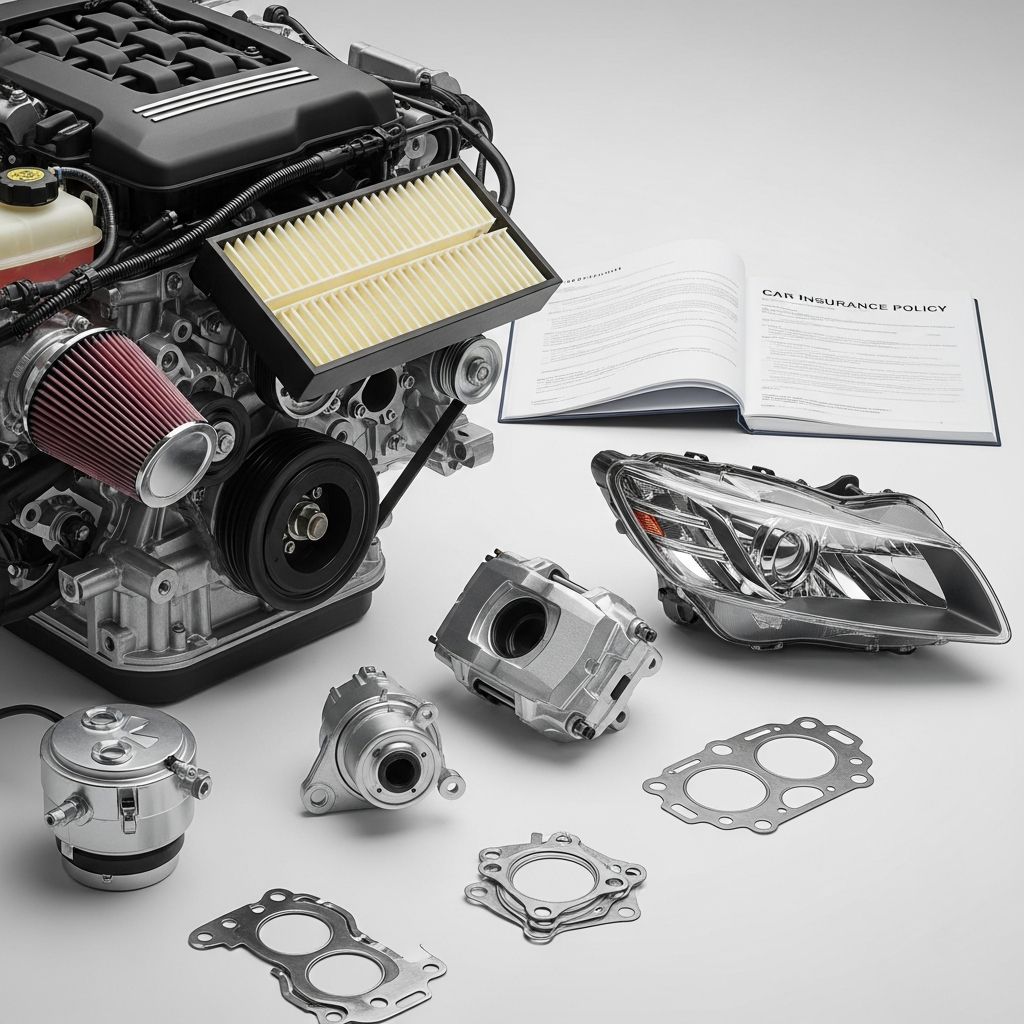
Your vehicle collision coverage typically pays for necessary replacement parts following an accident, but the specific type—whether original equipment manufacturer (OEM), aftermarket, or recycled—hinges on your policy terms. Understanding these distinctions empowers drivers to make informed choices during repairs and claims, potentially saving money and preserving vehicle value.
Understanding Types of Auto Replacement Parts
When repairs are needed after a crash, insurers evaluate parts based on cost, availability, and policy guidelines. Here’s a breakdown of common categories:
- OEM Parts: Produced by the vehicle’s original maker, these match factory specifications exactly, ensuring seamless fit and performance. They maintain warranty integrity but cost more.
- Aftermarket Parts: Manufactured by independent companies, these can match or exceed OEM quality in some cases, often at lower prices, making them a frequent insurer choice.
- Recycled or Salvage Parts: Sourced from dismantled vehicles, ideal for older models where new parts are scarce or expensive. They must meet safety standards.
Policies often default to the most economical option unless specified otherwise, balancing repair costs with premium stability .
How Insurance Policies Dictate Parts Usage
Review your declarations page to see stipulated parts types. Comprehensive and collision coverages fund repairs minus your deductible, but part selection follows insurer guidelines. For instance, newer vehicles might qualify for OEM under certain conditions, while older ones lean toward aftermarket or recycled .
| Part Type | Pros | Cons | Typical Insurance Stance |
|---|---|---|---|
| OEM | Exact match, warranty-safe | Higher cost | Covered with endorsement |
| Aftermarket | Cheaper, variable quality | Potential fit issues | Default choice |
| Recycled | Cost-effective for rares | Unknown history | For older vehicles |
This table illustrates trade-offs, helping you anticipate claim outcomes .
Endorsements for Preferred Parts Coverage
Want OEM guarantees? Add an endorsement, an optional rider ensuring original parts when available. Liberty Mutual offers it for vehicles under 10 years old with comprehensive/collision coverage . Progressive provides it for motorcycles but not cars . These add premiums but protect resale value.
Custom parts need separate coverage; standard policies cap aftermarket mods at limits, requiring supplemental insurance for full protection . Always notify your insurer of modifications to avoid claim denials.
Navigating the Claims Process for Parts
Post-accident, your insurer or adjuster inspects damage and issues an estimate specifying parts. You can select repair shops, but they must adhere to the estimate. Dispute non-OEM if your policy mandates otherwise, providing documentation .
For batteries or wear-prone items, insurers depreciate value, covering only pre-accident worth. Upgrades, like premium exhausts, aren’t covered; you pay the difference, though labor might be shared if installation matches .
Pros and Cons of Each Parts Category
OEM Advantages: Superior compatibility, often backed by vehicle warranties. Drawbacks: Premium pricing inflates claims, risking rate hikes.
Aftermarket Benefits: Savings keep premiums low; high-end options rival OEM. Disadvantages: Quality varies; some states regulate usage.
Recycled Merits: Eco-friendly, budget-savvy for antiques. Shortfalls: Limited lifespan, rigorous inspection needed.
Choosing insurer-preferred parts can minimize out-of-pocket costs .
State Regulations Influencing Parts Choices
Some states mandate disclosure of non-OEM parts or ownership consent. For example, “like kind and quality” rules ensure equivalents. Check your state’s insurance department for mandates, as they override policy if stricter .
Strategies to Influence Repair Parts Decisions
Negotiate during claims: Request OEM quotes if endorsed, or compromise on aftermarket from trusted brands. Shop comparisons can justify alternatives. Maintain records of mods for accurate valuations .
To avoid surprises:
- Read policy fine print annually.
- Discuss with agents pre-purchase.
- Bundle endorsements wisely.
Impact on Premiums and Long-Term Costs
High-cost OEM claims may trigger surcharges, while aftermarket keeps them lower. Depreciation on parts like tires reduces payouts. Weigh endorsement costs against potential savings .
Common Misconceptions About Parts Coverage
Myth: All repairs use new parts. Reality: Depreciation applies. Myth: Insurers always force cheap parts. Reality: Policies and endorsements dictate. Myth: Mods auto-covered. Reality: Declare them .
Frequently Asked Questions
Does my insurance cover new batteries fully?
No, typically depreciated to pre-accident value .
Can I refuse aftermarket parts?
Only if your policy or endorsement requires OEM .
What if I have custom rims?
Add custom equipment coverage; standard policies limit it .
Are recycled parts safe?
Yes, if certified by reputable salvage yards .
How do I add OEM coverage?
Contact your insurer; availability varies by vehicle/age .
Choosing the Right Coverage for Your Needs
Assess your vehicle’s age, value, and mod status. Newer luxury cars benefit from OEM endorsements; daily drivers save with standard aftermarket allowances. Compare quotes emphasizing parts flexibility .
Proactive policy tweaks ensure alignment with repair preferences, minimizing disputes.
References
- Does Car Insurance Cover Replacement Parts? — Experian. 2023. https://www.experian.com/blogs/ask-experian/does-car-insurance-cover-replacement-parts/
- The Impact of Modified Vehicle Parts on Insurance Claims and Liability — The Desai Firm. 2024. https://thedesaifirm.com/the-impact-of-modified-vehicle-parts-on-insurance-claims-and-liability/
- Aftermarket Parts & Insurance — Progressive. 2024. https://www.progressive.com/answers/aftermarket-parts-and-insurance/
- Original Parts Replacement Coverage — Liberty Mutual. 2024. https://www.libertymutual.com/vehicle/auto-insurance/coverage/original-parts-replacement
- Will Insurance Cover Aftermarket Parts? — Adams Kutner. 2023. https://www.askadamskutner.com/auto-accident/insurance-for-aftermarket-parts/
- What Kind of Car Parts Does My Auto Insurance Policy Cover? — Schneider Auto. 2024. https://schneiderauto.net/blog/68-what-kind-of-car-parts-does-my-auto-insurance-policy-cover
- Does Car Insurance Cover Repairs? — Allstate. 2024-08. https://www.allstate.com/resources/car-insurance/does-car-insurance-cover-repairs
Similar Articles








Read full bio of Sneha Tete