Car Insurance and Pet Coverage Explained
Discover if your auto policy protects your furry companions during road trips and accidents, plus tips for full protection.
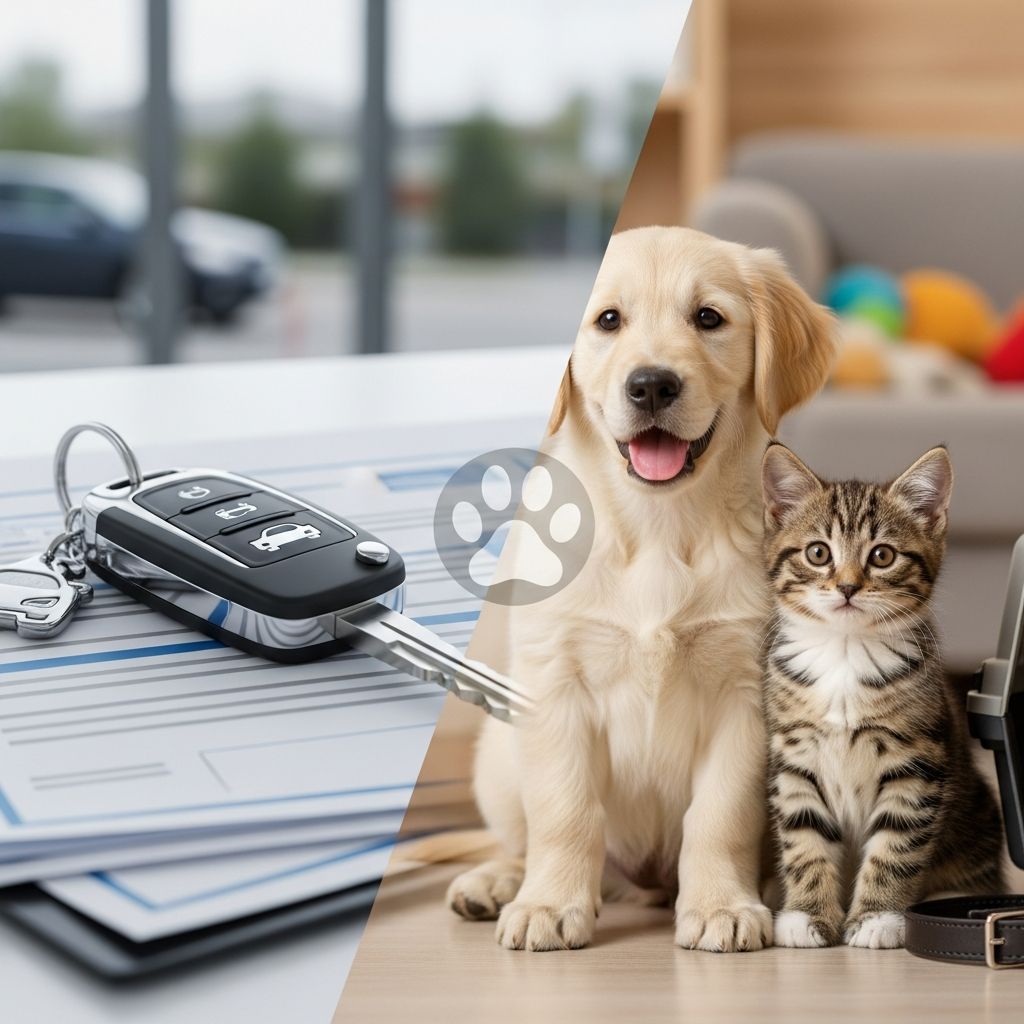
Many pet owners frequently travel with their dogs or cats in vehicles, turning cars into mobile homes for family adventures. However, accidents can happen unexpectedly, leading to injuries not just for humans but also for beloved pets. A common question arises: does standard car insurance extend to veterinary costs for animals hurt in crashes? The response hinges on policy specifics, insurer offerings, and accident circumstances. This article delves into the nuances of pet coverage under auto policies, highlighting available options, limitations, and strategies to safeguard your pets fully.
Understanding Pets as Property in Insurance Terms
Insurance providers classify pets, primarily dogs and cats, as personal property rather than living beings with separate rights. This designation means that when a pet suffers injury in a vehicle-related incident, claims fall under property damage provisions rather than medical liability for humans. Comprehensive and collision coverages may address repair costs for the car, and in select cases, extend to pet treatment expenses.
For instance, if collision coverage is active on your policy, some companies automatically include provisions for pet medical bills without additional premiums. This inclusion treats veterinary fees similarly to repairs for damaged vehicle interiors or other contents. However, not all policies feature this benefit, making it crucial to review declarations pages or contact agents for confirmation.
Coverage Scenarios: Who Is at Fault?
The applicability of pet injury benefits varies significantly based on fault in the accident. Here’s a breakdown of typical situations:
- Other Driver at Fault: When another motorist causes the crash, their liability coverage for property damage can reimburse vet bills for your pet. You file a claim directly with their insurer, providing documentation like veterinary receipts and proof of injury causation.
- You Are at Fault: Your own collision coverage might cover pet expenses, but only if the policy explicitly lists animals under protected items. Without such language, out-of-pocket payments become necessary unless an endorsement exists.
- Hit-and-Run or Unknown Fault: Comprehensive coverage could apply if the incident qualifies as non-collision damage, though pet inclusion remains insurer-dependent.
In non-collision scenarios, such as a pet struck by a vehicle while outside the car, auto insurance generally does not apply. These cases demand separate pet health plans for accident-related treatments.
Insurers Offering Pet Injury Protection
Several prominent auto insurers incorporate pet coverage into their standard offerings, often at no extra cost when paired with collision protection. Coverage limits typically range from $500 to $2,000 per incident, sufficient for initial treatments but potentially inadequate for surgeries or extended care. Below is a comparison table of key providers:
| Insurer | Pet Coverage Limit | Requirements | Additional Notes |
|---|---|---|---|
| Progressive | Up to $1,000 | Collision coverage required | Included at no extra cost; covers dogs and cats regardless of fault. |
| Erie | $500 per pet, $1,000 total | Available in select states | Focuses on vet bills and medical expenses. |
| Metromile | Up to $1,000 | Collision coverage | Extends to theft from vehicle; dogs and cats only. |
| Nationwide | Up to $1,000 | No limit on pets covered | Includes loss compensation; no deductible. |
| Farm Bureau Financial Services | Up to $1,000 | Collision on at least one vehicle | Covers injury or death; burial costs included. |
These limits often cap reimbursements within one year of the accident, emphasizing the need for prompt claims. Always verify state availability, as offerings vary geographically.
Limitations and Exclusions to Watch For
While promising, pet coverage under auto policies comes with restrictions. Common exclusions include:
- Exotic or non-traditional pets beyond dogs and cats.
- Injuries from fights or illnesses unrelated to crashes.
- Pre-existing conditions or neglect-related harms.
- Claims exceeding policy limits or timelines.
Additionally, unsecured pets posing driving distractions may void claims if deemed contributory negligence. Payouts prioritize vet bills, medications, and sometimes euthanasia or burial fees, but rarely cover boarding or alternative therapies.
The Role of Standalone Pet Insurance
Auto policies provide limited, accident-specific relief, prompting many owners toward dedicated pet insurance. These plans offer broader protection, including accidents outside vehicles, illnesses, diagnostics, and chronic care. Key benefits include:
- Accident-Only Plans: Affordable options focusing on injuries like fractures or lacerations, ideal supplements to auto coverage.
- Comprehensive Policies: Cover emergencies, surgeries, medications, and specialist visits, with customizable deductibles.
- No Fault Dependency: Pays regardless of crash responsibility, ensuring consistent access to care.
Providers like Nationwide extend pet plans alongside auto, but costs vary by breed, age, and location. Average accident coverage reimburses up to policy limits, often exceeding auto caps.
Safety Measures for Traveling with Pets
Beyond insurance, proactive steps minimize risks:
- Use crash-tested harnesses or carriers to secure pets.
- Avoid distractions by keeping animals restrained during drives.
- Carry emergency kits with medical records and contacts.
- Schedule regular vet checkups for travel readiness.
These practices not only enhance safety but can strengthen insurance claims by demonstrating responsible ownership.
Filing a Pet Injury Claim: Step-by-Step Guide
Navigating claims efficiently maximizes reimbursements. Follow these steps:
- Seek Immediate Vet Care: Prioritize treatment and obtain detailed invoices.
- Notify Your Insurer: Report the accident promptly, noting pet involvement.
- Gather Evidence: Photos of injuries, police reports, and witness statements.
- Submit Documentation: Include vet bills, policy number, and accident details.
- Follow Up: Track progress and appeal denials if applicable.
For other-party claims, coordinate with their adjuster. Processing times vary, but most resolve within weeks.
Cost Considerations and Premium Impacts
Pet endorsements rarely increase premiums significantly, especially when bundled with collision. Standalone pet plans average $20-50 monthly, depending on coverage levels. Weighing these against potential $5,000+ vet bills from severe injuries underscores their value.
Frequently Asked Questions
Does car insurance cover pets hit by cars?
No, if your pet is struck outside the vehicle, auto insurance typically excludes coverage. Rely on pet insurance for such incidents.
What if my pet dies in an accident?
Some policies reimburse burial or memorial costs up to the limit, treating it as property loss.
Are all pets eligible, like birds or reptiles?
Generally no; coverage targets dogs and cats exclusively.
Can pet coverage raise my rates?
Inclusions under collision rarely do, but at-fault claims might indirectly affect premiums.
Is pet coverage available in every state?
No, availability depends on the insurer and local regulations.
Choosing the Right Protection for Your Pets
Pet owners should audit current auto policies for inclusions and consider hybrids of auto add-ons and pet insurance for gaps. Consulting agents and comparing quotes ensures tailored, cost-effective safeguards. With rising vet costs, proactive planning protects both wallets and wagging tails during unforeseen road events.
References
- Are Pets Covered by Car Insurance? — The Zebra. 2023. https://www.thezebra.com/auto-insurance/coverage/does-car-insurance-cover-pets/
- Does Car Insurance Cover Pet Injuries? It Depends — Pawlicy Advisor. 2023. https://www.pawlicy.com/blog/pet-injury-coverage-in-car-insurance/
- Pet Injury Coverage on your auto insurance policy — Freedom4Insurance. 2023. https://freedom4insurance.com/blog/pet-injury-coverage/
- What Is Pet Insurance and How Does It Work? — Progressive. 2025-03-01. https://www.progressive.com/answers/pet-insurance-101/
- Pet Injury Coverage for Car Insurance — Lemonade Insurance. 2023. https://www.lemonade.com/car/explained/pet-injury-coverage/
- What Does Pet Insurance Cover? — State Farm. 2024. https://www.statefarm.com/simple-insights/family/what-does-pet-insurance-cover
- Is Your Pet Covered By Car Insurance in an Accident? — Farm Bureau Financial Services. 2023. https://www.fbfs.com/learning-center/pet-coverage-in-car-accidents
Similar Articles








Read full bio of Sneha Tete