Car Insurance and Personal Items: What’s Covered?
Discover if your auto policy protects valuables in your car or if homeowners insurance steps in to safeguard your belongings.
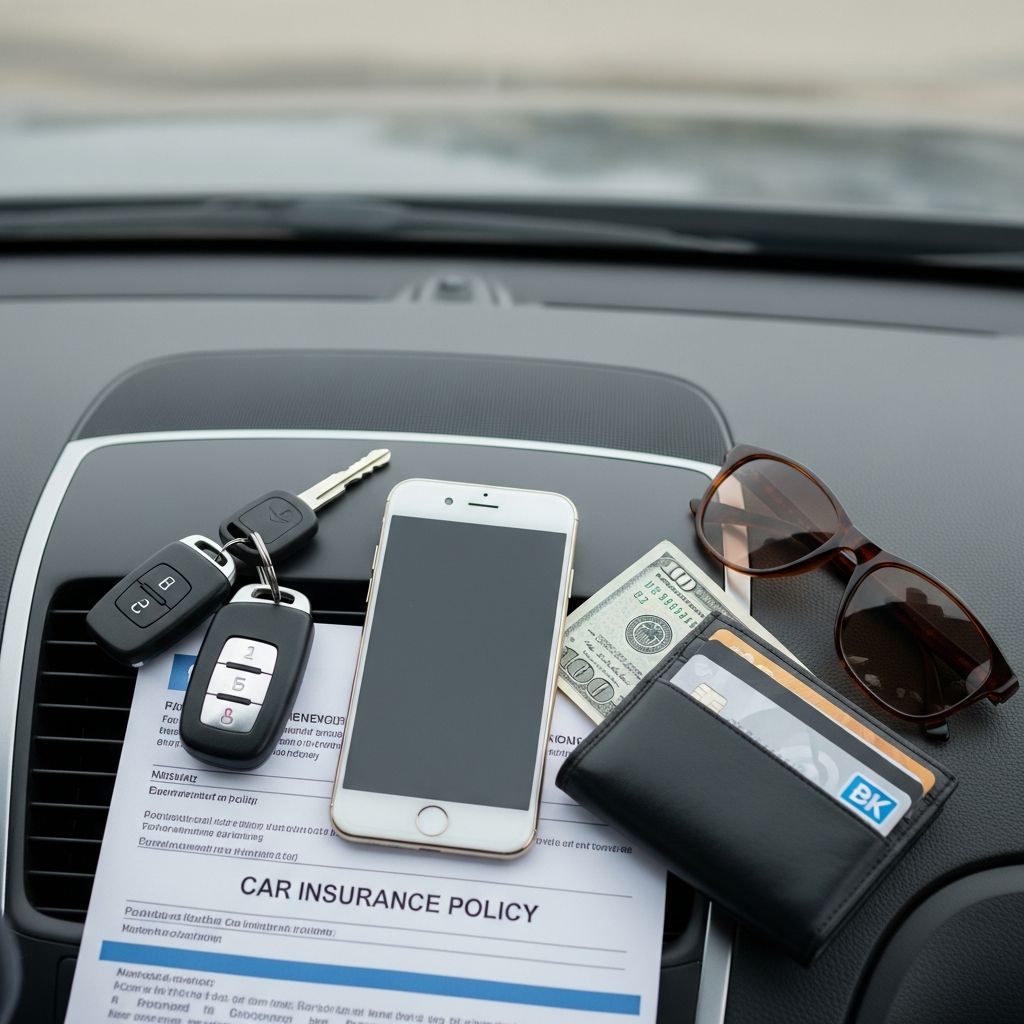
Auto insurance primarily safeguards your vehicle against accidents, theft, and damage, but it leaves personal belongings vulnerable. Items like electronics, clothing, or jewelry stolen from your car typically fall outside standard car policy coverage, shifting responsibility to homeowners or renters insurance for protection.
Understanding the Limits of Auto Insurance Policies
Car insurance policies focus on the vehicle itself rather than contents inside it. Liability coverage handles damages you cause to others, collision pays for accident repairs to your car, and comprehensive addresses non-collision events like theft or vandalism. However, personal property—movable items you bring into the car—remains uncovered under these provisions.
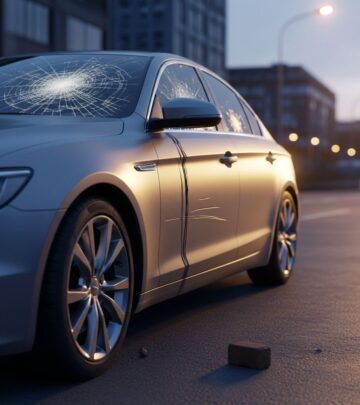
For instance, if a thief smashes your window to steal a laptop, comprehensive coverage might repair the window after your deductible, but the laptop’s value won’t be reimbursed by your auto insurer. This distinction arises because insurers classify personal items as separate from the vehicle’s intrinsic components.
- Collision coverage: Repairs to your car from crashes, regardless of fault.
- Comprehensive coverage: Protection for theft of the vehicle, vandalism, or weather damage—but not contents.
- Liability: Covers others’ injuries or property damage you cause, irrelevant to your own items.
Some policies offer rare add-ons for personal effects, but these are uncommon and limited. Always review your declarations page for specifics.
How Homeowners and Renters Insurance Protect Your Valuables
Unlike auto policies, homeowners and renters insurance include personal property coverage designed for belongings anywhere, not just at home. This “off-premises” extension typically covers theft from your car, up to a percentage of your total personal property limit—often 10%.
Imagine your personal property limit is $50,000; off-premises theft might cap at $5,000. Coverage applies to fire, theft, or certain perils, replacing items at actual cash value (depreciated) or replacement cost if upgraded.
| Scenario | Auto Insurance | Homeowners/Renters |
|---|---|---|
| Vehicle stolen | Yes (comprehensive) | No |
| Broken window from break-in | Yes (comprehensive) | No |
| Laptop stolen from car | No | Yes (off-premises limit) |
| Sports gear damaged in fire | No | Yes |
This table highlights key differences, showing how home policies bridge auto gaps for portable items.
Coverage Limits and Valuable Items Challenges
Standard personal property policies impose sub-limits on high-value categories: $1,500–$2,500 for jewelry, $1,000–$2,000 for computers, and similar for sports equipment or firearms. Exceeding these requires a scheduled personal property endorsement, or “floater,” which provides broader protection without a deductible.
For frequent car-stored valuables like tools or cameras, inventory them with photos and receipts. This documentation speeds claims and proves ownership.
- Jewelry and furs: Often $1,500 limit.
- Electronics like laptops: $1,000–$2,500.
- Collectibles or art: Special riders needed.
Actual cash value accounts for depreciation, so a two-year-old phone might yield less than its purchase price. Opt for replacement cost coverage to avoid this shortfall.
Filing Claims for Stolen Items: Step-by-Step Guide
When theft occurs, act swiftly: Call police for a report, document damage with photos, and list stolen items. Contact your homeowners insurer promptly—delays can complicate approval.
- Secure the scene: Prevent further loss; note vehicle damage separately for auto claim.
- Police report: Essential for validation.
- Gather proof: Receipts, serial numbers, photos.
- Submit claim: Provide inventory; expect adjuster review.
- Repair vehicle: Use auto comprehensive if applicable.
Claims may raise premiums, as they signal risk. Weigh small claims against potential rate hikes.
Preventive Strategies to Minimize Theft Risks
Proactive habits reduce incidents: Park in well-lit areas, hide valuables, use steering wheel locks or alarms, and engrave items for identification. Never leave purses, phones, or bags visible—thieves target easy scores.
Consider GPS trackers for high-value items or vehicle immobilization devices. Bundling auto and home policies often yields discounts and simplifies management.
- Install visible alarms or cameras.
- Use trunk storage over seats.
- Remove temptations like gym bags overnight.
- Opt for garages when possible.
These steps not only deter crime but can lower insurance rates via discounts for anti-theft features.
Special Cases: Attached Items and Custom Additions
Permanently attached accessories, like custom rims or bike racks, may qualify under comprehensive if documented. Temporary items, however, revert to personal property rules.
For business owners, commercial auto or separate business policies might cover tools. Students or travelers should verify off-premises extensions in renters plans.
Cost Considerations and Bundling Benefits
Renters insurance averages $15–$30 monthly, homeowners slightly more, offering broad protection for minimal cost. Bundling with auto saves 10–25% typically.
Compare quotes annually; rising premiums post-claim underscore shopping value.
Frequently Asked Questions
Does comprehensive car insurance cover my phone if stolen?
No, comprehensive covers the car, not contents. Check homeowners for portable electronics.
What’s the typical off-premises limit?
Often 10% of personal property coverage, e.g., $5,000 on a $50,000 policy.
Can I add personal items to my auto policy?
Rarely; most insurers exclude it. Home policies are standard for this.
Does renters insurance cover items stolen from a locked car?
Yes, under off-premises theft provisions, subject to limits.
How does depreciation affect claims?
Actual cash value deducts wear; upgrade to replacement cost for full value.
Key Takeaways for Comprehensive Protection
Layer auto and home/renters policies for full coverage. Review limits, document possessions, and adopt prevention tactics to stay secure without overpaying.
References
- Does Car Insurance Cover Your Personal Belongings? — Experian. 2023-05-15. https://www.experian.com/blogs/ask-experian/does-car-insurance-cover-personal-belongings/
- Does Auto Insurance Cover Theft of Personal Property in a Vehicle? — Western National Insurance. 2022-10-01. https://www.wnins.com/thewesternsource/theftfromvehicle.html
- Does Car Insurance Cover Theft? — Progressive. 2024-01-20. https://www.progressive.com/answers/does-car-insurance-cover-theft/
- Is Property in My Car Covered Under My Home Insurance? — Farmers Insurance. 2023-08-10. https://www.farmers.com/learn/insurance-questions/is-property-in-my-car-covered-under-my-home-insurance/
- What is Personal Property Coverage? — GEICO. 2024-03-05. https://www.geico.com/information/aboutinsurance/homeowners/personal-property/
Similar Articles








Read full bio of medha deb