Understanding Car Insurance: Fault vs. No-Fault Systems
Learn how fault and no-fault insurance systems differ and impact your coverage.
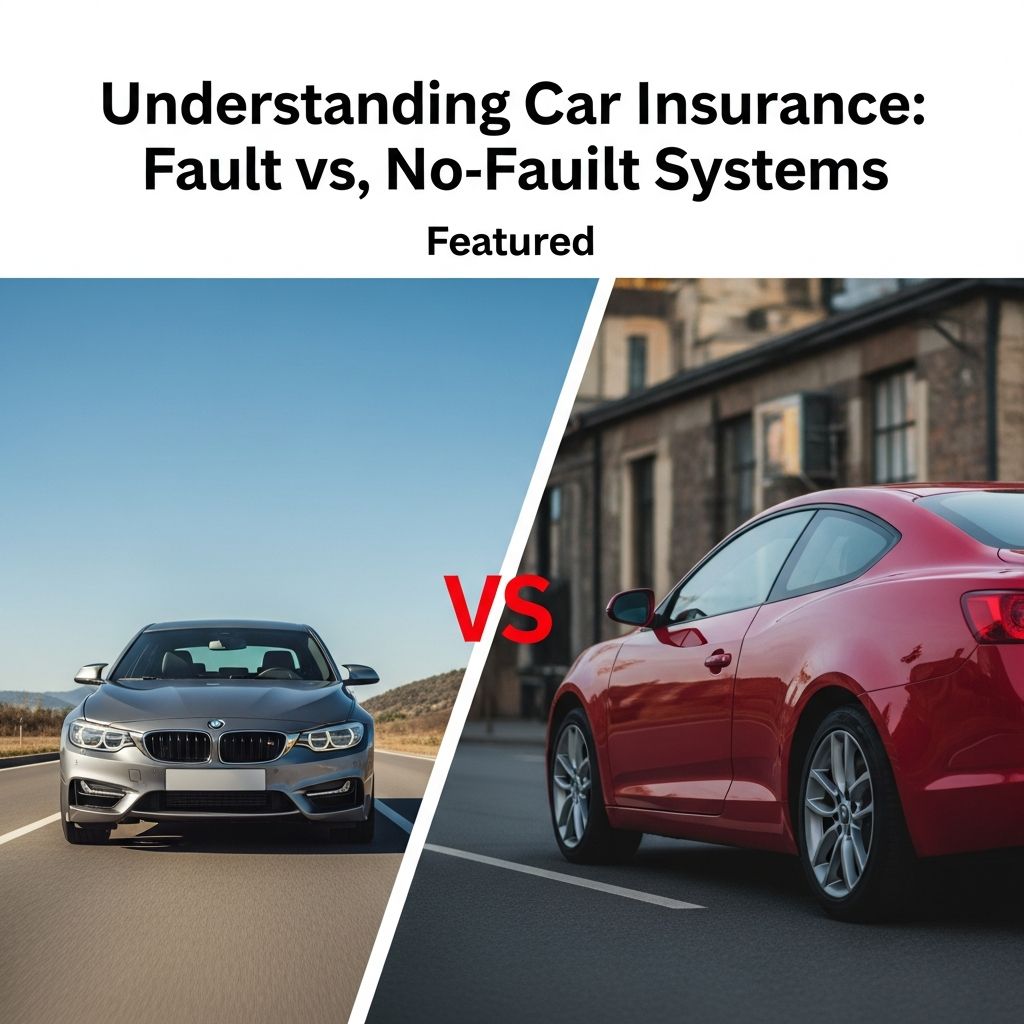
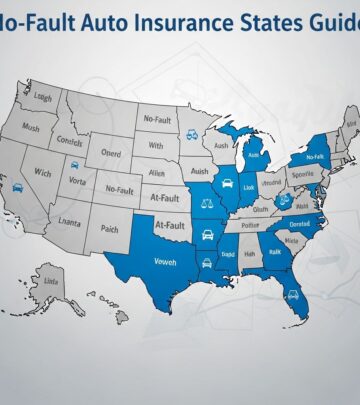
When shopping for auto insurance or navigating the aftermath of a collision, understanding your state’s insurance framework is essential. Two primary systems govern how insurance claims are processed and who bears financial responsibility following an accident: fault-based and no-fault insurance systems. These frameworks fundamentally differ in how they determine compensation, process claims, and protect drivers. While most states operate under a fault-based system, approximately two dozen states have adopted no-fault insurance laws, creating distinct approaches to accident resolution and injury compensation.
The Foundation of Fault-Based Insurance Systems
In at-fault states, the driver responsible for causing an accident bears financial liability for all resulting damages and injuries. This system operates on a straightforward principle: the party whose negligence or actions caused the collision must compensate the other driver and any passengers for medical expenses, vehicle repairs, and other damages.
How Claims Processing Works in Fault States
When an accident occurs in a fault state, the injured party files a claim with the at-fault driver’s insurance company. The claims adjuster investigates the accident to determine who caused it, examining police reports, witness statements, vehicle damage patterns, and other evidence. Once fault is established, the at-fault driver’s liability insurance covers:
- Medical bills and healthcare expenses for injured parties
- Lost wages due to recovery and medical treatment
- Vehicle repair or replacement costs
- Property damage beyond vehicles
- Pain and suffering compensation in many cases
This comprehensive coverage approach means that innocent parties can recover fully for their losses through the at-fault driver’s insurance policy. However, if the at-fault driver is uninsured or underinsured, the injured party may face challenges recovering damages, though uninsured motorist coverage can help bridge this gap.
Advantages and Disadvantages of Fault Systems
Fault-based insurance promotes accountability by creating financial consequences for negligent driving. Drivers who know they bear responsibility for damages caused by their actions may exercise greater caution on roadways. Additionally, innocent parties retain more control over their claims process and can pursue full compensation for all damages, including non-economic losses like pain and suffering.
However, fault determination can be time-consuming and contentious. When liability is unclear, disputes may escalate into litigation, extending the claims process and increasing legal costs for all parties involved. Insurance companies may contest fault determinations, leading to prolonged negotiations before compensation is disbursed.
No-Fault Insurance: An Alternative Approach
No-fault states operate under a fundamentally different principle. Rather than determining who caused an accident, no-fault systems prioritize rapid compensation by allowing each party to file claims with their own insurance company, regardless of accident causation. This approach streamlines claims processing and ensures prompt payment for medical expenses and other specified losses.
Personal Injury Protection and Coverage Scope
In no-fault states, drivers must carry Personal Injury Protection (PIP) coverage, sometimes called medical payments coverage. PIP insurance covers the policyholder and their passengers for expenses incurred as a direct result of an auto accident, including:
- Medical and surgical treatment costs
- Hospital and rehabilitation services
- Lost wages during recovery periods
- Essential services such as childcare, housekeeping, or lawn maintenance
- Funeral expenses in fatal accidents
- Dependent child care costs
One critical distinction in no-fault systems is that PIP coverage applies exclusively to medical expenses and economic losses. It does not compensate for vehicle damage or property damage. Instead, the at-fault driver’s property damage liability coverage remains responsible for repairing damaged vehicles and compensating for other property losses. This hybrid approach means that even in no-fault states, the driver at fault still bears responsibility for property damage claims.
Limitations on Legal Action in No-Fault States
A defining characteristic of no-fault insurance is restricted litigation rights. Generally, drivers in no-fault states cannot sue the at-fault driver for compensation, even if the accident caused significant injuries. Instead, they must rely on their own PIP coverage for compensation. This restriction exists to reduce the volume of lawsuits and keep insurance costs lower by avoiding expensive litigation.
However, most no-fault states recognize exceptions to this rule. If injuries meet the state’s legal threshold for “serious injury,” an injured party may have the right to sue the at-fault driver for non-economic damages like pain and suffering. These thresholds vary by state and may be defined by specific injury types, medical expenses exceeding a certain amount, or permanent scarring or disfigurement.
Key Operational Differences Between Systems
| Aspect | At-Fault States | No-Fault States |
|---|---|---|
| Claims Filing | File with at-fault driver’s insurer | File with your own insurer |
| Fault Determination | Required before payment | Not required for medical expenses |
| Medical Expense Coverage | Via at-fault driver’s liability insurance | Via your own PIP coverage |
| Property Damage Coverage | Via at-fault driver’s liability insurance | Via at-fault driver’s liability insurance |
| Right to Sue | Yes, always available | Limited; only for serious injuries |
| Claims Processing Time | Longer; requires investigation | Faster; minimal investigation needed |
| Non-Economic Damages | Available through lawsuit | Limited; exceptions for severe injuries |
Insurance Coverage Requirements Across Systems
State insurance requirements reflect whether the state uses fault or no-fault systems. In at-fault states, drivers must carry liability insurance that covers bodily injury and property damage. Typical minimum coverage in at-fault states is structured as 30/60/25, representing:
- $30,000 maximum bodily injury coverage per person
- $60,000 maximum bodily injury coverage per accident
- $25,000 maximum property damage coverage
In no-fault states, drivers must carry both liability insurance for property damage and PIP coverage for medical expenses. The minimum PIP coverage requirements vary significantly by state, ranging from $10,000 to $50,000 or more in some cases. This mandatory PIP requirement often results in higher base insurance premiums in no-fault states compared to their at-fault counterparts.
Financial Implications for Drivers
The choice between fault and no-fault systems creates different financial outcomes for drivers. In at-fault states, insurance premiums may be lower because claims are less frequent—many minor accidents never generate insurance claims when damages are minor or when uninsured drivers are involved. However, when accidents do occur and fault is disputed, legal costs can accumulate quickly.
No-fault states typically feature higher base insurance premiums because insurers expect more claims to be filed. With no fault determination required, barriers to filing claims are removed, resulting in greater claims volume. However, the expedited claims process and elimination of litigation reduce some operational costs, which may partially offset higher premiums in certain cases.
Handling Accidents When You’re Not at Fault
Being involved in an accident you did not cause produces different outcomes depending on your state’s insurance system. In at-fault states, the at-fault driver’s insurance company should compensate you for all damages. Your insurance company typically becomes involved only if the at-fault driver is uninsured or underinsured, or if you need to pursue additional legal remedies.
In no-fault states, your own PIP coverage compensates you for medical expenses regardless of fault. Your insurance company files first and processes your claim quickly. However, you must still notify the at-fault driver’s insurance company about property damage, as their liability coverage remains responsible for vehicle repairs and other property losses. Your insurance company may pursue subrogation—recovering from the at-fault driver’s insurer the amounts it paid out—but you typically don’t manage this process directly.
The Impact of Uninsured Drivers
Uninsured motorists present particular challenges in both systems. In at-fault states, if an uninsured at-fault driver hits you, your own uninsured motorist coverage becomes critical for recovering medical expenses and damages. Without this optional coverage, you may face significant out-of-pocket costs.
In no-fault states, your PIP coverage protects you against uninsured drivers, as your own insurer pays for your medical expenses regardless of whether the other driver carried insurance. However, for property damage, you may still need uninsured motorist property damage coverage to recover vehicle repair costs if the uninsured driver cannot pay.
Frequently Asked Questions
Does “no-fault” mean nobody was responsible for the accident?
No. “No-fault” refers only to how insurance claims are processed and paid, not to actual responsibility. In no-fault states, one driver typically did cause the accident, but for insurance claim purposes, each party receives compensation from their own insurer regardless of who caused it.
Can I sue in a no-fault state?
Generally, no—you cannot sue the at-fault driver in a no-fault state unless your injuries meet the state’s legal threshold for “serious injury.” This threshold varies by state but typically includes substantial medical expenses, permanent disability, or significant scarring.
Why is no-fault insurance sometimes more expensive?
No-fault insurance typically involves higher premiums because mandatory PIP coverage and reduced litigation barriers encourage more claims to be filed. Insurance companies anticipate greater overall claims volume, which is reflected in premium pricing.
Do I need liability insurance in a no-fault state?
Yes. While PIP covers your medical expenses, liability insurance remains mandatory to cover property damage and injuries you cause to others. No-fault systems do not eliminate the at-fault driver’s responsibility for property damage.
How long does claims processing typically take?
In no-fault states, claims typically process faster—often within weeks—because fault determination is unnecessary. In at-fault states, determining fault can extend the process to several months if liability is disputed or if litigation becomes necessary.
Choosing the Right Coverage Strategy
Understanding whether you live in a fault or no-fault state helps you make informed insurance decisions. In at-fault states, prioritize comprehensive liability coverage and uninsured motorist protection. In no-fault states, ensure your PIP coverage limits are adequate for your potential medical expenses, and maintain appropriate liability coverage for property damage.
Regardless of your state’s system, supplemental coverage options like medical payments coverage, uninsured motorist protection, and umbrella policies can provide additional financial security. Consulting with an insurance agent familiar with your state’s specific requirements ensures you maintain adequate protection aligned with your risk profile and financial situation.
References
- What Does No-Fault State Mean? — Bankrate. 2024. https://www.bankrate.com/insurance/car/fault-vs-no-fault-accidents/
- No-Fault vs. At-Fault Car Insurance: Which Is Best? — Baldwin Law Group. 2024. https://baldwin.com/insights/choosing-car-insurance-no-fault-vs-at-fault-explained/
- Understanding No-Fault vs. At-Fault Insurance — Liggett Law Group. 2024. https://liggettlawgroup.com/blog/car-accidents/no-fault-vs-at-fault-insurance/
- No-Fault vs. At-Fault Insurance — FVF Law Firm. 2024. https://www.fvflawfirm.com/personal-injury-resources/no-fault-vs-at-fault-insurance/
- At-Fault vs. No-Fault Accidents — Progressive. 2024. https://www.progressive.com/answers/at-fault-vs-no-fault-accidents/
- What is No-fault Insurance? — Nationwide. 2024. https://www.nationwide.com/lc/resources/auto-insurance/articles/what-is-no-fault-insurance
- Understand Who’s at Fault in a Car Accident — Allstate. 2024. https://www.allstate.com/resources/car-insurance/determining-fault-after-car-accident
Similar Articles








Read full bio of medha deb