Car Insurance Explained
Unlock the essentials of car insurance: from mandatory coverages to smart ways to save on premiums and protect your assets.

Car insurance serves as a critical financial safety net for drivers, covering costs from accidents, theft, and other incidents involving your vehicle. It functions as a contract where you pay premiums in exchange for protection against specified losses, ensuring you’re not overwhelmed by unexpected expenses.
Why Car Insurance Matters for Every Driver
Without adequate coverage, a single accident can lead to devastating financial consequences, including medical bills, vehicle repairs, and legal fees. Most states mandate minimum liability insurance to protect other road users, reflecting its role in promoting safer roads and shared responsibility.
Insurance policies typically last six months to a year, with premiums calculated based on factors like driving history, location, vehicle type, and coverage levels. Understanding these elements empowers you to select a policy that balances protection and affordability.
Breaking Down the Core Components of a Policy
A standard auto policy bundles several coverages, each addressing specific risks. Here’s what they entail:
- Premiums: Regular payments to maintain coverage, often monthly or annually. Higher limits or add-ons increase costs.
- Deductibles: The amount you pay out-of-pocket before insurance kicks in, typically for collision and comprehensive claims. Choosing a higher deductible lowers premiums.
- Policy Limits: Maximum payouts per incident or person, split into bodily injury and property damage categories.
- Exclusions: Situations not covered, such as intentional damage or driving under the influence.
Mandatory Coverages: What States Require
Every state except New Hampshire requires drivers to carry liability insurance, which pays for injuries and property damage you cause to others. Minimum limits vary; for example, many states set bodily injury at $25,000 per person/$50,000 per accident and property damage at $25,000.
| State Example | Bodily Injury (Per Person/Accident) | Property Damage |
|---|---|---|
| California | $30,000/$60,000 | $15,000 |
| Texas | $30,000/$60,000 | $25,000 |
| Florida | $10,000 (PDL only*) | $10,000 |
| *Florida requires Property Damage Liability (PDL); PIP is also mandatory. | ||
Some states demand additional protections like Personal Injury Protection (PIP) or Medical Payments (MedPay), covering your medical costs regardless of fault.
Essential Coverage Types Demystified
Auto insurance comprises six primary coverages, blending required and optional elements for comprehensive protection.
Liability Coverage
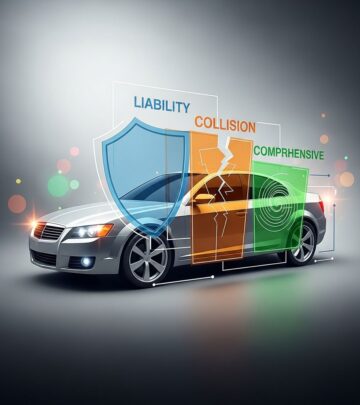
This cornerstone protects against claims when you’re at fault. Bodily Injury Liability covers others’ medical treatment, lost wages, and legal defense, while Property Damage Liability handles repairs to vehicles, structures, or fences.
Example: If you rear-end another car causing $20,000 in repairs and $50,000 in injuries, liability pays up to your limits, shielding your personal assets.
Uninsured/Underinsured Motorist Coverage
Protects you if hit by a driver lacking sufficient insurance. It covers your medical bills, lost wages, and vehicle damage, often matching liability limits.
Collision Coverage
Pays for your vehicle’s repairs after colliding with another car or object, regardless of fault. Essential for financed vehicles, as lenders often require it.
Comprehensive Coverage
Handles non-collision damage like theft, vandalism, fire, hail, or animal strikes. It’s optional but recommended for parked car risks.
Medical and No-Fault Coverages
MedPay covers immediate medical and funeral expenses for you and passengers, no-fault required. PIP, broader in no-fault states like Maryland ($2,500 minimum), includes wage loss and rehab.
Optional Add-Ons for Enhanced Protection
Beyond basics, consider these for tailored security:
- Rental Reimbursement: Pays for a temporary car while yours is repaired.
- Gap Insurance: Covers the difference between your car’s value and loan balance if totaled.
- Roadside Assistance: Towing, flat tire changes, and fuel delivery.
- New Car Replacement: Replaces recent models with equivalent new ones after total loss.
How Claims Work: From Incident to Payout
Filing a claim involves notifying your insurer promptly, providing police reports, photos, and witness details. Adjusters assess damage; you pay the deductible, then receive reimbursement.
For total losses, insurers pay the actual cash value minus deductible. Beware salvage titles, which reduce resale value.
Factors Influencing Your Premium Costs
Insurers evaluate risk via:
- Age, driving record, and credit score.
- Annual mileage and vehicle safety features.
- Location (urban areas cost more due to theft/accident rates).
- Coverage selections and deductibles.
Bundling home/auto or installing anti-theft devices can yield discounts up to 25%.
Strategies to Lower Premiums Without Sacrificing Coverage
- Shop annually and compare quotes from multiple providers.
- Increase deductibles if you have savings.
- Maintain a clean record and complete defensive driving courses.
- Opt for paperless billing and automatic payments.
- Choose vehicles with top safety ratings.
State Variations and Special Rules
No-fault states (e.g., Pennsylvania, Maryland) prioritize PIP for quick medical payouts, limiting lawsuits for pain/suffering under limited tort options. Full tort allows broader claims but raises premiums.
Verify your state’s Department of Insurance site for exact mandates, as they evolve.
Common Mistakes to Avoid
- Underinsuring: Minimums often fall short of real costs; aim for 100/300/100 limits.
- Ignoring Exclusions: Custom parts or business use may not be covered.
- Skipping Reviews: Life changes like moving warrant policy updates.
Frequently Asked Questions (FAQs)
What happens if I drive without insurance?
Fines, license suspension, vehicle impoundment, and personal liability for damages.
Does insurance cover totaled cars?
Yes, via actual cash value payout if collision/comprehensive applies.
Can I add a teen driver?
Yes, but expect 50-100% premium hikes due to risk.
What’s the average premium?
Around $2,000/year nationally, varying by state and profile.
Does credit affect rates?
In most states, yes—better scores mean lower premiums.
Choosing the Right Policy for Your Needs
Assess your finances, driving habits, and assets. Use online tools for quotes, read policy fine print, and consult agents. Regularly review to adapt to changes like marriage or new jobs.
By grasping these fundamentals, you secure not just compliance but true peace of mind on the road.
References
- Auto Insurance Basics — Rocky Mountain Insurance Information Association. 2015. https://www.rmiia.org/auto/steering_through_your_auto_policy/Auto_Insurance_Basics.asp
- Auto Insurance Basics — Insurance Information Institute. Accessed 2026. https://www.iii.org/publications/insurance-handbook/insurance-basics/auto-insurance-basics
- 6 Types of Car Insurance Coverage — Allstate. 2026-01. https://www.allstate.com/resources/car-insurance/types-of-car-insurance-coverage
- Auto insurance basics—understanding your coverage — Insurance Information Institute. Accessed 2026. https://www.iii.org/article/auto-insurance-basics-understanding-your-coverage
- Auto Insurance Basics: Understanding Car Insurance in 2025 — Mutual Benefit Group. 2025. https://www.mutualbenefitgroup.com/insurance-101/personal-insurance-101/understanding-the-basics-of-auto-insurance
- How Does Car Insurance Work? — Progressive. Accessed 2026. https://www.progressive.com/answers/auto-101/
- Car Insurance Explained: Everything You Need To Know — Car and Driver. Accessed 2026. https://www.caranddriver.com/car-insurance/a35291950/car-insurance-explained/
Similar Articles








Read full bio of medha deb