Car Insurance Explained
Unlock the essentials of car insurance: from coverage types and premiums to claims processes and smart saving strategies for drivers.

Car insurance serves as a critical financial safety net for vehicle owners, shielding them from the potentially devastating costs associated with accidents, theft, and other incidents. By pooling premiums from numerous policyholders, insurers distribute risk and provide payouts for covered losses, ensuring individuals aren’t bankrupted by unforeseen events.
Understanding the Fundamentals of Auto Policies
At its essence, an auto insurance policy is a binding agreement where the driver pays regular premiums in return for the insurer’s promise to cover specified damages or injuries. This contract outlines what events trigger coverage, the maximum amounts payable, and the driver’s responsibilities, such as paying a deductible before claims are honored.
Premiums represent the cost of this protection, influenced by personal factors like age, driving history, credit profile, location, and vehicle specifics. Insurers assess these to gauge risk; for instance, young drivers or those with violations face higher rates due to elevated accident probabilities.
Deductibles function as the policyholder’s initial out-of-pocket expense per claim. Opting for a higher deductible typically lowers premiums, appealing to those confident in avoiding frequent claims, while lower deductibles suit cautious drivers willing to pay more upfront for peace of mind.
Core Coverage Types Every Driver Should Know
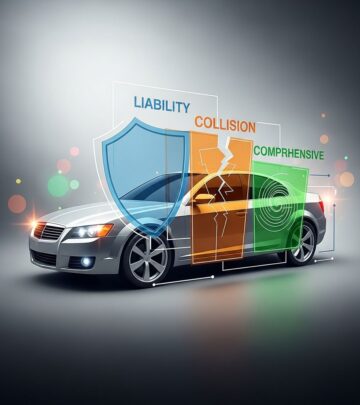
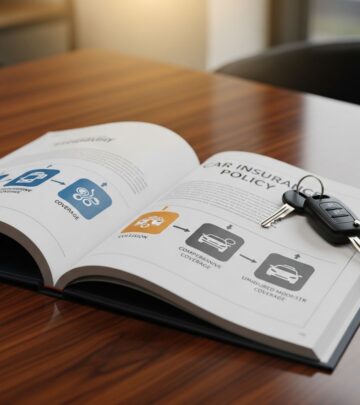
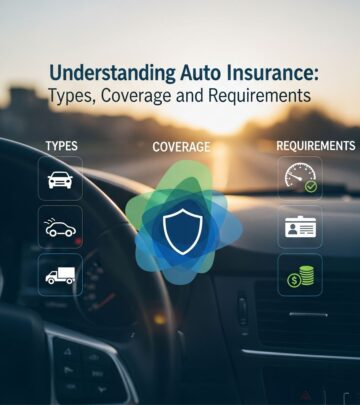
Auto policies bundle various coverages, each targeting distinct risks. Liability stands as the cornerstone, mandated in nearly all states to cover injuries and property damage inflicted on others in at-fault accidents.
- Bodily Injury Liability: Handles medical treatments, lost wages, and legal defenses for others harmed in crashes you cause.
- Property Damage Liability: Pays for repairs to vehicles, structures, or other property damaged due to your negligence.
These are expressed in formats like 100/300/100, denoting $100,000 per person, $300,000 per accident for injuries, and $100,000 for property.
Beyond liability, drivers often select add-ons for personal vehicle protection:
- Collision Coverage: Repairs or replaces your car after colliding with another vehicle or object, regardless of fault, minus your deductible.
- Comprehensive Coverage: Addresses non-collision damages like theft, vandalism, fire, hail, or animal strikes.
Full coverage typically combines collision and comprehensive with liability, often required for financed or leased vehicles.
Additional Protections for Enhanced Security
Optional coverages fill gaps in standard policies. Uninsured/underinsured motorist coverage safeguards against drivers lacking sufficient insurance, covering your medical bills and repairs in such scenarios.
Medical payments or personal injury protection (PIP) reimburses healthcare costs, rehabilitation, and sometimes lost income for you and passengers, irrespective of fault. No-fault states favor PIP for swift claim resolutions without litigation.
| Coverage Type | What It Covers | Typical Requirement |
|---|---|---|
| Liability | Injuries/property damage to others | Mandatory in most states |
| Collision | Your car’s crash damage | Lender-required for loans/leases |
| Comprehensive | Theft, weather, vandalism | Lender-required |
| Uninsured Motorist | Accidents with uninsured drivers | Required in some states |
| PIP/MedPay | Medical costs regardless of fault | No-fault state mandate |
How Premiums Are Determined and Ways to Reduce Them
Insurers employ algorithms analyzing driver profiles to set premiums. Safe records, good credit, and low-mileage driving yield discounts, while urban parking or sports cars hike costs due to theft or repair expenses.
To trim expenses:
- Shop multiple quotes annually.
- Bundling home and auto policies often nets 10-25% savings.
- Defensive driving courses qualify for reductions.
- Usage-based programs track habits for safe driver rewards.
- Maintaining continuous coverage avoids lapse penalties.
Higher deductibles can slash premiums by 20-30%, but balance this against potential claim costs.
Navigating the Claims Process Step-by-Step
Post-incident, prompt action accelerates payouts. Contact your insurer immediately, document the scene with photos, exchange details with involved parties, and notify police for official reports.
A claims adjuster investigates, assesses damages, and confirms coverage. Approved claims result in payments up to limits after your deductible. Totaled vehicles yield actual cash value payouts, potentially less than owed on loans—gap insurance bridges this.
At-fault determinations influence liability claims; not-at-fault incidents leverage the responsible party’s policy where possible.
State Variations and Minimum Requirements
While all states but New Hampshire mandate coverage, minimums differ. California requires 15/30/5, New York 25/50/10. Exceeding minima via higher limits fortifies protection against inflation-driven repair costs.
No-fault states like Michigan prioritize PIP for immediate benefits, minimizing lawsuits. Proof of insurance via ID cards or apps prevents fines, impounds, or SR-22 filings for high-risk drivers.
Common Misconceptions and Pro Tips
Many believe insurance covers maintenance—no, it excludes wear-and-tear. Others overlook rental car reimbursement, stranding them post-claim.
Pro tips: Review policies yearly, understand exclusions like racing or business use, and consider roadside assistance for breakdowns.
Frequently Asked Questions (FAQs)
What happens if I drive without insurance?
Fines, license suspension, vehicle impoundment, and future premium hikes await uninsured drivers caught operating a vehicle.
Does car insurance cover theft?
Comprehensive coverage handles theft, paying your vehicle’s value minus deductible after a police report.
How much liability coverage do I need?
Experts recommend 100/300/100 minimums to match modern medical and repair expenses adequately.
Can I insure a car I don’t own?
Yes, with non-owner policies for frequent renters or borrowed vehicle users lacking primary coverage.
What is an SR-22?
A court-ordered filing verifying high-risk drivers maintain mandated coverage levels.
Choosing the Right Policy for Your Needs
Tailor coverage to assets, driving habits, and budget. Young drivers may prioritize liability, families full coverage with high limits. Online tools and agents aid comparisons, ensuring value without overpaying.
Regular audits prevent gaps as life changes—new cars, moves, or additions demand updates.
References
- Car Insurance Basics 101 — MoneyGeek. 2023. https://www.moneygeek.com/insurance/auto/car-insurance-basics-101/
- Auto Insurance Basics — Insurance Information Institute. 2024-03-15. https://www.iii.org/publications/insurance-handbook/insurance-basics/auto-insurance-basics
- 6 Types of Car Insurance Coverage — Allstate. 2025-01-10. https://www.allstate.com/resources/car-insurance/types-of-car-insurance-coverage
- Auto Insurance Basics—Understanding Your Coverage — Insurance Information Institute. 2024-02-20. https://www.iii.org/article/auto-insurance-basics-understanding-your-coverage
- Auto Insurance Basics — Rocky Mountain Insurance Information Association. 2015. http://www.rmiia.org/auto/steering_through_your_auto_policy/Auto_Insurance_Basics.asp
Similar Articles








Read full bio of Sneha Tete