Car Insurance Requirements for Your Driving Test
Everything learner drivers need to know about insurance coverage for practical driving tests in the UK.
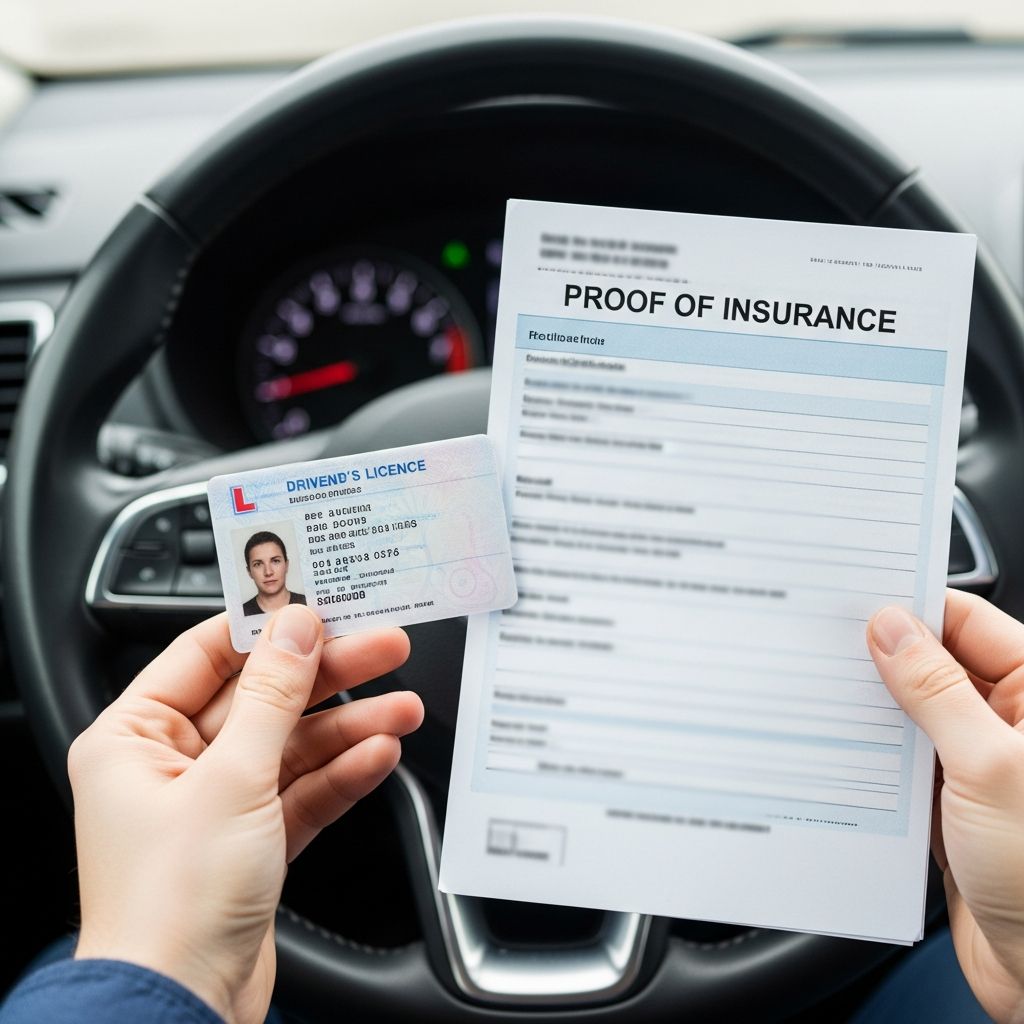
Taking a driving test represents a significant milestone for learner drivers across the UK. Beyond perfecting your maneuvers and demonstrating road awareness, one critical aspect that many candidates overlook is ensuring proper insurance coverage for the test day. The question of whether you need insurance when taking your practical test is not merely a suggestion—it’s a legal requirement that carries serious consequences if overlooked.
This comprehensive guide explores everything you need to know about obtaining and maintaining appropriate insurance coverage for your driving test, from understanding different policy types to preparing the necessary documentation.
Is Insurance Mandatory for Taking Your Driving Test?
The straightforward answer is yes. You must have valid insurance coverage to take your practical driving test in the United Kingdom. This requirement applies regardless of whether you’re using your own vehicle, your instructor’s car, or someone else’s vehicle. The DVSA (Driver and Vehicle Standards Agency) enforces this regulation strictly, and test centres are instructed to verify insurance documentation before allowing any candidate to proceed.
This legal mandate exists to protect all road users and ensure that accidents or damage during the test are covered appropriately. The examiner conducting your test is required by law to confirm that your vehicle is properly insured before you begin. Attempting to take your test without valid insurance is not only against the rules—it’s illegal and can result in immediate test cancellation along with additional legal penalties.
Understanding Your Insurance Options as a Learner Driver
Learner drivers have several pathways to obtaining insurance coverage for their driving test. Understanding each option helps you choose the most suitable and cost-effective solution for your circumstances.
Learner Driver Insurance for Your Own Vehicle
If you own the vehicle you’ll be using for your test, you’ll need to arrange dedicated learner driver insurance in your own name. This specialized insurance is designed specifically for provisional licence holders and covers the unique needs of learners. When you obtain learner driver insurance, ensure that the policy explicitly includes coverage for driving tests, as not all learner policies automatically include this provision.
To be eligible for learner driver insurance, you typically must meet several criteria:
- Hold a current provisional GB driving licence
- Be aged between 17 and 50 years old
- Be a permanent UK resident
- Own a vehicle registered in the UK with a market value under £40,000
- Ensure the vehicle has no more than 7 seats and hasn’t been modified
Instructor’s Insurance Coverage
Many learner drivers use their instructor’s vehicle during lessons and for their practical test. In such cases, the driving school’s instructor insurance provides coverage. This insurance automatically includes driving tests and eliminates the need for you to arrange separate coverage. Using the instructor’s vehicle has the additional advantage of guaranteeing that the car meets all DVSA vehicle specifications, reducing the likelihood of test postponement due to vehicle issues.
If you choose this route, confirm with your driving school that their insurance policy includes test day coverage before scheduling your test appointment.
Temporary and Short-Term Insurance Solutions
For candidates who find that their existing insurance doesn’t cover driving tests, temporary insurance policies offer a practical alternative. Test day insurance provides short-term coverage lasting as little as 12 hours, allowing you to drive specifically for your test. These policies can often be arranged instantly or on very short notice, making them ideal for learners who discover insurance gaps close to their test date.
Additionally, some insurers allow you to add driving test coverage to your existing learner policy as an add-on, providing more flexibility than changing providers entirely.
Essential Vehicle Requirements for Your Test
Beyond insurance, your vehicle must meet specific technical and safety standards established by the DVSA. These requirements exist to ensure the examiner has adequate visibility, the test can be conducted safely, and the vehicle is roadworthy.
Vehicle Specifications and Safety Standards
| Requirement | Specification |
|---|---|
| Maximum Weight (MAM) | Must not exceed 3,500 kg |
| Minimum Speed | Must be capable of reaching at least 62 mph |
| Speedometer | Must have an mph speedometer |
| L-Plates | L-plates required on front and rear (D-plates in Wales) |
| MOT Status | Must have a current, valid MOT certificate if required |
| Tax Status | Vehicle tax must be current and valid |
| Roadworthiness | Vehicle must be in safe, working condition |
| Tyres | All tyres must have minimum 1.6mm tread depth with no damage |
| Dashboard Warning Lights | No warning lights should be illuminated |
Vehicle Models Prohibited During Tests
Certain vehicle models are prohibited during driving tests because they don’t provide the examiner with adequate all-round vision. These include:
- BMW Mini convertible
- Ford KA convertible
- Smart Fortwo (2-door)
- Toyota iQ
- VW Beetle convertible
Before booking your test with a specific vehicle, verify that your car isn’t on the prohibited list to avoid disappointment on test day.
Pre-Test Vehicle Inspection Checklist
Several days before your test, thoroughly inspect your vehicle to ensure it meets requirements:
- Check all tyres for adequate tread depth and visible damage
- Verify all lights function correctly (headlights, brake lights, indicators, hazard lights)
- Confirm there are no dashboard warning lights illuminated
- Test windscreen wipers and ensure adequate washer fluid
- Verify mirrors are correctly positioned and clean
- Check that L-plates are securely attached and legible
- Ensure vehicle tax is valid and MOT (if applicable) is current
- Confirm insurance documents are accessible
Critical Documentation You’ll Need on Test Day
Arriving at your test centre unprepared with documentation can result in immediate cancellation. Having the correct paperwork organized beforehand eliminates stress and ensures a smooth check-in process.
Primary Documents Required
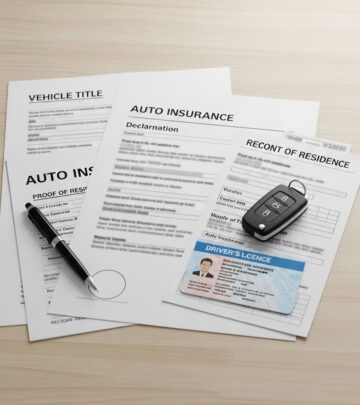
Your test centre requires three primary documents before you can proceed:
- Valid UK Driving Licence: Your provisional or full driving licence is essential. Bring the photocard along with the paper counterpart if you have one.
- Insurance Certificate: Proof of insurance specifically covering your driving test. This can be a physical certificate or digital proof on your phone.
- Theory Test Pass Certificate: If applicable to your test stage, bring evidence that you’ve passed your theory test.
Supporting Documentation
While not always mandatory, bringing these additional documents prevents potential complications:
- Vehicle registration document (V5C) proving your ownership or authorized use of the vehicle
- MOT certificate if your vehicle requires one
- Vehicle tax document showing current status
- Driving school booking confirmation
Digital copies of all documents on your phone provide backup if physical copies become lost or damaged.
What Happens When Insurance Requirements Aren’t Met
The consequences of failing to meet insurance requirements on test day extend far beyond simple inconvenience. Understanding these ramifications underscores the importance of proper preparation.
Immediate Test Cancellation
If your insurance is invalid, expired, or doesn’t include driving test coverage, the examiner is legally obligated to cancel your test before it begins. This means:
- You will not be allowed to take your test that day
- Your test fee may not be refunded depending on your test centre’s policy
- You must reschedule for a future date, potentially waiting weeks for another appointment
- Any time taken off work or travel arrangements become wasted
- You experience frustration and disappointment after preparation
Legal Penalties for Driving Uninsured
If you attempt to drive to your test centre without valid insurance, you face serious legal consequences that extend beyond your test:
- Fines: £300 or higher depending on circumstances
- Penalty Points: 6 points added to your driving record
- Vehicle Seizure: Police can impound your vehicle
- Long-term Impact: Uninsured driving convictions significantly increase future insurance costs and may remain on your record for years
These legal penalties are separate from driving test failures and can affect your ability to legally drive even after passing your test.
Verifying Your Insurance Covers Your Test
Don’t assume your insurance is adequate—contact your provider to confirm coverage explicitly. Check your policy details to ensure coverage includes test driving. Insurance policies vary considerably, and some policies that cover regular driving with supervision may not extend to driving tests.
When contacting your insurer, specifically ask:
- Does this policy cover driving tests?
- Is the vehicle insured to be driven without an instructor present?
- What is the exact extent of coverage (third party, third party fire and theft, or comprehensive)?
- Are there any restrictions or exclusions I should know about?
- Can you provide written confirmation of driving test coverage?
Request written confirmation of your coverage and keep this documentation with your other test day papers.
Planning Ahead: Timeline for Insurance Arrangements
Proper planning prevents last-minute complications. Consider this timeline when scheduling your test:
8-12 Weeks Before: Book your practical test appointment and begin researching insurance options. If using your own vehicle, begin the learner insurance application process.
4-6 Weeks Before: Finalize your insurance arrangement and obtain written confirmation of driving test coverage. Conduct initial vehicle checks.
2 Weeks Before: Gather all required documentation and organize it in an accessible folder or phone folder.
1 Week Before: Conduct comprehensive vehicle inspection and make any necessary repairs or adjustments.
3 Days Before: Verify all documents are in order and your insurance remains valid.
Night Before: Prepare your vehicle and documentation for the morning, including checking fuel level and confirming test appointment details.
Frequently Asked Questions About Driving Test Insurance
Can I take my test in someone else’s car without arranging separate insurance?
If you’re using someone else’s vehicle, you must ensure it has valid insurance covering your test. Check with the vehicle owner or their insurance provider—don’t assume coverage exists. You may be added as a named driver on their policy or arrange temporary coverage.
Is there ‘official’ driving test insurance I need to buy?
No official, mandated insurance specifically branded as “driving test insurance” exists. Rather, you need any valid insurance policy that includes driving test coverage. This might be learner driver insurance, provisional driver insurance with test coverage, or temporary short-term policies.
What if my driving test insurance expires before my test date?
Ensure your policy remains valid on your test date. If scheduled to expire, either renew your existing policy or arrange alternative coverage. Don’t let insurance lapse, as driving without coverage is illegal even to reach your test centre.
How much does driving test insurance typically cost?
Costs vary considerably depending on your age, driving history, vehicle type, and policy type. Annual learner insurance ranges from £200-£800, while temporary 12-hour coverage might cost £10-£50. Obtain quotes from multiple providers to find competitive rates.
Can I use my parent’s insurance as a named driver?
Potentially, yes. Many parents add learner children as named drivers on their comprehensive policies, and such policies often include test coverage. However, verify this explicitly with your insurance provider before relying on it.
Final Considerations Before Test Day
Your practical driving test represents the culmination of months of learning and preparation. Ensuring adequate insurance coverage removes one significant source of worry and potential complications. By understanding requirements, verifying coverage well in advance, and organizing required documentation, you position yourself for success.
Remember that insurance requirements exist to protect you, your examiner, and others sharing the road. Taking these requirements seriously demonstrates the responsibility expected of safe drivers. With insurance confirmed, vehicle checked, and documentation organized, you can focus on what matters most—demonstrating your driving skills to your examiner.
References
- Dayinsure — Dayinsure Limited. 2025. https://www.dayinsure.com/news/do-you-need-insurance-to-take-a-driving-test/
- Do I need insurance for my driving test? — GoShorty. 2025. https://goshorty.co.uk/blog/do-i-need-insurance-for-my-driving-test/
- Do You Need to Be Insured to Take a Driving Test — Garage.co.uk. 2025. https://www.garage.co.uk/blog/insurance/do-you-need-to-be-insured-to-take-a-driving-test
- Is My Car Insured for a Driving Test? — Pimlico Driving School. 2025. https://www.pimlicodrivingschool.uk/post/is-my-car-insured-for-a-driving-test
- What to know about driving test insurance — Howden Insurance. 2025. https://www.howdeninsurance.co.uk/personal/motor/young-driver/guides/driving-test-insurance
Similar Articles








Read full bio of Sneha Tete