Car Insurance Coverage Explained
Discover essential car insurance coverages, from mandatory liability to optional protections, to safeguard your finances and vehicle effectively.
Car insurance serves as a critical financial safety net for drivers, protecting against a wide range of risks on the road. Policies typically bundle various coverages tailored to individual needs and state mandates, ensuring coverage for accidents, theft, and other incidents. Understanding these components helps drivers select appropriate protection without overpaying.
Essential Coverages Every Driver Should Know
The foundation of any auto policy revolves around core protections that address common scenarios. These include protections for third-party damages, personal injuries, and vehicle repairs. Policies vary by state, but most require at least basic liability to operate legally.
Liability Insurance: Protecting Others
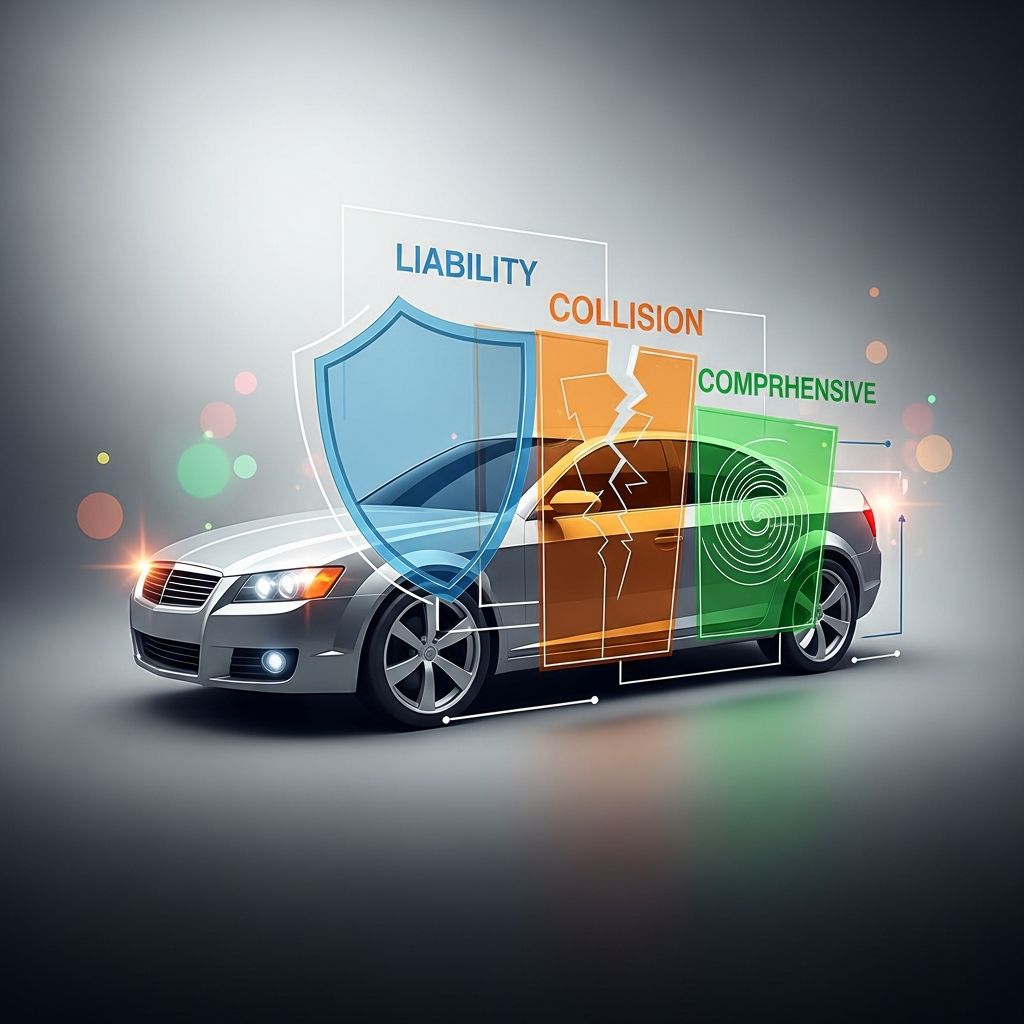
Liability coverage is the cornerstone of car insurance in nearly all states, mandated to cover damages or injuries you cause to others. It splits into two main parts: bodily injury liability, which handles medical costs, lost wages, and legal fees for injured parties, and property damage liability, which pays for repairs to vehicles or structures you impact. For instance, if you rear-end another car, this coverage steps in up to your policy limits, preventing personal bankruptcy from lawsuits.
- Bodily Injury Liability: Covers hospital bills, rehabilitation, and pain/suffering claims.
- Property Damage Liability: Repairs or replaces damaged property like fences, mailboxes, or other autos.
Minimum limits are set by state law, often expressed as 25/50/25 (e.g., $25,000 per person/$50,000 per accident for injury/$25,000 for property), but higher amounts are advisable for greater peace of mind.
Uninsured and Underinsured Motorist Coverage
This safeguards you when the at-fault driver lacks sufficient insurance. Uninsured motorist (UM) handles cases with no coverage at all, while underinsured motorist (UIM) covers shortfalls in the other party’s policy. It typically includes bodily injury and property damage components, reimbursing medical bills or vehicle repairs. In high-traffic areas with variable driver compliance, this is invaluable.
Vehicle-Specific Protections
Beyond liability, coverages focusing on your own car provide comprehensive defense against collisions and non-collision events. These are often required by lenders for financed or leased vehicles.
Collision Coverage Details
Collision insurance repairs or replaces your vehicle after a crash with another car or object, regardless of fault. After meeting your deductible—the out-of-pocket amount—you’re covered up to the car’s actual cash value (ACV). This is essential for newer vehicles where repair costs can exceed thousands.
| Scenario | What Collision Covers | Typical Deductible Range |
|---|---|---|
| Hit by another driver | Your car’s repairs | $500-$2,000 |
| Ran into a pole | Full replacement if totaled | Same |
| Side-swipe accident | Panel damage fixes | Same |
Comprehensive Coverage Essentials
Unlike collision, comprehensive addresses non-crash damages such as theft, vandalism, fire, hail, flooding, or animal strikes. It pays the ACV minus your deductible, making it crucial in areas prone to weather extremes or crime. For example, if a deer damages your hood or hail dents the roof, this coverage activates.
Medical and Personal Injury Coverages
These first-party benefits focus on your health and recovery costs, independent of fault. Availability and requirements differ by state—no-fault states like Michigan mandate robust options.
Personal Injury Protection (PIP)
PIP, or no-fault insurance, covers medical expenses, a portion of lost wages, childcare, and household services for you and passengers after an accident. It’s required in about a dozen states and helps bypass lengthy fault determinations. Benefits can extend to funeral costs in severe cases.
Medical Payments (MedPay)
MedPay offers a simpler alternative or supplement, paying fixed amounts for medical and funeral bills regardless of fault. It’s popular in states without PIP mandates, covering policyholders, family, and passengers.
State Variations and Mandatory Requirements
Insurance rules aren’t uniform across the U.S. Most states demand liability, but others like Michigan require PIP and property protection insurance (PPI) at $1 million minimum for in-state damages. New Hampshire is the lone exception without compulsory coverage, relying on financial responsibility laws. Always verify your state’s minimums via official DMV resources.
- Full tort states: Sue for pain/suffering post-minimums.
- No-fault states: Limited lawsuits, emphasize PIP.
- Add-on mandates: UM/UIM in 20+ states.
Optional Add-Ons for Enhanced Protection
Customize your policy with extras for specific risks. These boost premiums but offer targeted relief.
Rental Reimbursement and Roadside Assistance
Rental coverage provides a temporary car during repairs from a covered claim, easing daily commutes. Roadside assistance handles towing, flats, batteries, or lockouts—priceless for breakdowns.
Gap and New Car Replacement
Gap insurance bridges the loan balance and ACV if your car is totaled early in financing. New car replacement covers a brand-new model if yours is damaged soon after purchase.
Other Valuable Options
- Mechanical Breakdown Insurance: Post-warranty repairs for engines, transmissions.
- Accidental Death: Lump-sum payout for fatalities in covered accidents.
- Rideshare Coverage: For Uber/Lyft drivers, extends standard policies.
How Deductibles and Limits Work
Deductibles lower premiums—higher means less payout from the insurer initially. Limits cap total reimbursement per incident. Balance these: e.g., $1,000 deductible saves money but requires savings for claims. ACV factors depreciation, so older cars yield smaller payouts.
Choosing the Right Policy for You
Assess your driving habits, vehicle value, location, and budget. Full coverage (liability + collision + comprehensive) suits financed cars; minimums suffice for paid-off beaters. Use online calculators and shop multiple quotes annually. Factors like credit, mileage, and garaging affect rates.
Frequently Asked Questions (FAQs)
What is the minimum car insurance I need?
Typically liability matching state minimums, like 25/50/25, but check your DMV for exact figures.
Does full coverage include everything?
No—’full coverage’ informally means liability plus collision/comprehensive, but extras like roadside are separate.
Who pays first in an accident?
The at-fault driver’s liability; if insufficient, your UM/UIM or collision kicks in.
Can I lower premiums without dropping coverage?
Yes, via higher deductibles, discounts for safe driving, bundling, or defensive courses.
Is insurance required for parked cars?
Usually yes, to meet registration; comprehensive protects against theft/vandalism.
References
References
- Six Types of Car Insurance Coverage — Allstate. 2026-01. https://www.allstate.com/resources/car-insurance/types-of-car-insurance-coverage
- 7 Types of Car Insurance Coverage to Know — Mercury Insurance. https://www.mercuryinsurance.com/resources/basics-101/types-of-car-insurance-coverage.html
- Types of Car Insurance Coverage in Michigan — Michigan Auto Law. https://www.michiganautolaw.com/buying-car-insurance/types-of-car-insurance/
- Types of Car Insurance Coverages — Progressive. https://www.progressive.com/answers/types-of-car-insurance/
- What Are the Different Types of Car Insurance Coverage? — Bankrate. https://www.bankrate.com/insurance/car/coverage-types/
- Auto Insurance Basics—Understanding Your Coverage — Insurance Information Institute (III). https://www.iii.org/article/auto-insurance-basics-understanding-your-coverage
- Types of Car Insurance Coverage — The Hartford (YouTube Transcript). https://www.youtube.com/watch?v=PEMjOijFLEk
Similar Articles








Read full bio of medha deb