Car Insurance Costs Surge Explained
Uncover the key drivers behind escalating auto insurance premiums and strategies for drivers to manage rising costs in 2026.

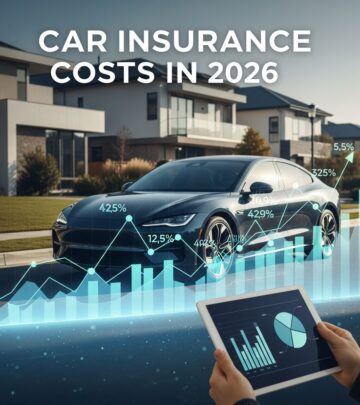
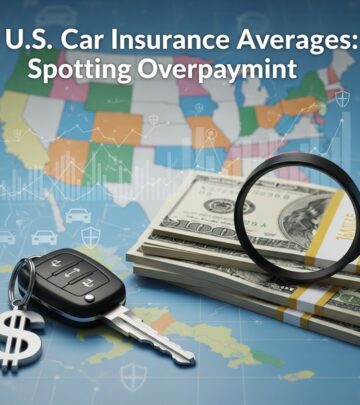
Car insurance premiums have reached record highs, with full coverage averaging $208 to $225 monthly across the U.S. in late 2025, translating to over $2,500 annually. This marks a sharp rise from previous years, driven by multiple economic and industry pressures, though 2026 projections indicate a slowdown in increases to around 1-4% nationally.
The Economic Forces Fueling Premium Hikes
Persistent
inflation
remains a primary culprit, eroding the dollar’s value and inflating costs across the board. Annual inflation rates fluctuating between 2% and 9% directly impact vehicle prices, parts, and labor, compelling insurers to adjust premiums upward even for policyholders with clean records.Supply chain disruptions lingering from the pandemic exacerbate the issue, causing delays in parts availability. These bottlenecks extend repair timelines, leading to higher expenses for rental cars and prolonged labor charges that insurers must cover.
Advanced Vehicle Technology and Repair Challenges
Modern vehicles packed with sophisticated electronics—like sensors, cameras, and advanced driver-assistance systems (ADAS)—have transformed minor accidents into costly repairs. Replacing these components demands specialized skills and equipment, significantly elevating claim payouts.
Electric vehicles (EVs) amplify this trend, as their batteries and unique parts command premium prices. For instance, incidents involving Tesla models, including vandalism spikes in 2025, have prompted insurers to hike rates for specific high-risk vehicles.
| Vehicle Type | Average Repair Cost Increase (2022-2025) | Key Factor |
|---|---|---|
| Standard Gasoline | 25-30% | Inflation on parts |
| Hybrids | 35-40% | Electronics integration |
| EVs | 50%+ | Battery and tech components |
This table illustrates how repair costs have ballooned, forcing insurers to recalibrate premiums to maintain solvency.
Rising Frequency and Severity of Claims
Post-pandemic driving patterns have led to more severe accidents. Empty roads during lockdowns encouraged speeding, resulting in deadlier crashes with elevated medical and property damage costs.
Population growth in urban areas heightens collision risks, while natural disasters and weather events strain resources, indirectly affecting auto policies through reinsurance costs.
Insurance Fraud and Litigation Pressures
**Fraudulent claims** represent a substantial drain, with staged accidents and exaggerated damages pushing up overall expenses. Insurers combat this through advanced detection but still pass costs to honest drivers.
In litigation-heavy states like Florida, lawsuit settlements and legal fees inflate premiums. High court verdicts for medical expenses and pain-and-suffering claims create a ripple effect nationwide.
2026 Rate Forecasts: A Potential Plateau
After double-digit surges in prior years, 2026 brings cautious optimism. ValuePenguin predicts a mere 1% national average increase—the smallest since 2022—following 17% jumps in 2024.
Over half of states may see declines, with Iowa leading at -6.19%, followed by Minnesota (-5.29%), and Arkansas (-4.70%). Conversely, New Jersey faces a 10.46% rise, Nevada 6.42%, and California 6.13%.
- Declining States: Iowa, Minnesota, Arkansas, Missouri, Illinois
- Increasing States: New Jersey, Nevada, California, New York, Washington D.C.
Among insurers, Allstate anticipates a 1.98% uptick, while State Farm may decrease by 4%. Midsize carriers like NJM could see sharper 21% hikes.
Regional and Insurer Variations
Premiums differ starkly by location and provider. Nevada tops at $335 monthly for full coverage, versus Vermont’s $128. Safe drivers in low-risk areas might encounter flat renewals, but high-risk profiles face steeper adjustments.
Disaster-prone regions like California and Florida continue battling elevated rates due to wildfires, hurricanes, and regulatory challenges.
Practical Steps to Combat Rising Premiums
Drivers aren’t powerless. Shopping around yields savings, as rates vary by insurer. Bundling auto with home policies often secures discounts up to 25%.
- Increase deductibles to lower premiums, if financially feasible.
- Enroll in telematics programs tracking safe driving for up to 30% off.
- Maintain a clean record and seek defensive driving courses for credits.
- Opt for usage-based insurance tailored to low-mileage drivers.
Improving credit scores, where permissible, and removing unnecessary coverages like comprehensive on older cars can further trim costs.
Future Outlook and Policy Shifts
Regulators scrutinize hikes, with delays of 6-12 months between cost spikes and premium adjustments. Potential tariffs on imports could renew upward pressure, but stabilizing supply chains offer relief.
Industry adoption of AI for fraud detection and predictive modeling may stabilize rates long-term. Drivers should monitor renewals closely, as personalized factors heavily influence final quotes.
Frequently Asked Questions (FAQs)
Will car insurance rates drop in 2026?
National averages project only 1-4% increases, with many states seeing decreases, signaling a slowdown after years of sharp rises.
Why are EV insurance costs higher?
EVs feature expensive batteries and tech, driving up repair bills and premiums for owners.
How does inflation affect my policy?
It raises parts, labor, and vehicle values, prompting annual adjustments even without claims.
What states have the highest premiums?
Nevada ($335/month), New Jersey, California lead, influenced by risk factors and regulations.
Can I lower my rates now?
Yes—compare quotes, bundle policies, use telematics, and raise deductibles strategically.
References
- Why Auto Insurance Costs Keep Climbing & What Drivers Can Do — Einsurance.com. 2026. https://www.einsurance.com/journal/why-auto-insurance-costs-keep-climbing/
- Auto insurance rate increases expected to slow sharply in 2026 — Dealershipguy.com. 2026-01-20. https://news.dealershipguy.com/p/auto-insurance-rate-increases-expected-to-slow-sharply-in-2026-01-20
- Why is car insurance so expensive, and will it go down in 2026? — Insurance.com. 2025. https://www.insurance.com/auto-insurance/why-is-car-insurance-so-expensive.html
- 2026 Insurance Rate Forecast: 7 Trends Every Driver, Homeowner… — Inszoneinsurance.com. 2025. https://inszoneinsurance.com/blog/insurance-rate-forecast
- Why car insurance costs have soared (and what drivers are doing about it) — WUSF.org. 2025-10-30. https://www.wusf.org/2025-10-30/why-car-insurance-costs-have-soared-and-what-drivers-are-doing-about-it
Similar Articles








Read full bio of Sneha Tete