Car Insurance Costs in 2026
Discover average car insurance rates in 2026, key factors driving costs, and strategies to lower your premiums effectively.
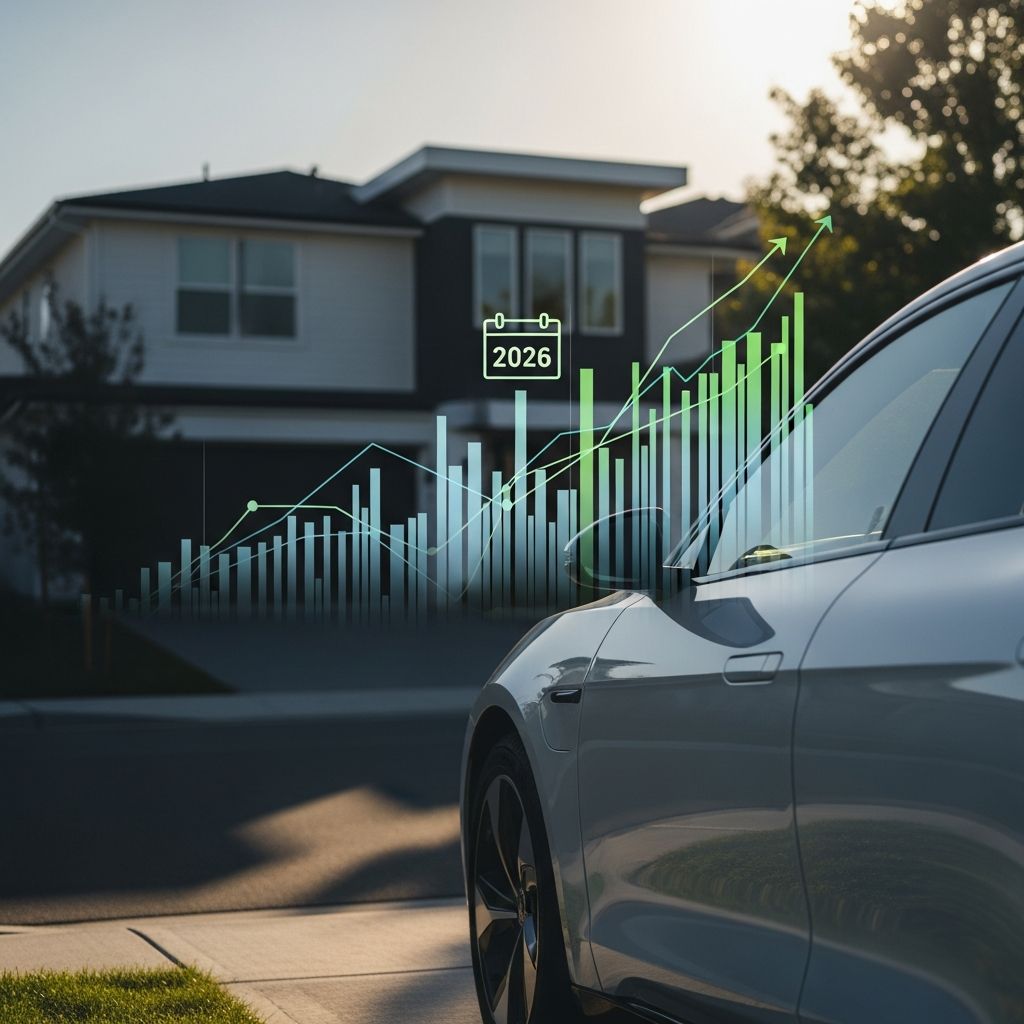
In 2026, the landscape of car insurance pricing reflects a mix of stabilization after years of sharp increases and targeted hikes for certain driver profiles. National averages for full coverage hover around $2,200 to $2,700 annually, while minimum coverage ranges from $700 to $1,000 per year, translating to monthly payments of about $165 to $225 and $60 to $85 respectively. These figures vary widely based on location, personal risk factors, and coverage selections, making it essential for drivers to understand the dynamics at play.
National Averages and Recent Trends
After a period of significant premium growth from 2022 to 2024, the U.S. auto insurance market saw a modest 6% decline in average full coverage costs in 2025, bringing rates to approximately $2,144 annually. Heading into 2026, experts project a slight 1% uptick to $2,158, signaling stabilization rather than dramatic shifts. Bankrate’s analysis pegs full coverage at $2,697 yearly or $225 monthly, with minimum coverage at $820 annually or $68 monthly, based on extensive quote data.
These averages mask substantial variations. For instance, minimum coverage premiums rose 14% from the first to second half of 2025, reaching $722 annually, while full coverage dipped 2% to $2,356. Such fluctuations underscore the importance of comparing quotes from multiple providers, as rate changes differ by carrier.
| Coverage Type | H1 2025 Average | H2 2025 Average | % Change |
|---|---|---|---|
| Full Coverage | $2,399 | $2,356 | -2% |
| Minimum Coverage | $635 | $722 | +14% |
This table illustrates the divergent paths of coverage types, with minimum policies facing steeper increases due to their association with higher-risk profiles.
Key Drivers Behind Rising Premiums
Several macroeconomic and industry-specific forces continue to influence car insurance costs in 2026. Inflation remains a primary culprit, pushing the average premium from $1,529 to $1,760 in recent years by elevating repair costs, vehicle prices, and healthcare expenses. Even as general inflation cools, auto-related costs like parts and labor have not reverted, leading to persistently higher claim payouts.
Supply chain issues and labor shortages have compounded insurers’ operational expenses, prompting rate adjustments. The return to pre-pandemic driving levels has spurred a surge in accidents and claims, reversing earlier drops in activity. Additionally, advanced vehicle technologies, while enhancing safety, drive up repair bills due to costly sensors and components.
Weather-related claims from severe storms have also contributed, increasing comprehensive coverage demands. For high-risk segments, these pressures manifest more acutely: DUI drivers saw 35% hikes, low-credit profiles 22%, and teen drivers 17% increases in 2025.
Personal Factors Influencing Your Rate
Beyond broad trends, individual characteristics heavily dictate premiums. Driving history tops the list: at-fault accidents raise rates by 12%, speeding tickets by 9%, and even not-at-fault incidents due to administrative costs. Comprehensive claims, often from uncontrollable events, add about $90 yearly.
- Age and Experience: Teens face premiums averaging $6,054 annually, 17% higher than prior periods, due to inexperience.
- Credit Score: Low credit correlates with 22% premium jumps to $4,126.
- Vehicle Type: High-value or tech-heavy cars incur steeper rates owing to repair expenses.
- Location: Urban areas with congestion or theft see elevated costs; Washington, D.C., topped 2025 lists at $4,017 yearly. States like Wyoming and Iowa enjoyed 20%+ drops.
Insurance history and coverage choices further personalize rates. Opting for higher deductibles or bundling policies can mitigate costs, but lapses in coverage often lead to surcharges.
Regional Variations Across States
Geography plays a pivotal role, with state regulations, accident rates, and theft statistics creating disparities. In 2025, 39 states saw decreases, but New Jersey bucked the trend with a 20% rise. Projections for 2026 anticipate increases in 35 states. High-cost areas like D.C. contrast with affordable ones like Iowa.
Drivers in theft-prone or high-traffic zones pay more, as do those in states mandating robust coverage. Shopping across carriers is crucial, as some lowered rates while others hiked them.
Strategies to Lower Your Premiums
Amid stabilizing rates, proactive steps can yield savings. Comparison shopping reveals variances; 39% of drivers seek alternatives feeling overcharged.
- Improve Driving Record: Avoid violations to prevent hikes.
- Boost Credit: Better scores correlate with lower premiums.
- Select Safe Vehicles: Models with top safety ratings qualify for discounts.
- Increase Deductible: Higher out-of-pocket reduces premiums.
- Bundle Policies: Combine auto with home for savings.
- Seek Discounts: For good students, safe drivers, or low mileage.
Providers like USAA, Auto-Owners, and Geico often offer competitive full coverage. Renewal jumps post-switch are common as introductory discounts end.
Understanding Coverage Types
Full coverage, including liability, collision, and comprehensive, suits financed vehicles but costs more. Minimum liability meets legal requirements but leaves gaps in protection. In 2026, balancing cost and security involves assessing personal risk tolerance.
| Profile | 2025 H2 Average | % Change from H1 |
|---|---|---|
| DUI | $4,461 | +35% |
| Low Credit | $4,126 | +22% |
| Teen Driver | $6,054 | +17% |
| At-Fault Accident | $3,156 | +12% |
This highlights risk-based pricing’s impact.
Frequently Asked Questions
Will car insurance rates drop in 2026?
Rates are stabilizing with a projected 1% national increase for full coverage, though high-risk drivers may see rises.
How much is full coverage car insurance monthly?
Averages range from $165 to $225, depending on factors like location and record.
Why did my premium increase at renewal?
New customer discounts often expire, plus broader factors like inflation.
Does vehicle type affect rates?
Yes, expensive-to-repair cars raise premiums.
Can I lower rates with poor credit?
Improving credit helps; shop carriers lenient on this factor.
Future Outlook for Auto Insurance
Looking ahead, expect continued risk-based pricing, with low-risk drivers benefiting from stability and high-risk facing pressures. Technological advances in telematics may offer personalized discounts based on actual habits. Regulatory changes could also influence state-level trends. Staying informed and annually reviewing policies remains key to managing costs effectively.
References
- Why is Car Insurance so Expensive in 2026? — The Zebra. 2026. https://www.thezebra.com/auto-insurance/how-to-shop/why-is-car-insurance-expensive/
- Auto Insurance Pricing Trends: What Drivers Should Know — AutoInsurance.com. 2025. https://www.autoinsurance.com/research/auto-insurance-pricing-trends/
- Average cost of car insurance in March 2026 — Bankrate. 2026-03-05. https://www.bankrate.com/insurance/car/average-cost-of-car-insurance/
- How Much Does Auto Insurance Cost in 2026? — Dimonda. 2026. https://dimonda.com/auto-insurance-cost-2026/
- After Falling 6% in 2025, Average Auto Insurance Cost Will Stabilize — Insurance Journal. 2026-02-03. https://www.insurancejournal.com/news/national/2026/02/03/856668.htm
Similar Articles








Read full bio of Sneha Tete