Car Insurance Canceled: Next Steps Guide
Discover immediate actions, consequences, and strategies to recover from car insurance cancellation and secure new coverage fast.
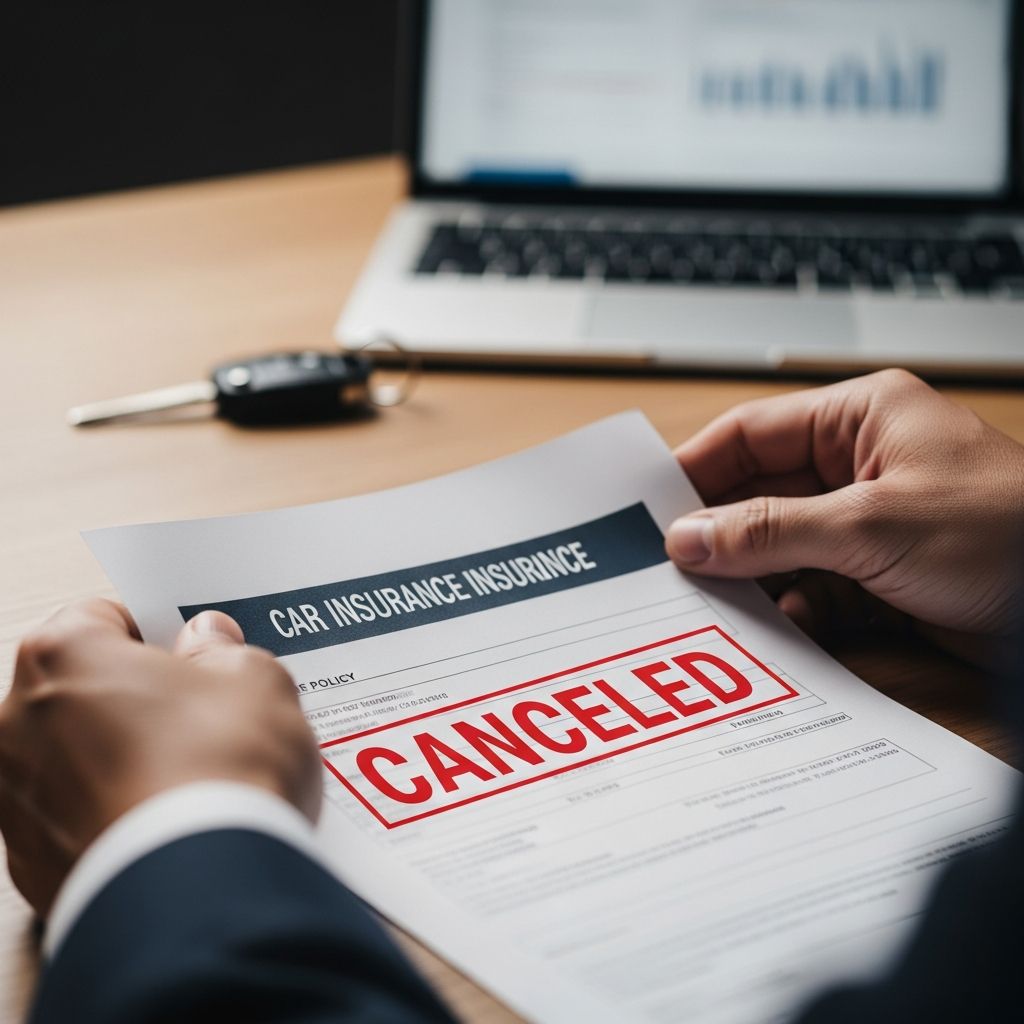
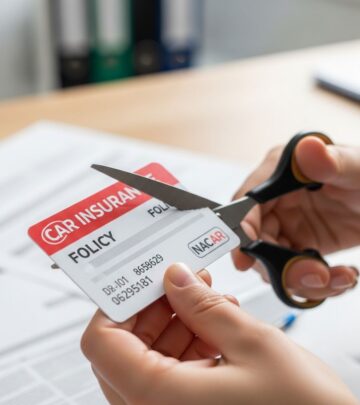
Receiving a notice that your car insurance has been canceled can trigger immediate stress, as it leaves you unable to legally drive and exposed to significant financial and legal risks. This comprehensive guide outlines the primary reasons for cancellation, the potential fallout, and a clear roadmap for resolution, drawing from established insurance practices across states.
Primary Causes Behind Car Insurance Cancellations
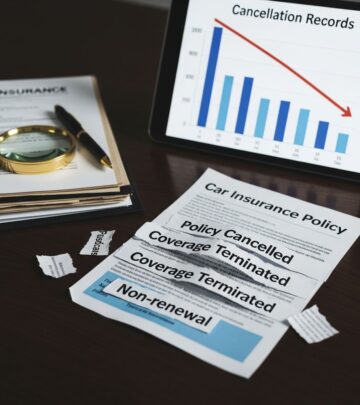
Insurance providers terminate policies for specific violations of contract terms, ensuring they mitigate risk. Understanding these triggers helps prevent future issues.
- Nonpayment of Premiums: The most frequent cause occurs when policyholders fail to pay premiums on time. Providers typically offer a grace period of 10 to 30 days, during which a notice is sent via mail, email, or phone, warning of impending cancellation if payment isn’t received.
- Fraud or Misrepresentation: Submitting inaccurate details about driving history, accidents, or vehicle condition constitutes fraud, prompting immediate policy voidance with potential legal repercussions.
- Multiple Claims or High-Risk Behavior: Filing excessive claims or engaging in activities deemed risky can lead to non-renewal at term end, though outright cancellation is rarer mid-term.
- Policy Violations: Other infractions like using the vehicle for disallowed purposes may also result in termination.
Immediate Consequences of a Lapsed Policy
A cancellation creates an instant coverage gap, rendering your vehicle undrivable legally in nearly all states except New Hampshire. The repercussions extend beyond the moment of lapse.
| Consequence | Description | State-Specific Example |
|---|---|---|
| Fines | Daily penalties for uninsured driving | New York: $8/day for first 30 days, escalating after |
| License/Registration Suspension | Automatic hold until proof of insurance provided | Most states notify DMV directly, leading to suspension |
| Higher Future Premiums | Risk classification increases rates by 8-24% based on lapse duration | 15-day lapse: ~8% hike; 45-day: ~24% |
| Vehicle Repossession | Lenders demand full coverage on financed cars | Common for loans/leases |
| Credit Impact | Unpaid balances sent to collections, affecting score for 7 years | Reported as debt |
Without insurance, any accident means personal liability for damages and injuries, potentially costing tens of thousands. Insurers report lapses to state databases, complicating future registrations.
Step-by-Step Action Plan After Cancellation
Act swiftly to minimize damage. Prioritize securing new coverage before driving.
- Contact Your Current Insurer Immediately: Inquire about reinstatement options. If within grace period, pay overdue amounts plus fees to restore coverage. Many allow short extensions for payment plans.
- Secure New Coverage: If reinstatement fails, shop high-risk insurers specializing in lapsed policies. Compare quotes online or via agents, emphasizing continuous coverage history where possible.
- Update DMV Records: Submit new proof of insurance to lift suspensions and pay any fines. Confirm license and registration status promptly.
- Address Outstanding Debts: Settle balances to avoid collections, which harm credit. Request detailed statements.
- Park the Vehicle: Do not drive until insured to evade tickets or SR-22 requirements, which prove financial responsibility post-violation.
Strategies to Lower Costs on Replacement Policies
Canceled policies flag you as high-risk, inflating quotes, but mitigation tactics exist.
- Seek non-standard carriers tolerant of lapses, though rates start higher.
- Bundle with home/renters insurance for discounts.
- Maintain a clean driving record post-lapse to qualify for better tiers over time.
- Opt for higher deductibles if affordable, reducing premiums.
- Explore state-assigned risk pools as a last resort for hard-to-insure drivers.
Lapse duration directly correlates with premium penalties; aim to replace coverage same-day if possible.
Preventing Future Cancellations: Proactive Measures
Avoid repeats by building safeguards into your routine.
- Automate Payments: Set up direct debits to eliminate missed deadlines.
- Review Policy Annually: Update details accurately and shop competitively without gaps.
- Monitor Notices: Respond to all communications promptly; track via apps if offered.
- Build Emergency Fund: Reserve for premiums during financial dips.
- Understand State Laws: Know minimum requirements and reporting rules.
Special Scenarios: Loans, Leases, and Multi-Vehicle Households
Financed vehicles heighten urgency, as lenders monitor coverage and can repossess. Notify them immediately with new policy details. For households, ensure other drivers remain covered, but primary policyholder lapses affect all. SR-22 filings may be mandated after at-fault incidents without insurance, lasting 3+ years and doubling rates.
Frequently Asked Questions
Can I drive during the grace period after cancellation notice?
No, coverage ends at notice-specified date. Grace applies pre-notice only.
How long does a lapse stay on my insurance record?
Typically 3-5 years, influencing underwriting decisions.
Will cancellation affect my job if driving is required?
Yes, suspended license disrupts employment; inform employer early.
Is there a fee to reinstate a canceled policy?
Often yes, plus back premiums; varies by insurer.
What if I cancel voluntarily mid-term?
Expect short-rate fees (10% of unearned premium) and lapse risks if no replacement.
Long-Term Financial Recovery Tips
Rebuild stability by improving credit, as insurers factor scores in most states. Track spending to afford premiums, and consider usage-based programs rewarding safe habits. Over time, loyalty and claims-free status erode the high-risk label.
Navigating cancellation demands quick, informed decisions to avert escalating penalties. By following this blueprint, drivers restore compliance efficiently.
References
- What to Know About Canceling Car Insurance — Baldwin. 2023. https://baldwin.com/insights/what-to-know-about-canceling-car-insurance/
- What Happens If Car Insurance Is Canceled? — Car and Driver. 2023-10-01. https://www.caranddriver.com/car-insurance/a31268868/what-happens-if-car-insurance-is-cancelled/
- What Happens If Car Insurance Is Canceled? — MAPFRE Insurance. 2024. https://www.mapfreinsurance.com/blog/car-insurance-canceled/
- What to Do if Car Insurance is Canceled for Nonpayment — ValuePenguin. 2024. https://www.valuepenguin.com/car-insurance-canceled-nonpayment
- When and How to Cancel Your Car Insurance Policy — Bankrate. 2024-02-15. https://www.bankrate.com/insurance/car/get-refund-cancel-car-insurance/
- Can your car insurance company drop you? — Progressive. 2024. https://www.progressive.com/answers/can-car-insurance-drop-you/
Similar Articles








Read full bio of medha deb