Car Insurance and Animal Collisions
Understand how your policy handles wildlife strikes, pet impacts, and related damages to protect your vehicle effectively.
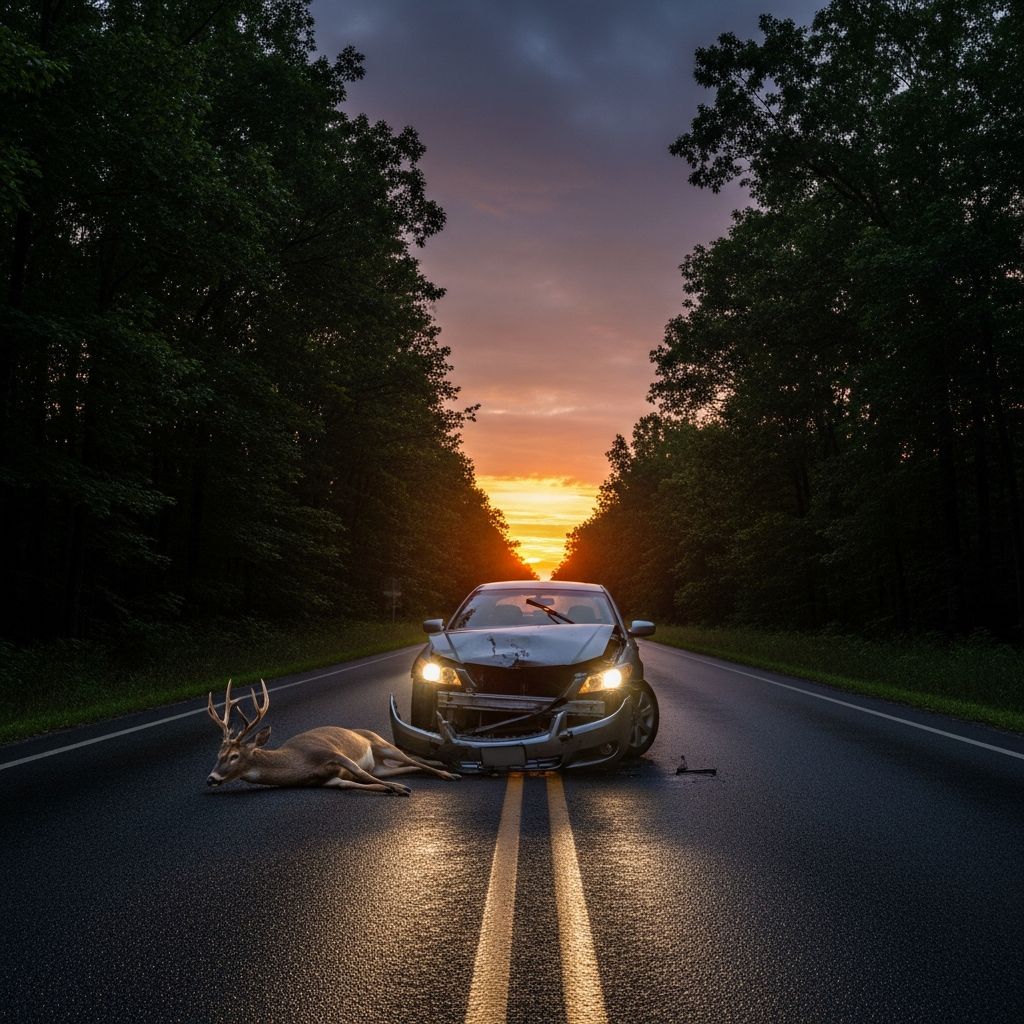
Vehicle collisions with animals represent a significant risk on roadways, particularly in rural and suburban areas where wildlife activity peaks. These incidents can cause extensive damage, averaging around $4,000 per claim according to industry data. Understanding how auto insurance responds to such events is crucial for financial protection. This guide examines coverage types, claim procedures, regional factors, and strategies to minimize risks.
Understanding Coverage Types for Animal-Related Incidents
Auto insurance policies include several components, but not all address damage from striking animals. Liability coverage, required in nearly all states, protects against harm to others but excludes your vehicle’s repairs from animal strikes. Collision coverage applies to crashes with objects or vehicles, useful if swerving to avoid an animal leads to impact with a fixed structure.
The primary safeguard is
comprehensive coverage
, an optional add-on that handles non-collision events like hitting deer, dogs, or livestock. It covers repairs or actual cash value (ACV) for totaled vehicles after subtracting your deductible, typically $500-$1,000. Without it, drivers bear full repair costs out-of-pocket.| Coverage Type | Covers Animal Strike? | Key Details |
|---|---|---|
| Liability | No | Pays for others’ damages/injuries; state minimums vary ($10K-$50K). |
| Collision | Only if swerve causes crash | Your vehicle repairs after hitting objects/vehicles; deductible applies. |
| Comprehensive | Yes | Direct animal impacts, theft, weather; most relevant for wildlife. |
When Comprehensive Coverage Applies to Wildlife Strikes
Direct contact with wild animals like deer, elk, or moose falls under comprehensive claims. The Federal Highway Administration estimates 1-2 million such U.S. accidents annually, with deer involved in most. Insurers treat these as no-fault events, meaning rates often remain stable post-claim, unlike at-fault collisions.
For example, a $4,000 repair bill with a $500 deductible results in $3,500 reimbursement if approved. Totaled vehicles receive ACV payout minus deductible. Coverage extends to rodents gnawing wires or birds causing dents, broadening its utility.
Handling Collisions with Pets and Domestic Animals
Hitting a dog or cat differs slightly due to ownership. Comprehensive still covers your vehicle damage. However, the pet’s veterinary costs typically fall on the owner, as pets are legally property in most states. If the animal was unrestrained, the owner may owe via homeowners insurance.
Drivers risk liability only if grossly negligent, like speeding or intentional acts. Liability might then cover pet bills, though policies vary. Livestock strikes follow similar rules; farmers’ policies often respond if negligence is absent.
Exclusions and Situations Without Coverage
Not every animal encounter qualifies. Intentional strikes void claims universally. Negligence, such as leaving windows open inviting interior damage, may lead to denial. Basic liability-only policies exclude self-damage entirely.
Swerving without animal contact shifts to collision coverage. Geographic factors matter: high-deer areas like the Midwest see more claims, prompting insurers to recommend comprehensive.
- Common Exclusions: Intentional acts, negligence enabling access, no comprehensive on policy.
- High-Risk Scenarios: Night driving, dawn/dusk hours, rural roads near woods.
Step-by-Step Guide to Filing an Animal Collision Claim
Immediate actions improve outcomes. First, ensure safety: move vehicle if possible, activate hazards. Do not approach injured wild animals; contact authorities for domestics.
- Document scene: Photos of damage, animal, location, skid marks.
- Call police/non-emergency for report, especially if injuries or blocking traffic.
- Contact insurer promptly; provide details without admitting fault.
- Get repair estimates; choose approved shops for streamlined processing.
- Pay deductible; track reimbursement.
Claims process mirrors other comprehensive events, with approval based on police reports and photos. Pet owners may subrogate against their insurer later.
Average Costs and Financial Implications
State Farm data pegs average payouts at $4,000, covering hoods, windshields, radiators. Deductibles significantly reduce net cost. Rate impacts are minimal for wildlife claims, but multiple incidents could flag risk.
Without coverage, repairs escalate: $2,000-$10,000+ for severe deer strikes. Lenders often mandate comprehensive, making it non-optional for financed vehicles.
Regional Variations and High-Risk Areas
Incidence varies: Midwest and Northeast report highest deer collisions (e.g., Michigan, Pennsylvania). Western states face elk/moose risks. State laws influence liability for pets/livestock; some hold drivers strictly liable for domestics on roads.
Insurers adjust premiums in hotspots, but comprehensive remains affordable—often $100-200/year extra.
Prevention Strategies to Avoid Animal Collisions
Proactive measures cut risks. Drive cautiously at dawn/dusk, use high beams on empty roads, honk to scare wildlife. Install deer whistles or fences in prone areas (effectiveness debated).
- Slow in wildlife zones; scan roadsides.
- Avoid swerving—brake firmly.
- Equip LED headlights for better visibility.
Choosing the Right Policy for Animal Risks
Assess needs: Rural drivers prioritize comprehensive; urban may suffice without. Bundle with collision for full protection. Compare deductibles balancing premiums vs. out-of-pocket.
Review annually, especially in high-risk zones. Tools like insurer quotes help tailor coverage.
Frequently Asked Questions (FAQs)
Does basic auto insurance cover hitting a deer?
No, liability alone does not. Comprehensive is required for direct strikes.
What if I swerve to avoid an animal and crash?
Collision coverage applies to the crash damage, not the avoided strike.
Am I responsible for a pet’s vet bills after hitting it?
Usually the owner’s duty unless you’re at fault. Liability may cover if negligent.
Will filing an animal claim raise my rates?
Often not, as it’s no-fault comprehensive.
Is comprehensive coverage worth adding?
Yes, for areas with wildlife; covers theft, weather too.
References
- Does Insurance Cover Damages from Hitting an Animal with Your Car? — Insure on the Spot. 2023. https://www.insureonthespot.com/insurance-cover-damages-hitting-animal-car/
- Does Car Insurance Cover Animal Damage? — Lemonade. 2024. https://www.lemonade.com/car/explained/does-car-insurance-cover-animal-damage/
- Does Car Insurance Cover Hitting a Dog? — Progressive. 2024. https://www.progressive.com/answers/does-car-insurance-cover-hitting-a-dog/
- Does Car Insurance Cover Hitting a Deer or Large Animal? — Because You Want to Win. 2023. https://www.becauseyouwanttowin.com/car-insurance-and-large-animal-collisions/
- Does Your Car Insurance Cover Animal Damage? — Wawanesa U.S. 2024. https://www.wawanesa.com/us/blog/does-your-car-insurance-cover-animal-damage
- Hitting an Animal with Your Car — Morris Bart. 2024. https://www.morrisbart.com/faqs/who-is-at-fault-when-hitting-an-animal-with-your-car/
- Is Animal Damage to Your Car Covered by Insurance? — AAA. 2024. https://mwg.aaa.com/insurance/car/articles/animal-damage-to-car
Similar Articles








Read full bio of Sneha Tete