Car Detailing Guide: Pro Tips For Showroom Results
Unlock professional car detailing techniques to restore and protect your vehicle's interior and exterior for lasting shine and value.
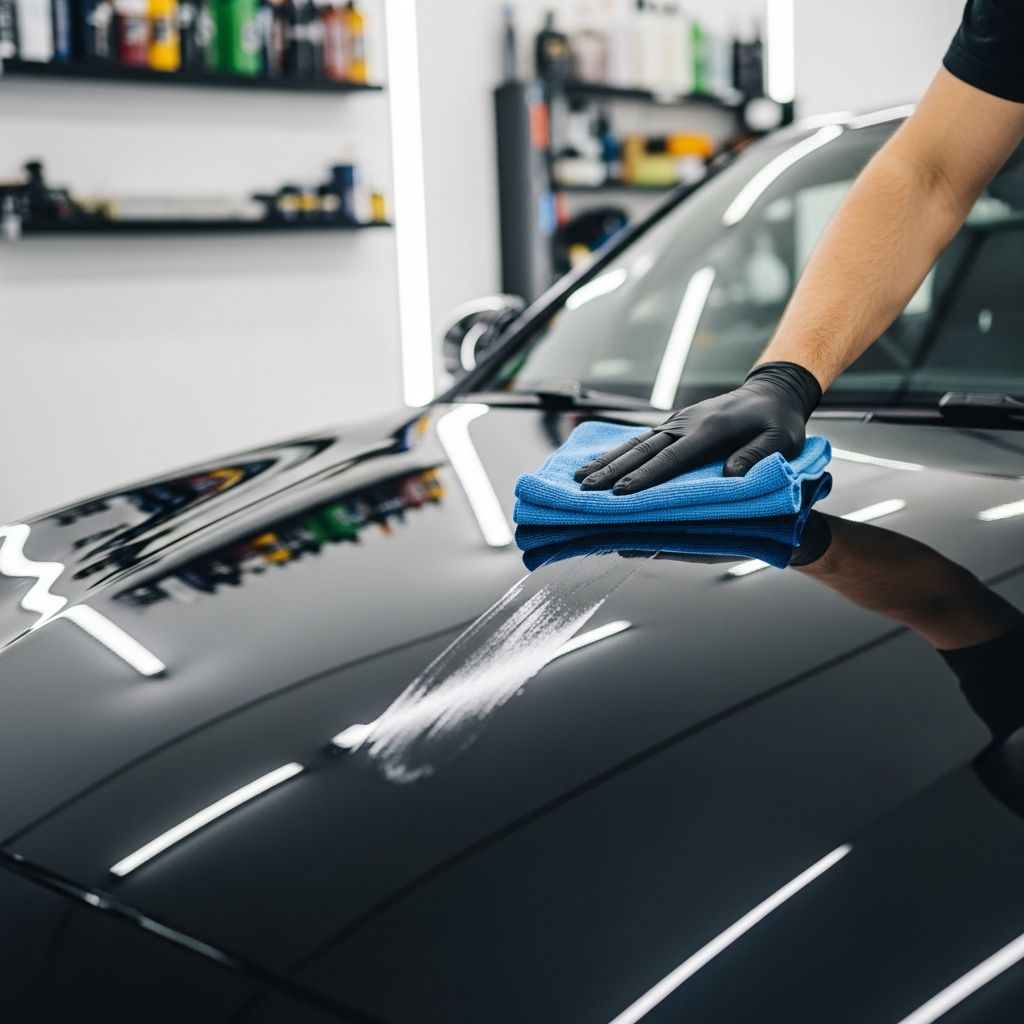
Car detailing elevates basic vehicle cleaning to a meticulous restoration process that rejuvenates both interior comfort and exterior aesthetics. This practice safeguards against wear, boosts resale value, and delivers a pristine finish comparable to new.
Understanding the Essentials of Vehicle Detailing
Detailing surpasses routine washing by addressing every surface with targeted treatments. It encompasses decontamination, correction, and protection to combat environmental damage like UV rays, road grime, and contaminants. Professionals segment it into interior and exterior phases, each demanding specific tools and products for optimal outcomes.
Investing time in detailing preserves paint integrity, prevents corrosion, and maintains cabin hygiene. Regular sessions—every 3-6 months—extend vehicle lifespan and enhance driving enjoyment.
Tools and Supplies for Effective Detailing
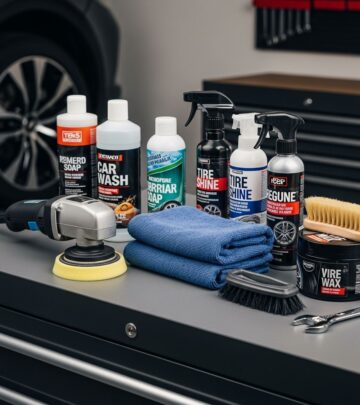
Success hinges on quality equipment. Essential categories include:
- Washing gear: Two-bucket system, microfiber mitts, grit guards, and pH-neutral shampoos to avoid scratches.
- Decontamination tools: Clay bars or synthetic mitts, iron removers for embedded particles.
- Polishing apparatus: Dual-action polishers, foam pads, compounding liquids for swirl removal.
- Interior cleaners: Vacuums with crevice tools, steamers, brushes, conditioners for leather and vinyl.
- Protection products: Waxes, sealants, ceramic coatings for durable hydrophobic barriers.
Premium microfiber towels prevent lint and marring. Always match products to surfaces—leather needs conditioners, fabrics require protectants.
Mastering Exterior Detailing Techniques
Exterior work focuses on paint revival and defense. Begin in shade to evade water spots from sun-heated panels.
Initial Preparation and Safe Washing
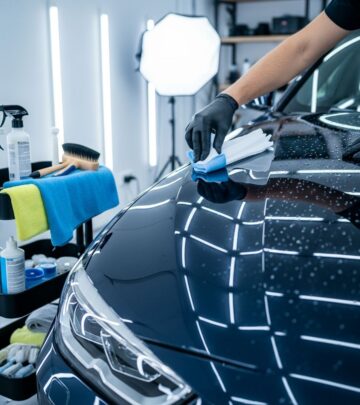
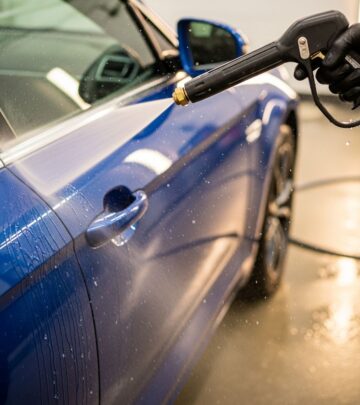
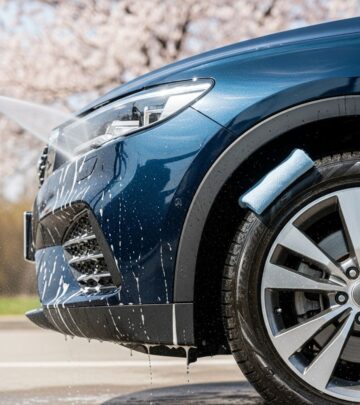
Start with a pre-rinse using a foam cannon or hose to dislodge loose debris. Employ the two-bucket method: one with shampoo solution, another with rinse water. This minimizes contamination transfer, reducing swirl risks.
Scrub top-down, wheels last to avoid brake dust spread. Rinse thoroughly, then dry with blower or microfiber for spotless results.
Decontamination and Paint Correction
Clay bar glides over lubricated paint to lift tar, sap, and industrial fallout. Follow with iron remover for brake dust on wheels.
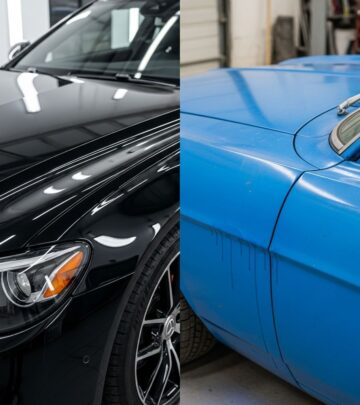
Assess paint: light swirls need polish; deep scratches demand compound. Use a dual-action polisher in sections—apply minimal pressure, multiple passes. Finishing polish refines clarity.
| Paint Condition | Recommended Step | Product Type |
|---|---|---|
| Good (minor defects) | Polish only | One-step polish |
| Moderate (swirls) | Compound then polish | Cutting compound + finishing polish |
| Poor (oxidation) | Heavy cut + refine + protect | Heavy compound + polish + sealant |
Final Protection Layers
Seal with wax for short-term gloss or ceramic coating for multi-year hydrophobicity. Apply thin, buff to haze, then wipe off. Tires get dressings for even sheen; trim revived with restorers.
Comprehensive Interior Detailing Strategies
Interior restoration prioritizes hygiene and luxury feel. Work top-to-bottom, front-to-back to contain dirt.
Debris Removal and Vacuuming
Blast crevices with compressed air. Vacuum mats, seats, headliners using attachments for upholstery and cracks. Steam clean for stubborn grime.
Surface Cleaning and Conditioning
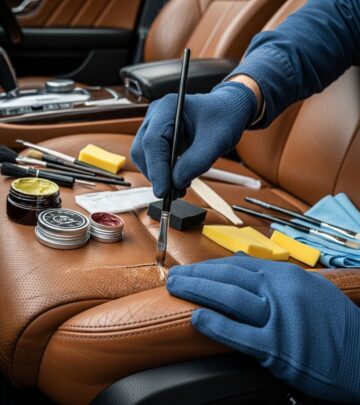
Wipe dashboards, doors with all-purpose cleaners. Shampoo fabrics/upholstery with extractors. Leather demands pH-balanced cleaners followed by conditioners to prevent cracking.
Sanitize vents, screens, steering wheel with antimicrobial wipes. Glass interiors polished streak-free.
| Surface Type | Cleaning Method | Follow-Up Treatment |
|---|---|---|
| Fabric/Carpets | Shampoo + extraction | Fabric guard spray |
| Leather | Mild cleaner + brush | Conditioner (UV protectant) |
| Plastics/Vinyl | APC wipe-down | Dressing for UV shield |
| Glass | Ammonia-free cleaner | Anti-fog polish |
Odor Neutralization
Ozone generators or enzyme treatments tackle smells from spills or pets. Ventilate post-process.
DIY vs Professional Detailing: Key Considerations
DIY suits maintenance washes and light cleans, saving costs with $100-300 in supplies. Professionals excel in corrections, using high-end tools for flawless results—ideal for neglected vehicles.
Frequency: Bi-annual DIY for daily drivers; quarterly pro for luxury cars. Cost: DIY $50/session; pro $200-1000.
Common Mistakes and Prevention Tips
Avoid direct sun washing (spots), household cleaners (damage), or dry wiping (scratches). Circular motions swirl paint—use straight lines. Over-waxing traps dirt.
- Park in garage for all steps.
- Test products on inconspicuous areas.
- Layer protections sparingly.
Frequently Asked Questions
What is the difference between car washing and detailing?
Washing removes surface dirt; detailing restores, corrects, and protects all surfaces deeply.
How often should I detail my car?
Every 3-6 months for exteriors; interiors quarterly or post-mess.
Can I detail my car at home?
Yes, with proper tools—follow flowcharts for sequencing.
Is ceramic coating worth it?
Yes, offers 2-5 years of superior protection vs. wax’s months.
How long does a full detail take?
DIY: 4-8 hours; pro: 1-2 days depending on condition.
Advanced Tips for Showroom Perfection
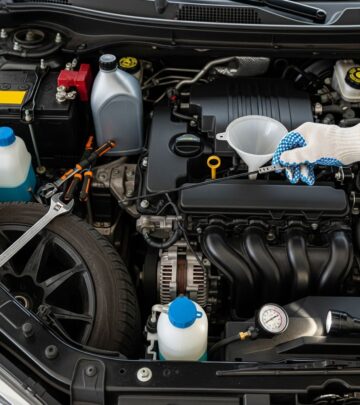
Engine bay degreasing enhances underhood appeal. Headlight restoration with wet sanding/polish revives visibility. Wheel-specific cleaners dissolve caliper buildup.
For enthusiasts, paint thickness gauges guide safe correction. Quick detailers maintain between full sessions.
Detailing transforms vehicles into head-turners while fortifying against elements. Consistent application yields compounding benefits in aesthetics and durability.
References
- Car Detailing Steps Breakdown: Complete Guide — Keep Clean ATX LLC. 2023. https://www.keepcleanatxllc.com/post/car-detailing-steps-breakdown
- Step-by-Step Flow Chart for Detailing Your Car — Chemical Guys. 2023. https://www.chemicalguys.com/blogs/exterior-how-tos/detailing-flow-chart
- The Ultimate Guide to Car Detailing: Everything You Need to Know — Hogwash Car Wash. 2023. https://www.hogwashcarwash.com/post/the-ultimate-guide-to-car-detailing-everything-you-need-to-know
- The Ultimate Guide to DIY Car Detailing — Ceramic Pro. 2023. https://ceramicpro.com/the-ultimate-guide-to-diy-car-detailing/
- Car Interior Detailing Procedure: Professional Step-by-Step Guide — Detail King. 2023. https://blog.detailking.com/interior-detailing-guide/
- The Beginners Guide to Car Detailing (Like a Pro) — Turtle Wax. 2023. https://www.turtlewax.com/blogs/how-to/the-beginners-guide-to-car-detailing-like-a-pro
Similar Articles








Read full bio of medha deb