Car Crash by Another Driver: Your Rights
Discover what happens when someone else damages your car, how insurance responds, and steps to protect your finances effectively.
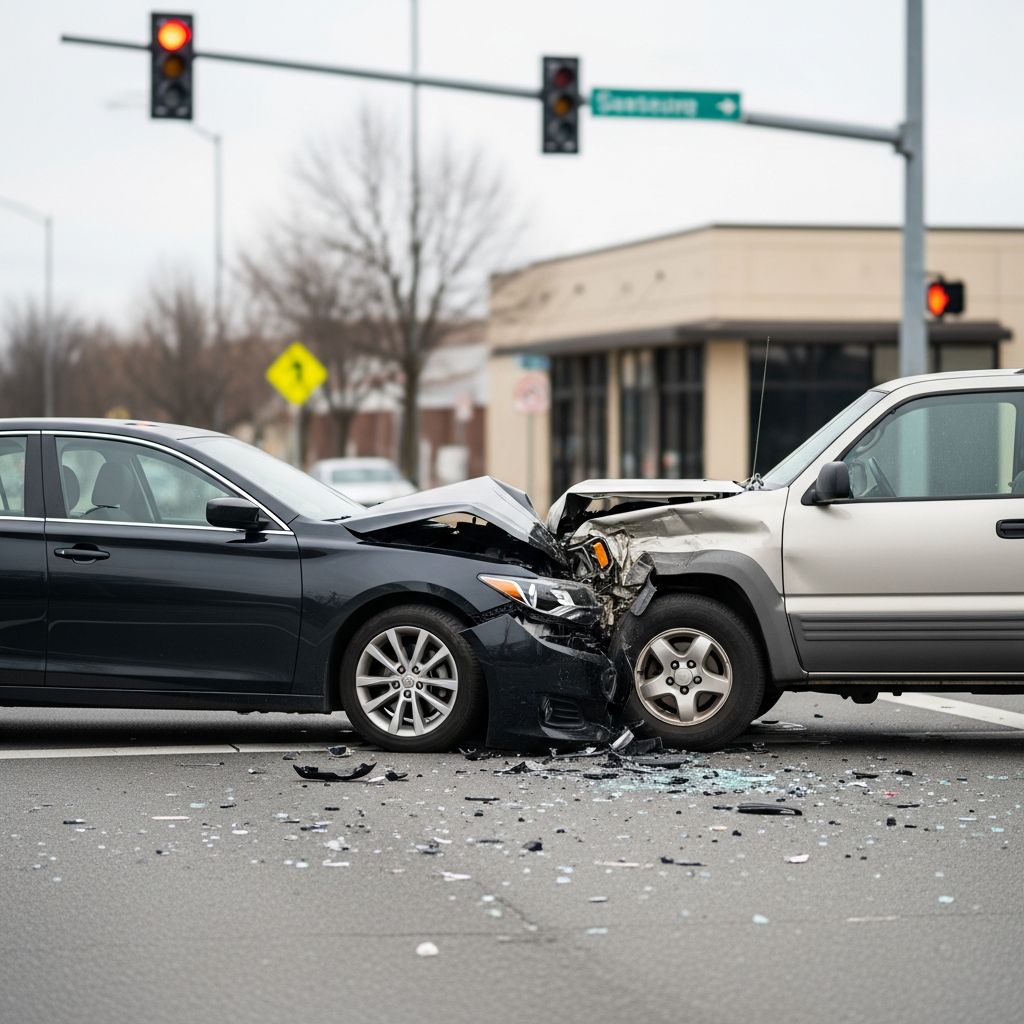
When someone else causes a collision with your vehicle, navigating the aftermath requires clear knowledge of insurance dynamics and legal protections. This guide outlines key responsibilities, coverage mechanisms, and practical actions to secure compensation efficiently.
Immediate Response After the Incident
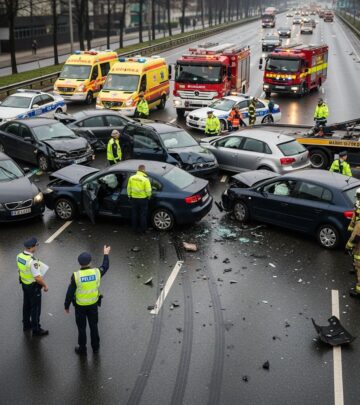
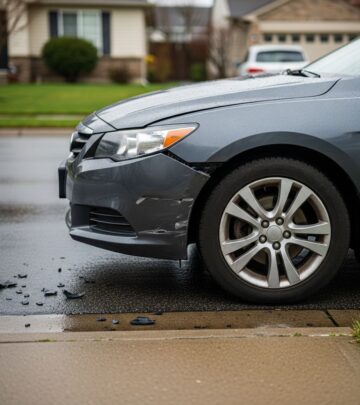
Prioritize safety by moving to a secure location if possible and checking for injuries. Contact emergency services for medical attention, even if injuries seem minor, as symptoms can emerge later. Document the scene thoroughly: take photos of vehicle positions, damage, road conditions, and visible injuries. Exchange details with the other driver, including name, contact information, insurance provider, and policy number. Notify law enforcement to file an official report, which serves as critical evidence for claims.
- Assess personal and passenger safety first.
- Capture evidence via photos and notes on weather, time, and surroundings.
- Avoid admitting fault or discussing insurance details beyond basics.
Texas law mandates liability coverage at minimum 30/60/25 levels: $30,000 per injured person, $60,000 per accident for bodily injury, and $25,000 for property damage. These limits define maximum payouts from the at-fault driver’s policy.
Core Insurance Principles in At-Fault Systems
Most U.S. states, including Texas and Illinois, operate under at-fault (tort) systems where the responsible party compensates victims. If another driver is liable, their policy activates to address your losses. Liability splits into bodily injury (covering medical costs, lost income, pain) and property damage (vehicle repairs, rentals).
| Coverage Type | What It Pays For | Typical State Minimums (e.g., Texas) |
|---|---|---|
| Bodily Injury Liability | Medical bills, wages, legal fees, suffering | $30K/person, $60K/accident |
| Property Damage Liability | Repairs, replacement, rentals | $25K/accident |
Your own liability policy remains inactive unless you’re at fault. It protects others but not your vehicle or injuries in this scenario.
Filing a Claim Against the Other Driver
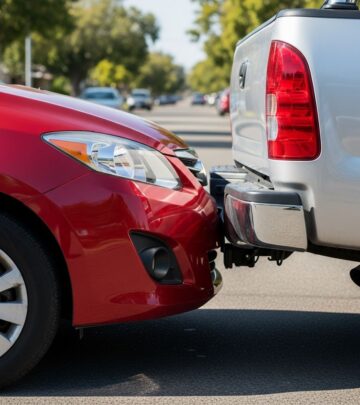
Report the incident to your insurer promptly, even if not at fault, to initiate subrogation—where they pursue reimbursement from the at-fault party. Provide the police report, photos, witness contacts, and repair estimates. The at-fault insurer investigates fault determination, often using evidence like dashcam footage or statements.
- Contact your agent within 24-48 hours.
- Submit all gathered documentation.
- Cooperate with adjusters without signing premature settlements.
If limits are exhausted, you may pursue the driver personally or via underinsured coverage if you carry it. Delays can complicate payouts, so act swiftly.
Protecting Yourself with Additional Coverages
Standard liability from the other driver may fall short for major damages. Consider these enhancements:
- Collision Coverage: Pays for your car repairs regardless of fault, minus deductible. Ideal for financed vehicles.
- Comprehensive: Handles non-collision events like theft or weather, complementing liability claims.
- Uninsured/Underinsured Motorist (UM/UIM): Covers gaps if the other policy is inadequate or absent.
- Rental Reimbursement: Funds temporary transport during repairs.
Examples of limits include 25/50/10 or higher like 100/300/50, where numbers represent per person, per accident bodily injury, and property damage.
State Variations and Minimum Requirements
Requirements differ: Texas enforces 30/60/25, Illinois 25/50/20. No-fault states like Michigan shift initial costs to personal policies, but most follow tort rules. Verify your state’s Department of Insurance site for exact mandates. Higher limits reduce personal risk, as minimums often underpay severe accidents.
Potential Challenges in Claims
Disputes arise over fault, with adjusters possibly lowballing offers. Common issues:
- Policy limits too low for total losses.
- Delayed payments prompting rental fees.
- Contested liability from ambiguous evidence.
Consult an attorney if injuries exceed $10K or disputes persist. They negotiate on contingency, taking a percentage of settlements. Track all expenses: medical receipts, wage statements, therapy costs for full reimbursement.
Financial Impacts on Credit and Rates
Not-at-fault accidents typically don’t raise your premiums, but claims can flag your record. Subrogation minimizes your insurer’s loss, stabilizing rates. Maintain good credit, as insurers factor it into pricing. Shop policies annually for competitive rates post-incident.
Steps for Vehicle Repair and Recovery
Choose certified shops for quality work. Get multiple estimates to counter low offers. If totaled, expect actual cash value payout based on market data, not replacement cost. Retain your vehicle until approved to avoid claim denials.
FAQs
Does my insurance pay if I’m not at fault?
No, the at-fault driver’s liability covers you. Use collision for faster repairs.
What if the other driver is uninsured?
UM coverage steps in if you have it; otherwise, pursue legally.
Can I drive a damaged car?
Only if safe; get inspector approval to avoid liability.
How long for claim payout?
30-60 days typically, faster with solid evidence.
Do passengers claim separately?
Yes, against the at-fault policy for injuries.
Proactive Measures for Future Protection
Opt for higher limits, dashcams, and roadside assistance. Review policies yearly, especially after life changes like adding drivers. Bundling home/auto saves costs while boosting coverage.
In summary, understanding liability ensures swift recovery. Stay informed, document meticulously, and enhance protections for peace of mind on the road.
References
- Automobile Accident Insurance Coverage — Texas Law Help. Accessed 2026. https://texaslawhelp.org/article/automobile-accident-insurance-coverage
- Texas minimum liability insurance accident coverage explained — Univista Insurance. Accessed 2026. https://www.univistainsurance.com/blog/texas-minimum-liability-insurance-accident-coverage-explained/
- Liability Car Insurance: Get a Quote — Mercury Insurance. Accessed 2026. https://www.mercuryinsurance.com/insurance/auto/coverage/liability-protection.html
- Liability car insurance: Stay covered — Allstate. Accessed 2026. https://www.allstate.com/resources/car-insurance/liability-car-insurance-cover
- What Does Liability Insurance Cover if You’re Not at Fault? — Dave Abels. Accessed 2026. https://www.daveabels.com/blog/what-does-liability-insurance-cover-if-youre-not-at-fault/
- What is auto liability insurance coverage? — Nationwide. Accessed 2026. https://www.nationwide.com/lc/resources/auto-insurance/articles/liability-coverage-definition
Similar Articles








Read full bio of Sneha Tete