Car as Collateral for Personal Loans
Explore how pledging your vehicle can unlock better loan terms, but weigh the risks of repossession carefully.

Using a vehicle as security for a personal loan can make borrowing more accessible, especially for those with weaker credit profiles, by offering lenders reduced risk through asset backing.
Understanding Secured Borrowing with Vehicles
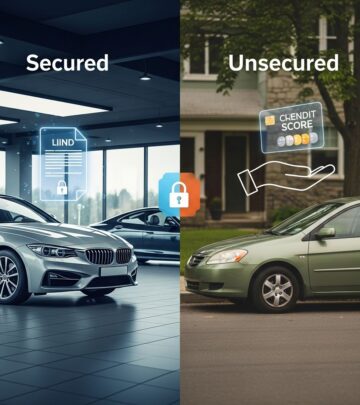
Secured loans differ from unsecured ones by requiring an asset, such as a car, to guarantee repayment. This setup allows lenders to reclaim the asset if payments falter, which often translates to more lenient approval criteria and reduced interest costs compared to no-collateral options. For personal loans, vehicles serve as this guarantee when borrowers hold sufficient ownership or equity in them.
Lenders evaluate the car’s market value, typically via tools like Kelley Blue Book, to set loan limits. A clear title—free of prior liens—is essential, meaning the vehicle must be fully paid off or have substantial equity exceeding the remaining auto loan balance. This process ensures the lender can recover funds by selling the car if needed.
Types of Vehicle-Backed Personal Financing
Several loan varieties allow cars to secure personal funds, each with unique features and eligibility rules.
- Secured Personal Loans: These function like standard personal loans but demand collateral. Lenders like certain credit unions or online platforms accept cars, often restricting to models under specific age or mileage thresholds, such as post-1992 builds with under 150,000 miles and clean titles. Approval hinges on vehicle condition and borrower income.
- Auto Equity Loans: Similar to home equity lines, these tap into a car’s value beyond any existing auto debt. If a vehicle appraises at $30,000 with $10,000 owed, up to 125% of the $20,000 equity might be borrowable. A lien is placed on the title until full repayment.
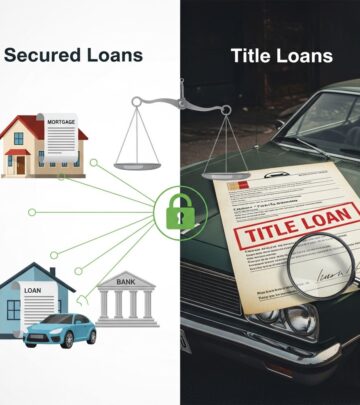
- Car Title Loans: Short-term, high-cost options where borrowers hand over the title for quick cash, usually 25-50% of the car’s worth. Repayment periods are brief, often 30 days, with APRs soaring to 300%, making them a last-resort choice prone to debt cycles.
| Loan Type | Equity Needed | Typical Amount | Term Length | APR Range |
|---|---|---|---|---|
| Secured Personal | Full ownership preferred | Up to vehicle value | 2-5 years | 6-20% |
| Auto Equity | Partial OK if equity high | 100-125% equity | Flexible | 7-25% |
| Title Loan | Title surrender | 25-50% value | 30 days | 100-300% |
Qualifying Your Vehicle for Loan Security
Not every car qualifies as collateral. Common lender stipulations include:
- Model year no older than 10-30 years.
- Mileage below 130,000-150,000 miles.
- No salvage, flood, or major damage history.
- Proof of comprehensive insurance.
- Registration and title in the borrower’s name.
During application, expect to submit VIN, photos, odometer reading, and ownership docs. Lenders may inspect the vehicle or use digital valuation tools. For equity-based options, payoff statements from current auto loans are required.
Advantages of Vehicle-Secured Personal Loans
Pledging a car offers tangible upsides:
- Improved Approval Odds: Collateral mitigates lender risk, aiding those with low scores or thin credit files.
- Lower Costs: Rates often beat unsecured loans by 5-10 points, as the asset covers potential losses.
- Higher Limits: Borrowing caps align with car value, enabling larger sums than unsecured alternatives.
- Flexible Use: Funds serve any purpose—debt consolidation, repairs, or emergencies—unlike auto loans tied to purchases.
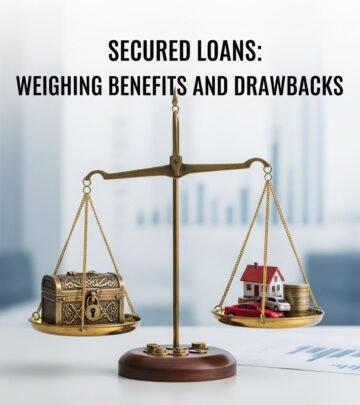
Critical Risks and Drawbacks
Despite benefits, significant hazards loom:
- Repossession Threat: Default triggers vehicle seizure, with sales proceeds offsetting the debt. This disrupts transport and daily life.
- Credit Damage: Repossessions scar reports for seven years, complicating future borrowing.
- Added Costs: Gap insurance, storage fees post-repossession, or deficiency balances (if sale doesn’t cover debt) pile on expenses.
- Limited Lender Options: Few institutions offer vehicle-secured personal loans, narrowing choices.
Consider a scenario: A $15,000 loan at 12% APR over 36 months yields $528 monthly payments. Missing them risks losing a $25,000 car, far outweighing the principal.
Application Process Step-by-Step
- Assess Eligibility: Check car value online and confirm title status via DMV.
- Shop Lenders: Compare rates from banks, credit unions, and online providers offering secured options.
- Gather Docs: Prepare ID, income proof, insurance, vehicle details, and title.
- Submit & Value: Apply; lender appraises car and extends offer.
- Sign & Lien: Accept terms; lender records lien on title.
- Receive Funds: Money disbursed, payments begin.
Alternatives to Risking Your Car
Before committing your vehicle, explore safer paths:
- Unsecured Personal Loans: No asset risk, though higher rates for poor credit.
- Credit Union Auto Refinance: Lower rates on existing car debt.
- Home Equity Options: If owning property, tap larger equity pools.
- Credit Card Balance Transfers: For debt consolidation at intro 0% rates.
- Peer-to-Peer Lending: Community-funded loans with varied criteria.
Building credit via on-time payments or secured cards can unlock better unsecured terms over time.
Financial Planning Tips Before Securing with Your Car
Only proceed with a robust repayment strategy:
- Calculate debt-to-income ratio; aim under 36% post-loan.
- Budget for maintenance, insurance hikes, and emergencies.
- Verify lender reputation via CFPB complaints.
- Negotiate terms; shop multiple quotes.
- Consult non-profits like NFCC for free advice.
Frequently Asked Questions
Can I use my car if it’s not paid off?
Yes, for auto equity loans if equity covers the new amount, but full ownership is standard for most secured personal loans.
How much can I borrow against my car?
Typically 100-125% of equity or up to appraised value, depending on lender and vehicle condition.
What happens if I sell the car mid-loan?
You must repay the loan first or get lender approval; the lien prevents title transfer.
Are title loans worth it?
Rarely, due to exorbitant rates; they’re predatory and lead to cycles of reborrowing.
Does repossession affect my credit forever?
No, it stays 7 years but impact fades; rebuild via secured credit.
References
- What Can Be Used As Collateral for Car Loans? — SoFi. 2023. https://www.sofi.com/learn/content/why-are-loans-secured-with-collateral/
- Can You Use Your Car as Collateral for a Personal Loan? — Experian. 2024-01-15. https://www.experian.com/blogs/ask-experian/can-you-use-car-as-collateral-for-personal-loan/
- Vehicle Equity – Personal Loans — Best Egg. 2024. https://www.bestegg.com/personal-loans/vehicle-equity/
- Can I Use My Car As Collateral For A Personal Loan? — Bankrate. 2024-02-20. https://www.bankrate.com/loans/personal-loans/using-car-as-collateral-for-personal-loan/
- Auto secured personal loans: how they work — Upstart. 2023. https://upstarthelp.upstart.com/auto-refinance-loans/auto-secured-personal-loans-how-they-work
- Car Title Loans: What You Need to Know — Navy Federal Credit Union. 2024. https://www.navyfederal.org/makingcents/auto/car-title-loans.html
Similar Articles








Read full bio of medha deb