Car Care Myths: 10 Common Misconceptions Exposed
Uncover the truth behind popular car maintenance myths to save time, money, and protect your vehicle effectively.
Vehicle owners often navigate a maze of advice on keeping their cars in top shape. While good intentions drive many tips, outdated or incorrect information can lead to unnecessary expenses or even damage. This article separates fact from fiction on common car care myths, drawing from reliable automotive expertise to guide you toward efficient, effective maintenance practices.
Understanding the Roots of Car Maintenance Misconceptions
Many car care myths originated decades ago when vehicles had simpler designs and shorter lifespans. Today’s cars feature advanced engineering, onboard diagnostics, and synthetic fluids that change traditional rules. For instance, older engines required frequent interventions, but modern ones rely on computer-controlled systems for self-adjustments.12 Ignoring these evolutions can result in over-maintenance, wasting money, or under-maintenance, risking breakdowns.
Manufacturer guidelines, found in your owner’s manual, provide the most accurate roadmap. These are tailored to your specific model, accounting for engineering specs and real-world testing. Deviating based on hearsay often leads to suboptimal care.
Myth 1: Change Oil Every 3,000 Miles Without Fail
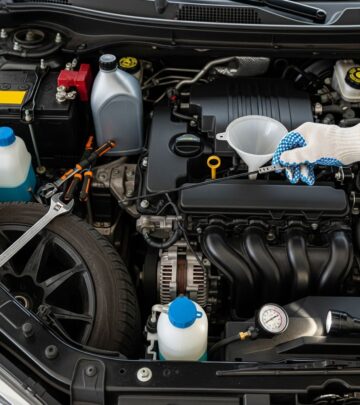
One of the most persistent beliefs is that all engines demand oil changes every 3,000 miles. This stems from the era of conventional oils in high-stress conditions, but it doesn’t apply universally today.3
Modern synthetic oils and improved engine designs extend intervals significantly. A survey by AAA revealed 45% of drivers still adhere to this rigid schedule, often prematurely replacing perfectly good oil.3 The truth: follow your vehicle’s recommended schedule, which might range from 5,000 to 10,000 miles or more, depending on oil type and driving habits.
- Severe conditions like frequent short trips or dusty roads may shorten intervals.
- Normal driving allows longer cycles, verified by the oil life monitor in many cars.
- Benefits of compliance: Reduced waste, lower costs, and less environmental impact.
Regularly check oil levels monthly, but trust the dipstick and dashboard indicators over calendar mileage.
Myth 2: Idling Warms the Engine Best in Cold Weather
Drivers in chilly climates often let engines idle for minutes before driving, believing it protects components. This practice dates back to carbureted engines that needed time to mix fuel and air properly.27
In fuel-injected modern vehicles, idling is inefficient and potentially harmful. It causes incomplete combustion, leading to carbon buildup, and wastes fuel without adequately warming the engine or oil. Driving gently at low speeds circulates fluids faster and more evenly.
| Myth | Reality | Why It Matters |
|---|---|---|
| Idle 5-10 minutes | Drive immediately, vary speeds | Saves fuel, reduces emissions |
| Protects engine | May cause buildup | Prevents long-term damage |
Experts recommend starting and driving within 30 seconds in cold weather, allowing the engine to reach operating temperature through use.
Myth 3: Flush Transmission and Coolant Fluids Routinely
Advice to flush transmission fluid every 30,000-50,000 miles or coolant regularly persists, but many modern systems are “sealed for life.”12 Flushing these can introduce contaminants or dislodge debris, causing issues in high-mileage vehicles.
Consult your manual: some continuously variable transmissions (CVTs) never need service, while others specify inspections only. Coolant in long-life formulations lasts 100,000+ miles. Unnecessary flushes cost hundreds unnecessarily.
- Inspect for leaks or discoloration during routine services.
- Replace only if tests show degradation.
- Avoid DIY flushes without proper equipment.
Myth 4: Replace All Four Tires Simultaneously
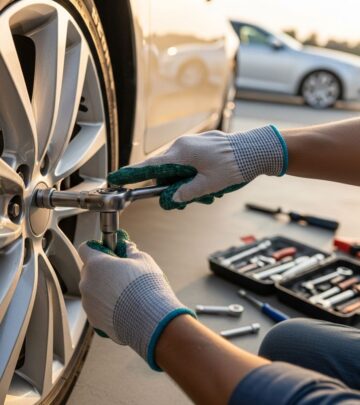
When one tire wears out, shops often push replacing all four for balance and safety. While ideal for performance cars, it’s not always necessary.2
For standard vehicles, replacing in pairs (front or rear) maintains adequate handling if treads differ by less than 2/32 inch. Always match size, type, and brand on an axle. Rotate tires regularly to even wear.
Pro tip: Use a tread depth gauge monthly. Federal standards require replacement at 2/32 inch for safety.
Myth 5: Car Batteries Last Exactly Five Years
Many expect batteries to fail precisely at five years, but lifespan varies from 3-5 years based on climate, usage, and quality.3 Hot weather accelerates degradation, while garage storage extends life.
AAA data shows 42% overestimate duration. Test annually: load testers at auto parts stores reveal health quickly. Symptoms like slow cranking signal replacement time.
Myth 6: Fuel Additives Boost Engine Performance Always
Bottled additives promise cleaner injectors and better mileage, but since 1995, U.S. gasoline includes mandated detergents.2 Routine use offers minimal benefits for most drivers.
Reserve additives for diagnosed issues, like after poor-quality fuel. Premium gas provides extra detergents for high-performance engines.
Myth 7: Dish Soap Cleans Cars Safely
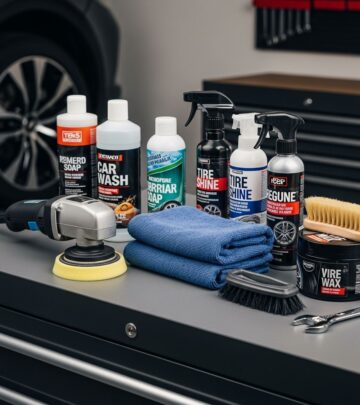
Household dish soap cuts grease effectively on dishes, tempting use on vehicles. Its high pH strips protective wax, exposing paint to UV damage and corrosion.2
Opt for pH-neutral car shampoos that lift dirt without harming clear coats. Wash bi-weekly with the two-bucket method: one for soap, one for rinsing.
Myth 8: Frequent Tune-Ups Are Essential
Pre-1990s cars needed distributor points and carburetor adjustments regularly. Today’s electronic ignition and fuel systems self-tune via onboard computers.2
Routine tune-ups are obsolete; focus on 50,000-mile inspections for sensors and plugs. Use OBD-II scanners for check-engine lights.
Myth 9: Dealer-Only Service Preserves Warranty
Fear of voiding warranties keeps owners at dealerships. The Magnuson-Moss Warranty Act protects choices: any qualified shop suffices with records.3
Retain receipts and service logs. Independent shops often cost less for identical work.
Myth 10: Skip Short Drives After Jump-Starts
A quick loop post-jump-start seems sufficient, but modern electronics demand 20+ minutes at highway speeds to recharge.2 Short drives strain alternators.
If it won’t hold charge, test the battery and charging system professionally.
Essential Maintenance Checklist
Armed with facts, prioritize these evidence-based practices:
- Monthly: Tires, oil level, belts, battery terminals.
- Quarterly: Full fluid check, wiper blades.
- Annually: Brake inspection, air filter, cabin filter.
- Milestone-based: Per manual for belts, fluids, spark plugs.
Track via apps or logs for warranty compliance.
Frequently Asked Questions
How often should I rotate tires?
Every 5,000-8,000 miles or with oil changes to ensure even wear and extend life.
Does synthetic oil void warranties?
No, if it meets manufacturer specs (check API rating).
Can I ignore dashboard warnings?
Never; they indicate monitored systems needing attention.
What’s the best way to store a car long-term?
Disconnect battery, stabilize fuel, elevate on stands, cover.
Are DIY oil changes worthwhile?
Yes for simple tasks, but dispose properly and follow torque specs.
Long-Term Benefits of Myth-Free Maintenance
Adopting accurate practices extends vehicle life beyond 150,000 miles, cuts repair costs, and boosts safety.1 Proactive owners avoid roadside emergencies and resale value dips.
Partner with trusted technicians who explain recommendations. Questions empower better decisions.
References
- Six common myths and misconceptions about auto maintenance — BCAA. 2023. https://www.bcaa.com/blog/automotive/myths-and-misconceptions-about-auto-maintenance
- Car Maintenance Myths Debunked — Sun Auto Service. 2023. https://www.sunautoservice.com/blog/car-maintenance-myths
- Debunking Common Myths about Car Maintenance — AAA Automotive. 2023. https://www.aaa.com/autorepair/articles/debunking-maintenance-myths
Similar Articles








Read full bio of Sneha Tete