Car Buying Scams: 5 Common Scams To Avoid
Stay vigilant and protect your wallet from the most common car buying scams with proven avoidance strategies.
Buying a car, especially a used one, can be exciting but fraught with risks. Scammers exploit eager buyers with deceptive tactics that cost Americans billions annually. Common schemes include curbstoning, odometer tampering, title washing, VIN cloning, and suspiciously low prices. By understanding these scams and following proven prevention steps—like vehicle history checks and professional inspections—you can safeguard your purchase. This guide covers the most prevalent car buying scams, red flags, avoidance strategies, and quick tips, drawing from authoritative sources like the FTC, Experian, and NHTSA.
1. Curbstoning
Curbstoning occurs when unlicensed dealers pose as private sellers to offload defective vehicles, bypassing consumer protections like lemon laws. These scammers meet buyers in residential areas or empty lots to mimic a private sale, avoiding dealership regulations.
The danger: You buy a lemon without recourse, facing costly repairs or safety issues. Private sales lack the warranties and disclosures required at licensed lots.
- Red flags: Seller insists on meeting away from a dealership; vague ownership history; reluctance to provide dealer license.
- How to avoid: Verify the seller’s license via your state’s Department of Licensing website. Confirm the title matches the seller’s name. Only buy from reputable dealerships when possible, and always request the VIN for a history report from Carfax or AutoCheck.
2. Title Washing
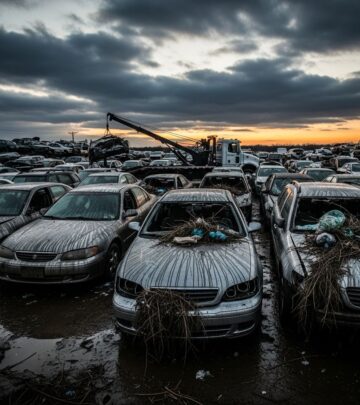
Title washing involves scammers altering or re-registering a vehicle’s title to hide issues like flood damage, salvage status, or liens. They may transport the car across state lines to exploit differing title branding rules, selling it as ‘clean’ when it’s not.
Buyers risk purchasing a unsafe, overvalued wreck. Insurance companies often total vehicles for good reason—structural damage compromises reliability.
- Red flags: Title from another state with lax rules; no accident history despite low price; seller dodges history questions.
- How to avoid: Run a vehicle history report using the VIN (found on the dashboard or door jamb). Contact your insurer with the VIN to check records. Insist on full disclosure and consider a pre-purchase inspection.
3. Odometer Rollback (Clocking)
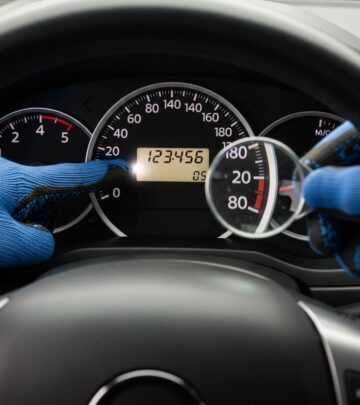
Odometer fraud, or ‘clocking,’ sees scammers tamper with the mileage to make high-mileage cars appear nearly new. This deceptive practice inflates resale value dramatically.
Consequences include buying a worn-out engine disguised as low-mileage, leading to premature breakdowns and repossession risks if discovered.
- Red flags: Mileage mismatches service records; pristine interior but worn pedals/brakes; tires look new on a ‘high-mile’ car.
- How to avoid: Compare odometer to title and service history. Check wear on pedals, seats, and tires—cars under 20,000 miles should have original tires. Use VIN-based reports from NHTSA or NICB.
4. VIN Cloning
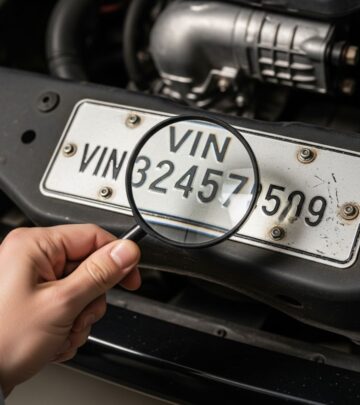
VIN cloning duplicates the identification number from a clean, low-mileage car onto a stolen or damaged one. Thieves use this to sell hot vehicles or evade recovery.
Victims may have their car repossessed post-purchase, losing money and the vehicle.
- Red flags: VINs don’t match across locations (dashboard vs. door); seller avoids VIN checks; unusually cheap stolen-popular model.
- How to avoid: Cross-check VINs on windshield, door, engine, and title. Verify with local DMV or Secretary of State. Use NICB’s VINCheck tool.
5. Lowballing (Too-Good-to-Be-True Deals)
Lowballing lures buyers with prices far below market value, often hiding major defects or leading to payment scams.
- Red flags: Price defies Kelley Blue Book; urgent ‘other buyers’ pressure; odd payment demands like wire transfers or gift cards.
- How to avoid: Research fair market value via Kelley Blue Book, Carvana, or Experian. Test drive thoroughly, hire a mechanic for inspection ($100-$200), and pay with traceable methods like cashier’s checks.
Other Common Car Buying Scams
Beyond the top five, watch for these tactics:
- Pressure Tactics: Sellers create false urgency or refuse negotiation.
- Fake Documents: Altered titles or seller-provided history reports—always get your own.
- No Test Drive/Inspection: Hesitation signals hidden issues.
- Internet Scams: Fake listings with photoshopped photos; never wire money without seeing the car.
- Sight-Unseen Offers: Buyers promising payment without inspection—common when selling.
Red Flags to Watch For
| Red Flag | Description | Action |
|---|---|---|
| Too-Good-to-Be-True Price | Far below market value | Check KBB/Edmunds; inspect deeply |
| Payment Pressure | Wire transfers, gift cards | Insist on cashier’s check |
| Suspicious Seller | No license, evasive answers | Verify license/title online |
| Mismatched Condition | Photos vs. reality differ | Test drive + mechanic check |
| Document Issues | Altered title, no history | Get independent VIN report |
Quick Tips When Buying a Used Car
The FTC outlines essential steps for safe purchases:
- Research models, costs (insurance, maintenance), and reviews beforehand.
- At dealerships, review the mandatory Buyer’s Guide for warranties and specs.
- Get all promises in writing.
- Meet in person; never buy unseen.
- Use trusted payment: cashier’s check to verified recipient.
Protecting Yourself: Step-by-Step Guide
- Research Seller: Check reviews, ask for references.
- Get Vehicle History: VIN report from Carfax/AutoCheck.
- Inspect Thoroughly: Test drive on varied roads; check tires, fluids, electronics.
- Hire Mechanic: Pre-purchase inspection uncovers hidden defects.
- Verify Title/VIN: Match all numbers; check for liens.
- Negotiate Wisely: Walk away from pressure.
Frequently Asked Questions (FAQs)
What is the most common used car scam?
Curbstoning tops lists, as unlicensed dealers dodge laws to sell lemons.
How do I check a car’s history?
Use the VIN for free tools like NICB VINCheck or paid reports from Carfax. Check NHTSA for recalls.
Is a pre-purchase inspection worth it?
Absolutely—$100-$200 can save thousands by spotting issues.
What payment is safest for private sales?
Cashier’s check to the verified owner; avoid cash or wires.
Can I buy a car online safely?
Only from reputable sites with inspections; see in person first.
Final Thoughts
Armed with knowledge, you can navigate car buying confidently. Prioritize verification, inspections, and patience—rushing leads to regret. Consult FTC resources for latest advice.
References
- 5 common used car scams and how to avoid them — Outlier Media. 2023. https://outliermedia.org/used-car-scams-avoid-buying-tips/
- Spotting Car-Buying Scams: How to Protect Yourself — No Pressure No Hype. 2024. https://nopressurenohype.com/spotting-car-buying-scams/
- 5 Used Car Scams and How to Avoid Them — Experian. 2024-01-15. https://www.experian.com/blogs/ask-experian/used-car-scams/
- Internet Car Buying Scams Factsheet — U.S. Army Benning. 2025-05-09. https://www.benning.army.mil/mcoe/sja/content/pdf/20250509%20Internet%20Car%20Buying%20Scams%20Factsheet.pdf
- How to Protect Yourself from Scams and Fraud When Selling a Car — Autotrader. 2024. https://www.autotrader.com/sell-car/adviser/close-the-deal/fraud-protecting-yourself
- Car Buying Scams — Federal Trade Commission (FTC). 2025. https://consumer.ftc.gov/all-scams/car-buying-scams
- How can I avoid scams when I buy a used vehicle? — Texas Department of Insurance. 2024. https://www.tdi.texas.gov/tips/how-can-I-avoid-scams-when-I-buy-a-used-vehicle.html
Similar Articles








Read full bio of medha deb