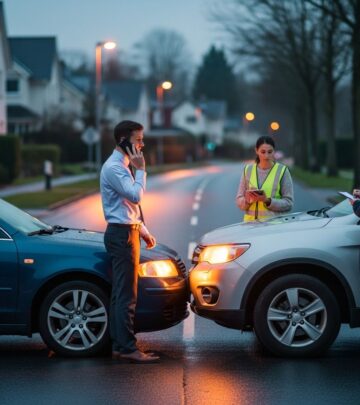
Car Break-In Response Guide
Immediate steps to secure your vehicle, file reports, and protect your identity after a car break-in incident.

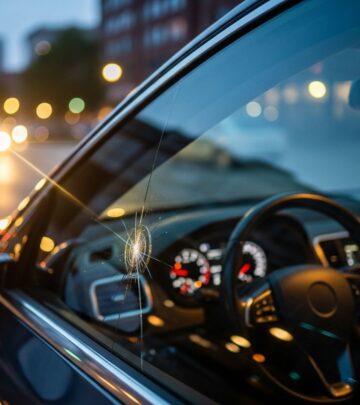
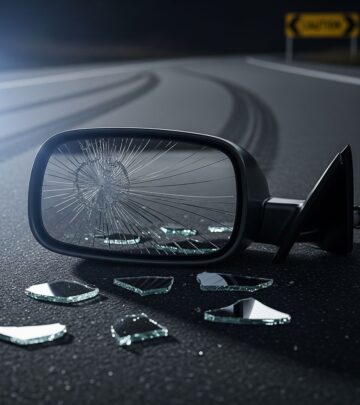
Your vehicle has been targeted by thieves, leaving you with shattered glass, missing items, and potential risks to your personal data. Acting swiftly minimizes losses and secures your safety. This guide outlines a comprehensive plan from the moment you discover the break-in to fortifying your car against future incidents.
Ensuring Personal Safety First
The top priority after spotting a break-in is your well-being. Do not enter the vehicle if you suspect the perpetrator remains nearby or if the scene appears tampered with recently. Scan the surroundings for suspicious activity before approaching.
- Stay at a safe distance and observe from afar.
- Avoid touching anything inside to preserve evidence.
- If in a public area, alert nearby individuals or security personnel.
According to the National Highway Traffic Safety Administration (NHTSA), thieves often target vehicles opportunistically, so retreating to a secure location prevents escalation.
Documenting the Incident Thoroughly
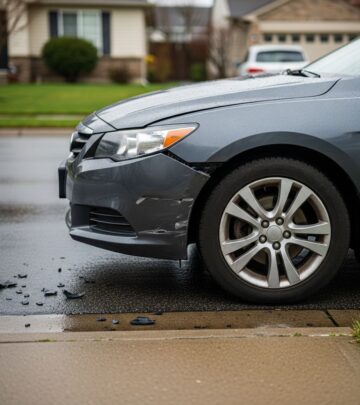
Before handling any items, capture visual proof. Use your phone to photograph the damage from multiple angles, including broken windows, forced entry points, and interior disarray. Note the exact time, location, weather conditions, and any nearby surveillance cameras.
| Element to Document | Why It Matters |
|---|---|
| Exterior damage | Shows entry method for police and insurance |
| Interior state | Identifies stolen items and tampering |
| Serial numbers of missing goods | Aids recovery and claims |
| Witness details | Supports investigation |
This documentation strengthens your police report and insurance claim, as emphasized by vehicle safety experts.
Contacting Law Enforcement Without Delay
Report the crime immediately to local police via non-emergency lines unless there’s imminent danger. Provide your documentation, vehicle details like make, model, VIN, license plate, and a list of stolen items. Request a case number for records.
- Be precise about what was taken, especially documents like registration or insurance cards.
- Ask about filing options if you’re not at the scene.
- Inquire on recovery chances for items like electronics with GPS.
Police reports are crucial for insurance and potential reimbursements, per standard auto safety protocols.
Assessing and Listing Stolen Property
Inventory everything missing or damaged. Common targets include electronics, bags, cash, and personal papers. Create a detailed list with descriptions, values, purchase receipts, and serial numbers where possible.
- Electronics: Phones, laptops, GPS devices.
- Personal items: Wallets, purses, keys.
- Documents: ID, credit cards, vehicle papers.
- Other: Loose change, clothing, tools.
Thieves smash windows for items as trivial as coins, making comprehensive lists vital for claims.
Securing Your Vehicle Promptly
Prevent further theft by making the car undrivable or unappealing. Cover broken windows with plastic sheeting and tape, or use a tarp. If drivable, move to a secure garage; otherwise, arrange towing.
- Disable by removing the battery if needed.
- Install temporary locks on doors.
- Avoid driving with unsafe glass shards.
Quick action deters repeat visits, as opportunistic thieves scout easy targets.
Navigating Insurance Claims Effectively
Contact your auto insurer right away. Comprehensive coverage typically handles break-ins, excluding standard collision. Submit your police report, photos, and inventory.
- Understand deductibles and what they cover.
- Ask about rental car provisions.
- Track claim status diligently.
Insurers like those following GEICO guidelines stress prompt reporting to expedite payouts. Note: Filing may raise premiums, so review policy details.
Protecting Against Identity Theft Risks
Stolen wallets or papers expose you to fraud. Monitor accounts, freeze credit, and notify issuers.
- Cancel compromised cards instantly.
- Place fraud alerts with Equifax, Experian, TransUnion.
- Watch statements for 6-12 months.
Vehicle documents in cars heighten risks, making vigilance essential post-break-in.
Addressing Immediate Practical Needs
Broken windows impair driving; schedule professional repair within 24-48 hours. Clean glass shards thoroughly. Replace locks if keys were taken.
- Seek mobile auto glass services.
- Budget $200-500 for typical repairs.
- Update spare keys securely.
Safe operation restores normalcy quickly.
Implementing Strong Prevention Measures
Post-incident, upgrade defenses. Prevention slashes repeat risks.
- Never leave valuables visible; trunk them pre-parking.
- Lock doors, close windows always.
- Park in lit, populated spots.
Visible and Tech Deterrents
Steering wheel locks like The Club signal protection. Alarms with lights ward off smash-and-grabs. Window etching with VIN deters part thieves.
Smart Habits for Daily Use
Hide chargers to avoid implying hidden devices. Avoid high-crime routes. Use motion lights at home.
Advanced Security Upgrades
Invest in immobilizers, GPS trackers, or recovery systems. For certain models, free anti-theft upgrades exist. These recover vehicles faster, per NHTSA.
Understanding Local Crime Patterns
Research area stats via police sites. Adjust parking in high-risk zones. Community tips from departments like San Jose PD highlight visibility’s role.
FAQs
What if no items were stolen?
Report anyway; damage qualifies for claims, and it aids police patterns.
Does insurance cover window repairs?
Yes, under comprehensive; deductibles apply.
How long to monitor for ID theft?
At least 12 months; use alerts.
Are car alarms effective?
Limited; thieves act in seconds. Pair with other measures.
Can I drive with broken windows?
Not recommended; illegal in many areas for safety.
Long-Term Recovery and Mindset
Break-ins unsettle, but structured response rebuilds security. Review habits annually. Join neighborhood watches for alerts. With diligence, risks drop significantly.
References
- Prevent Car Break-ins: Protect Your Valuables and Vehicle — Nationwide. 2023. https://www.nationwide.com/lc/resources/auto-insurance/articles/smash-and-grab
- How to Keep Your Car From Getting Stolen — Consumer Reports. 2023-10-01. https://www.consumerreports.org/money/theft/how-to-keep-your-car-from-getting-stolen-car-theft-a2434454434/
- Car Break-In Prevention Tips — City of Scappoose Oregon. 2024. https://www.scappoose.gov/police/page/car-break-prevention-tips
- How to Prevent Car Theft in 12 Steps — GEICO. 2024. https://www.geico.com/information/safety/auto/preventing-auto-theft/
- Auto Burglary Prevention — San Jose Police Department, CA. 2024. https://www.sjpd.org/community/crime-prevention/prevention-tips/auto-burglary-prevention
- Vehicle Theft Prevention — NHTSA. 2023. https://www.nhtsa.gov/vehicle-safety/vehicle-theft-prevention
Similar Articles








Read full bio of Sneha Tete